Price based on lowest available cruise only fare for double occupancy. Subject to change at any time.
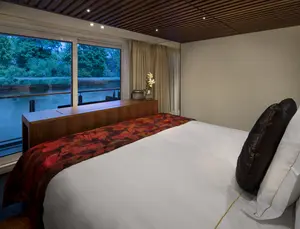
Named for Co-Founder Rudi Schreiner, AmaRudi debuts in 2027 as a next-generation Danube ship, combining spacious suites, farm-to-ship cuisine, and welcoming spaces for relaxation and discovery.
Cruise ID: 74366
Gratuities are left to your discretion, but we provide general itinerary and destination-specific guidelines in the My Cruise section under “Prepare Your Cruise” within “Life On Board.” Guests may also choose to pre-pay gratuities for their river cruise and certain pre- or post-cruise land packages. For current rates or details, please contact your travel advisor or the AmaWaterways Reservations team.
| Date | Time | Price * | Booking |
|---|---|---|---|
| 11 April 2027 | €5,730 | Call us to book | |
| 02 May 2027 | €5,460 | Call us to book | |
| 09 May 2027 | €6,423 | Call us to book | |
| 30 May 2027 | €8,061 | Call us to book | |
| 06 June 2027 | €5,159 | Call us to book | |
| 26 September 2027 | €6,581 | Call us to book | |
| 03 October 2027 | €7,302 | Call us to book |
* Price based on lowest available cruise only fare for double occupancy. Subject to change at any time.
Stateroom Features
Stateroom Features
Stateroom Features
Stateroom Features
Stateroom Features
Stateroom Features
Stateroom Features
Stateroom Features
Day 1 Giurgiu, Romania
Day 2 Ruse, Bulgaria
Day 3 Vidin, Bulgaria
Day 4 Iron Gates, Romania
Day 5 Belgrade, Serbia
Day 6 Vukovar, Croatia
Day 7 Mohács, Hungary
Day 8 Budapest, Hungary
Budapest is the capital city of Hungary and is located over the River Danube. It is one of the largest cities in the European Union and much of its historical sites have been awarded UNESCO World Heritage Site status. Originally formed in 1873 by the joining of Buda, Pest and Old Buda, the city suffered heavy destruction during World War II and was rebuilt into the country's political, cultural and commercial hub it is now. Bridges and railways connect the city over the Danube, including the six small islands situated on the river themselves. Some of Budapest's UNESCO World Heritage sites include Chain Bridge, Budapest Parliament, the striking Matthias church and the iconic Royal Palace visible from every location within Budapest City. The Castle Hills district architecture represents over a thousand years of the city's history with examples of Roman, Turkish, Gothic, Renaissance and Art Nouveau styles. Budapest also has a rich Jewish heritage and is home to the largest synagogue in Europe. The city has an abundance of restaurants offering international cuisines, as well as traditional Hungarian dishes ,including goulash soup, a very popular lunchtime dish. Hungarians enjoy their coffee so a traditional cafe is never hard to find.
Day 1 Budapest, Hungary
Budapest is the capital city of Hungary and is located over the River Danube. It is one of the largest cities in the European Union and much of its historical sites have been awarded UNESCO World Heritage Site status. Originally formed in 1873 by the joining of Buda, Pest and Old Buda, the city suffered heavy destruction during World War II and was rebuilt into the country's political, cultural and commercial hub it is now. Bridges and railways connect the city over the Danube, including the six small islands situated on the river themselves. Some of Budapest's UNESCO World Heritage sites include Chain Bridge, Budapest Parliament, the striking Matthias church and the iconic Royal Palace visible from every location within Budapest City. The Castle Hills district architecture represents over a thousand years of the city's history with examples of Roman, Turkish, Gothic, Renaissance and Art Nouveau styles. Budapest also has a rich Jewish heritage and is home to the largest synagogue in Europe. The city has an abundance of restaurants offering international cuisines, as well as traditional Hungarian dishes ,including goulash soup, a very popular lunchtime dish. Hungarians enjoy their coffee so a traditional cafe is never hard to find.
Day 2 Mohács, Hungary
Day 3 Ilok, Croatia
Day 4 Belgrade, Serbia
Day 5 Iron Gates, Romania
Day 6 Vidin, Bulgaria
Day 7 Ruse, Bulgaria
Day 8 Giurgiu, Romania
Day 1 Giurgiu, Romania
Day 2 Ruse, Bulgaria
Day 3 Vidin, Bulgaria
Day 4 Iron Gates, Romania
Day 5 Belgrade, Serbia
Day 6 Vukovar, Croatia
Day 7 Mohács, Hungary
Day 8 Budapest, Hungary
Budapest is the capital city of Hungary and is located over the River Danube. It is one of the largest cities in the European Union and much of its historical sites have been awarded UNESCO World Heritage Site status. Originally formed in 1873 by the joining of Buda, Pest and Old Buda, the city suffered heavy destruction during World War II and was rebuilt into the country's political, cultural and commercial hub it is now. Bridges and railways connect the city over the Danube, including the six small islands situated on the river themselves. Some of Budapest's UNESCO World Heritage sites include Chain Bridge, Budapest Parliament, the striking Matthias church and the iconic Royal Palace visible from every location within Budapest City. The Castle Hills district architecture represents over a thousand years of the city's history with examples of Roman, Turkish, Gothic, Renaissance and Art Nouveau styles. Budapest also has a rich Jewish heritage and is home to the largest synagogue in Europe. The city has an abundance of restaurants offering international cuisines, as well as traditional Hungarian dishes ,including goulash soup, a very popular lunchtime dish. Hungarians enjoy their coffee so a traditional cafe is never hard to find.
Day 1 Budapest, Hungary
Budapest is the capital city of Hungary and is located over the River Danube. It is one of the largest cities in the European Union and much of its historical sites have been awarded UNESCO World Heritage Site status. Originally formed in 1873 by the joining of Buda, Pest and Old Buda, the city suffered heavy destruction during World War II and was rebuilt into the country's political, cultural and commercial hub it is now. Bridges and railways connect the city over the Danube, including the six small islands situated on the river themselves. Some of Budapest's UNESCO World Heritage sites include Chain Bridge, Budapest Parliament, the striking Matthias church and the iconic Royal Palace visible from every location within Budapest City. The Castle Hills district architecture represents over a thousand years of the city's history with examples of Roman, Turkish, Gothic, Renaissance and Art Nouveau styles. Budapest also has a rich Jewish heritage and is home to the largest synagogue in Europe. The city has an abundance of restaurants offering international cuisines, as well as traditional Hungarian dishes ,including goulash soup, a very popular lunchtime dish. Hungarians enjoy their coffee so a traditional cafe is never hard to find.
Day 2 Mohács, Hungary
Day 3 Ilok, Croatia
Day 4 Belgrade, Serbia
Day 5 Iron Gates, Romania
Day 6 Vidin, Bulgaria
Day 7 Ruse, Bulgaria
Day 8 Giurgiu, Romania
Day 1 Giurgiu, Romania
Day 2 Ruse, Bulgaria
Day 3 Vidin, Bulgaria
Day 4 Iron Gates, Romania
Day 5 Belgrade, Serbia
Day 6 Vukovar, Croatia
Day 7 Mohács, Hungary
Day 8 Budapest, Hungary
Budapest is the capital city of Hungary and is located over the River Danube. It is one of the largest cities in the European Union and much of its historical sites have been awarded UNESCO World Heritage Site status. Originally formed in 1873 by the joining of Buda, Pest and Old Buda, the city suffered heavy destruction during World War II and was rebuilt into the country's political, cultural and commercial hub it is now. Bridges and railways connect the city over the Danube, including the six small islands situated on the river themselves. Some of Budapest's UNESCO World Heritage sites include Chain Bridge, Budapest Parliament, the striking Matthias church and the iconic Royal Palace visible from every location within Budapest City. The Castle Hills district architecture represents over a thousand years of the city's history with examples of Roman, Turkish, Gothic, Renaissance and Art Nouveau styles. Budapest also has a rich Jewish heritage and is home to the largest synagogue in Europe. The city has an abundance of restaurants offering international cuisines, as well as traditional Hungarian dishes ,including goulash soup, a very popular lunchtime dish. Hungarians enjoy their coffee so a traditional cafe is never hard to find.
Day 1 Budapest, Hungary
Budapest is the capital city of Hungary and is located over the River Danube. It is one of the largest cities in the European Union and much of its historical sites have been awarded UNESCO World Heritage Site status. Originally formed in 1873 by the joining of Buda, Pest and Old Buda, the city suffered heavy destruction during World War II and was rebuilt into the country's political, cultural and commercial hub it is now. Bridges and railways connect the city over the Danube, including the six small islands situated on the river themselves. Some of Budapest's UNESCO World Heritage sites include Chain Bridge, Budapest Parliament, the striking Matthias church and the iconic Royal Palace visible from every location within Budapest City. The Castle Hills district architecture represents over a thousand years of the city's history with examples of Roman, Turkish, Gothic, Renaissance and Art Nouveau styles. Budapest also has a rich Jewish heritage and is home to the largest synagogue in Europe. The city has an abundance of restaurants offering international cuisines, as well as traditional Hungarian dishes ,including goulash soup, a very popular lunchtime dish. Hungarians enjoy their coffee so a traditional cafe is never hard to find.
Day 2 Mohács, Hungary
Day 3 Ilok, Croatia
Day 4 Belgrade, Serbia
Day 5 Iron Gates, Romania
Day 6 Vidin, Bulgaria
Day 7 Ruse, Bulgaria
Day 8 Giurgiu, Romania
Day 1 Giurgiu, Romania
Day 2 Ruse, Bulgaria
Day 3 Vidin, Bulgaria
Day 4 Iron Gates, Romania
Day 5 Belgrade, Serbia
Day 6 Vukovar, Croatia
Day 7 Mohács, Hungary
Day 8 Budapest, Hungary
Budapest is the capital city of Hungary and is located over the River Danube. It is one of the largest cities in the European Union and much of its historical sites have been awarded UNESCO World Heritage Site status. Originally formed in 1873 by the joining of Buda, Pest and Old Buda, the city suffered heavy destruction during World War II and was rebuilt into the country's political, cultural and commercial hub it is now. Bridges and railways connect the city over the Danube, including the six small islands situated on the river themselves. Some of Budapest's UNESCO World Heritage sites include Chain Bridge, Budapest Parliament, the striking Matthias church and the iconic Royal Palace visible from every location within Budapest City. The Castle Hills district architecture represents over a thousand years of the city's history with examples of Roman, Turkish, Gothic, Renaissance and Art Nouveau styles. Budapest also has a rich Jewish heritage and is home to the largest synagogue in Europe. The city has an abundance of restaurants offering international cuisines, as well as traditional Hungarian dishes ,including goulash soup, a very popular lunchtime dish. Hungarians enjoy their coffee so a traditional cafe is never hard to find.
The Department of Foreign Affairs has up-to-date advice for Irish citizens on staying safe and healthy abroad. For more security, local laws, health, passport and visa information see https://www.ireland.ie/en/dfa/overseas-travel/ and follow dfatravelwise