Sunway Logo

Your Cookie & Data Settings

We use cookies to help you navigate efficiently and perform certain functions.

The cookies that are categorized as "Necessary" are stored on your browser as they are essential for enabling the basic functionalities of the site.

We also use third-party cookies that help us analyze how you use this website, store your preferences, and provide the content and advertisements that are relevant to you. These cookies will only be stored in your browser with your prior consent.

You can choose to enable or disable some or all of these cookies, but disabling some of them may affect your browsing experience.

Necessary Cookies Always Active
Advertising User Data
Advertising Personalisation
Advertising Storage
Analytics Storage


Mediterranean: Granada & Cartagena/Norwegian Dawn
Cruise Holidays   >   Cruise Companies   >   Norwegian Cruise Line   >   Norwegian Dawn   >   Mediterranean: Granada & Cartagena

Norwegian Dawn

Mediterranean: Granada & Cartagena - 7 night cruise


Cruise only from €1,060

Price based on lowest available cruise only fare for double occupancy. Subject to change at any time.


Description

Highlights

Gratuities

Dates and Prices

Cabins

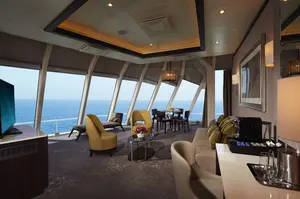
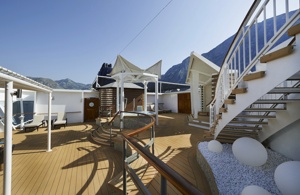
Norwegian Dawn® is a mid-sized ship offering a laid-back and intimate cruising experience. Enjoy every meal with our complimentary main dining rooms and wide array of cuisine options. Dine at guest-favourite Los Lobos Cantina, a sophisticated Mexican restaurant celebrating traditional flavours with a modern twist. Drop by The Cellars, a Michael Mondavi Family Wine Bar for a wine tasting. Explore castles, cathedrals, romantic islands, and sophisticated cities on Mediterranean and Europe cruises. Or experience unique and immersive itineraries on an Extraordinary Journey. Unwind with pleasure when you relax in the luxurious Mandara Spa®. Or take Lady Luck for a spin in the expansive ship Casino. Looking to get some energy out? From swimming pools to sports courts to a jogging track, she's ready to play. And with a wide range of spacious accommodations, this ship features staterooms to fit every family size and budget. Let Norwegian Dawn whisk you away to some of the dreamiest destinations around the world.

Cruise ID: 53950

Starlink provides fast Internet service at sea and is now available on Norwegian Dawn. Using advanced low earth orbit satellites, SpaceX's Starlink delivers industry leading broadband internet connectivity, which will improve the capacity, speed, and reliability of Internet on board.

Guests should not feel obliged to offer a gratuity for good service. However, all of our staff are encouraged to "go the extra mile", and so they are permitted to accept cash gratuities entirely at the discretion of our guests who wish to acknowledge particular staff members for exceptional or outstanding service. In other words, there is genuinely no need to tip but you should feel free to do so if you have a desire to acknowledge particular individuals.

Date Time Price * Booking
16 May 2027 16:00 €1,151 Call us to book
30 May 2027 16:00 €1,169 Call us to book
13 June 2027 16:00 €1,217 Call us to book
27 June 2027 16:00 €1,229 Call us to book
11 July 2027 16:00 €1,229 Call us to book
25 July 2027 16:00 €1,277 Call us to book
08 August 2027 16:00 €1,229 Call us to book
22 August 2027 16:00 €1,187 Call us to book
05 September 2027 16:00 €1,108 Call us to book
19 September 2027 16:00 €1,090 Call us to book
03 October 2027 16:00 €1,060 Call us to book

* Price based on lowest available cruise only fare for double occupancy. Subject to change at any time.

Cabins on Norwegian Dawn

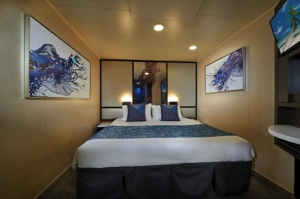
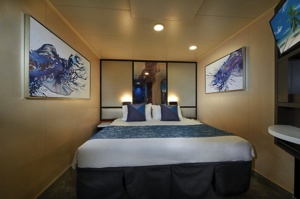
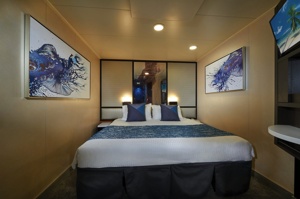
Solo Inside
1

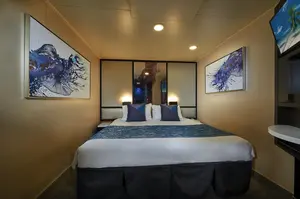
These staterooms include a queen-size bed and the same amenities as other inside staterooms. Staterooms are priced exclusively for solo travellers.

AMENITIES

  • 24-hr Room Service

Facilities

  • Queen or Twin Configuration
  • Shower
  • Room Service Available
  • TV
  • Safe
  • Hair Dryer
  • Desk
  • Toiletries Provided
  • Wi-Fi (Additional Cost)
  • Telephone
  • Air Conditioning

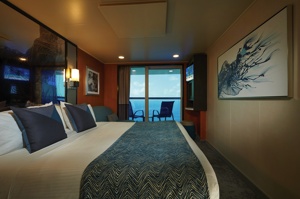
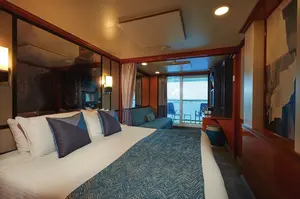
Solo Balcony
1

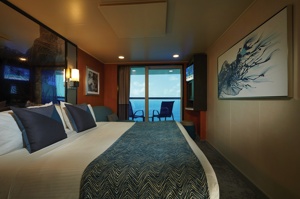
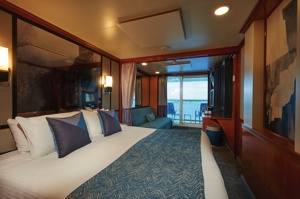
These spacious staterooms include a queen-size bed, sitting area and floor-to-ceiling glass doors that open onto a private balcony. Staterooms are priced exclusively for solo travellers.

AMENITIES

  • Private Balcony
  • Sitting Area
  • Room Service Available 24-hours
  • Hot Breakfast Menu
  • Continental Breakfast Menu
  • Coffee Maker

Facilities

  • Bath
  • Queen or Twin Configuration
  • Lounge Area
  • Shower
  • Toiletries Provided
  • Room Service Available
  • TV
  • Safe
  • Hair Dryer
  • Telephone
  • Desk
  • Wi-Fi (Additional Cost)
  • Air Conditioning
  • Coffee Machine

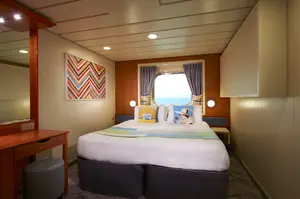
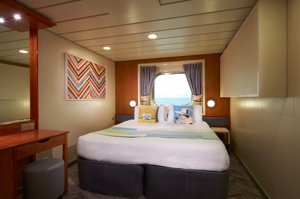
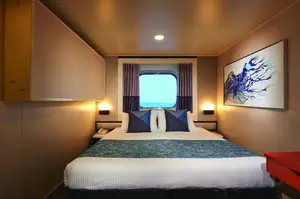
Solo Oceanview
1

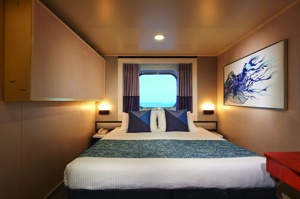
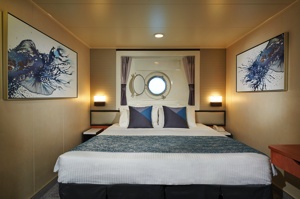
These staterooms feature a large round window and a queen-size bed. Staterooms are priced exclusively for solo travellers.

AMENITIES

  • 24-hr Room Service

Facilities

  • Queen or Twin Configuration
  • Shower
  • Toiletries Provided
  • Room Service Available
  • TV
  • Safe
  • Hair Dryer
  • Telephone
  • Desk
  • Wi-Fi (Additional Cost)
  • Air Conditioning

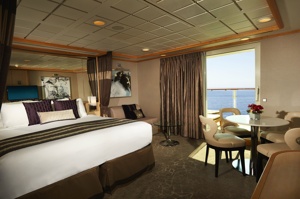
Aft-Facing Penthouse with Balcony
1-3

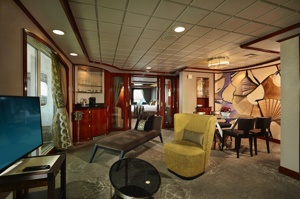
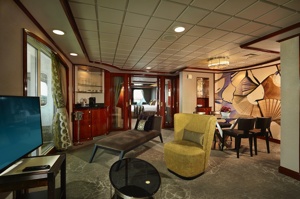
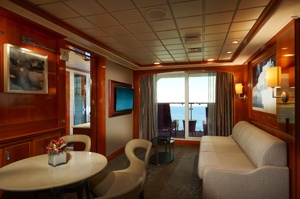
These stylish Penthouses include a bedroom with a queen-size bed, single sofa bed, luxury bath with a shower and bathtub, living and dining area, and unparalleled views from the aft-facing balcony. Plus you'll be spoiled with butler and concierge service.

AMENITIES

  • 24-Hour Butler
  • Concierge Service
  • Personal Escort On and Off the Ship
  • Cocktail Party with Ship's Officers
  • Fine Bed Linens & Pillow-top Mattress
  • Plush Bathrobe, Slippers & Products
  • Sparkling Wine & Fruit on Embarkation
  • Suite Room Service Available 24-hours
  • Invitations to Exclusive Breakfast/Lunch
  • Invitations to Exclusive Cocktail Parties
  • Delicious Treats Delivered Nightly
  • Priority Specialty Dining Reservations

Facilities

  • Queen or Twin Configuration
  • Lounge Area
  • Dining Area
  • Shower
  • Butler Service
  • TV
  • Safe
  • Hair Dryer
  • Telephone
  • Desk
  • Bath
  • Sofa Bed
  • Toiletries Provided
  • Room Service Available
  • Suite Benefits
  • Wi-Fi (Additional Cost)
  • Air Conditioning

Sail Away Balcony
1-3

A Sailaway Balcony stateroom guarantees a Balcony stateroom or better! Please note that the view from your balcony may be fully obstructed or partially obstructed. Your stateroom may be on any deck and assigned up to one day prior to embarkation.

AMENITIES

  • Private Balcony
  • Sitting Area
  • Room Service Available 24-hours
  • Hot Breakfast Menu
  • Continental Breakfast Menu
  • Coffee Maker

Facilities

  • Queen or Twin Configuration
  • Shower
  • TV
  • Safe
  • Hair Dryer
  • Telephone
  • Desk
  • Sofa Bed
  • Lounge Area
  • Toiletries Provided
  • Room Service Available
  • Wi-Fi (Additional Cost)
  • Air Conditioning
  • Coffee Machine

Aft-Facing Balcony
1-3

With room for up to three guests, these staterooms have two lower beds that convert into a queen-size bed and a single sofa bed to accommodate one more. Along with a sitting area, floor-to-ceiling glass doors and an aft-facing private balcony with a spectacular view.

AMENITIES

  • Private Balcony
  • Sitting Area
  • Room Service Available 24-hours
  • Hot Breakfast Menu
  • Continental Breakfast Menu
  • Coffee Maker

Facilities

  • Queen or Twin Configuration
  • Sofa Bed
  • Shower
  • Room Service Available
  • TV
  • Safe
  • Hair Dryer
  • Telephone
  • Desk
  • Lounge Area
  • Toiletries Provided
  • Wi-Fi (Additional Cost)
  • Air Conditioning
  • Coffee Machine

Forward-Facing Penthouse with Large Balcony
1-3

Step out onto your large, forward-facing balcony and enjoy the fresh air and magnificent views. Back inside, these Penthouses feature a queen-size bed, luxury bath with shower and bathtub, and a living and dining area. Plus concierge and butler service to fulfil all your wishes. Some can connect to a Deluxe Owner's Suite or Owner's Suite. Sleeps up to three.

AMENITIES

  • 24-Hour Butler
  • Concierge Service
  • Personal Escort On and Off the Ship
  • Cocktail Party with Ship's Officers
  • Fine Bed Linens & Pillow-top Mattress
  • Plush Bathrobe, Slippers & Products
  • Sparkling Wine & Fruit on Embarkation
  • Suite Room Service Available 24-hours
  • Invitations to Exclusive Breakfast/Lunch
  • Invitations to Exclusive Cocktail Parties
  • Delicious Treats Delivered Nightly
  • Priority Specialty Dining Reservations

Facilities

  • Queen or Twin Configuration
  • Lounge Area
  • Dining Area
  • Bath
  • Butler Service
  • TV
  • Safe
  • Hair Dryer
  • Telephone
  • Desk
  • Sofa Bed
  • Shower
  • Toiletries Provided
  • Room Service Available
  • Wi-Fi (Additional Cost)
  • Air Conditioning

Aft-Facing Penthouse with Large Balcony
1-3

You will have the perfect romantic getaway in these Penthouses that sleep up to three guests. Includes a bedroom with queen-size bed and luxury bath with shower and bathtub, in addition to the living area and dining area. Because these are aft-facing, they offer an amazing view from the large balcony. Includes butler and concierge service.

AMENITIES

  • 24-Hour Butler
  • Concierge Service
  • Personal Escort On and Off the Ship
  • Cocktail Party with Ship's Officers
  • Fine Bed Linens & Pillow-top Mattress
  • Plush Bathrobe, Slippers & Products
  • Sparkling Wine & Fruit on Embarkation
  • Suite Room Service Available 24-hours
  • Invitations to Exclusive Breakfast/Lunch
  • Invitations to Exclusive Cocktail Parties
  • Delicious Treats Delivered Nightly
  • Priority Specialty Dining Reservations

Facilities

  • Queen or Twin Configuration
  • Lounge Area
  • Dining Area
  • Shower
  • Butler Service
  • TV
  • Safe
  • Telephone
  • Desk
  • Bath
  • Sofa Bed
  • Toiletries Provided
  • Room Service Available
  • Suite Benefits
  • Wi-Fi (Additional Cost)
  • Hair Dryer
  • Air Conditioning

Forward-Facing Deluxe Penthouse with Large Balcony
1-4

Be the first to take in the spectacular views from the large, forward-facing balcony of these stylish Penthouses. Accommodates up to four guests and includes a queen-size bed, luxury bath with shower and bathtub, plus a comfortable living and dining area to relax in or enjoy a meal arranged by your butler.

AMENITIES

  • 24-Hour Butler
  • Concierge Service
  • Personal Escort On and Off the Ship
  • Cocktail Party with Ship's Officers
  • Fine Bed Linens & Pillow-top Mattress
  • Plush Bathrobe, Slippers & Products
  • Sparkling Wine & Fruit on Embarkation
  • Suite Room Service Available 24-hours
  • Invitations to Exclusive Breakfast/Lunch
  • Invitations to Exclusive Cocktail Parties
  • Delicious Treats Delivered Nightly
  • Priority Specialty Dining Reservations

Facilities

  • Queen or Twin Configuration
  • Lounge Area
  • Dining Area
  • Shower
  • Butler Service
  • TV
  • Safe
  • Hair Dryer
  • Telephone
  • Bath
  • Sofa Bed
  • Toiletries Provided
  • Room Service Available
  • Suite Benefits
  • Wi-Fi (Additional Cost)
  • Desk
  • Air Conditioning

Sail Away Inside
1-4

A Sail Away Inside stateroom guarantees an Inside stateroom or better! Your stateroom may be on any deck and assigned between time of booking up to one day prior to embarkation.

AMENITIES

  • 24-hr Room Service

Facilities

  • Queen or Twin Configuration
  • Shower
  • TV
  • Safe
  • Hair Dryer
  • Telephone
  • Desk
  • Pullman Bed x2
  • Toiletries Provided
  • Room Service Available
  • Wi-Fi (Additional Cost)
  • Air Conditioning

Owner's Suite with Two Balconies
1-4

The Owner's Suites with Two Balconies are great for up to four guests. They include a living room, dining room and separate bedroom with king-size bed. Along with a mini-bar, luxury bath with whirlpool tub and an amazing double balcony. Includes butler and concierge service, plus these Suites can connect to a Balcony and Penthouse with Large Balcony for even more added luxury and convenience.

AMENITIES

  • 24-Hour Butler
  • Concierge Service
  • Personal Escort On and Off the Ship
  • Cocktail Party with Ship's Officers
  • Fine Bed Linens & Pillow-top Mattress
  • Plush Bathrobe, Slippers & Products
  • Sparkling Wine & Fruit on Embarkation
  • Suite Room Service Available 24-hours
  • Invitations to Exclusive Breakfast/Lunch
  • Invitations to Exclusive Cocktail Parties
  • Delicious Treats Delivered Nightly
  • Priority Specialty Dining Reservations

Facilities

  • King or Twin Configuration
  • Lounge Area
  • Dining Area
  • Shower
  • Butler Service
  • TV
  • Safe
  • Hair Dryer
  • Telephone
  • Desk
  • Sofa Bed
  • Whirlpool Bath
  • Toiletries Provided
  • Room Service Available
  • Suite Benefits
  • Wi-Fi (Additional Cost)
  • Air Conditioning

Sail Away Club Balcony Suite
1-4

A Sail Away Club Balcony Suite stateroom guarantees a Club Balcony Suite stateroom or better! Your stateroom may be on any deck and assigned up to one day prior to embarkation.

AMENITIES

  • Private Balcony
  • Sitting Area
  • Room Service available 24-hours
  • Pre-book Dining/Entertainment Early
  • Fine Bed Linens & Memory Foam Mattress
  • Complimentary Bottle of Sparkling Wine
  • Delicious Treats Delivered to Stateroom
  • Complimentary Laundry or Pressing Service

Facilities

  • Queen or Twin Configuration
  • Lounge Area
  • Shower
  • Bath
  • TV
  • Safe
  • Hair Dryer
  • Telephone
  • Desk
  • Sofa Bed
  • Toiletries Provided
  • Room Service Available
  • Suite Benefits
  • Wi-Fi (Additional Cost)
  • Air Conditioning

Deluxe Owner's Suite with Two Balconies
1-4

What's better than taking in the stunning views from one balcony? Enjoying them from two! These Deluxe Owner's Suites accommodate four guests and include a separate bedroom with king-size bed, luxury bath with whirlpool, guest bath, and a living and dining area. Plus you'll be pampered by butler and concierge service. These suites can connect to a Balcony and a Penthouse with Large Balcony so you can spread out in ultimate comfort.

AMENITIES

  • 24-Hour Butler
  • Concierge Service
  • Personal Escort On and Off the Ship
  • Cocktail Party with Ship's Officers
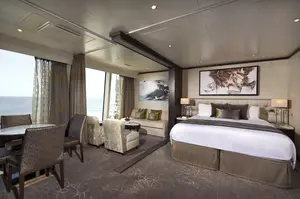
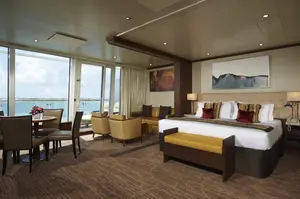
  • Fine Bed Linens & Pillow-top Mattress
  • Plush Bathrobe, Slippers & Products
  • Sparkling Wine & Fruit on Embarkation
  • Suite Room Service Available 24-hours
  • Invitations to Exclusive Breakfast/Lunch
  • Invitations to Exclusive Cocktail Parties
  • Delicious Treats Delivered Nightly
  • Priority Specialty Dining Reservations

Facilities

  • King or Twin Configuration
  • Lounge Area
  • Dining Area
  • Shower
  • Butler Service
  • TV
  • Safe
  • Hair Dryer
  • Telephone
  • Desk
  • Sofa Bed
  • Whirlpool Bath
  • Toiletries Provided
  • Room Service Available
  • Suite Benefits
  • Wi-Fi (Additional Cost)
  • Air Conditioning

Sail Away Oceanview
1-4

A Sailaway Oceanview stateroom guarantees an Oceanview stateroom or better! Please note that the view may be fully obstructed, partially obstructed, porthole or picture window. Your stateroom may be on any deck and assigned up to one day prior to embarkation.

AMENITIES

  • 24-hr Room Service

Facilities

  • Queen or Twin Configuration
  • Shower
  • TV
  • Safe
  • Hair Dryer
  • Telephone
  • Desk
  • Sofa Bed
  • Pullman Bed
  • Lounge Area
  • Toiletries Provided
  • Room Service Available
  • Wi-Fi (Additional Cost)
  • Air Conditioning

Family Inside
1-4

These Inside Staterooms are the most affordable way for the whole family to cruise. With room for up to four, you'll have two lower beds that convert into a queen-size bed and additional bedding to accommodate up to two more guests. Plus you'll have access to all kinds of amenities, like room service and so much more.

AMENITIES

  • 24-hr Room Service

Facilities

  • Queen or Twin Configuration
  • Shower
  • TV
  • Safe
  • Hair Dryer
  • Telephone
  • Desk
  • Toiletries Provided
  • Room Service Available
  • Wi-Fi (Additional Cost)
  • Air Conditioning

Family Oceanview
1-4

These Oceanview Staterooms are perfect for the family. They have room for up to four guests, with two lower beds that convert into a queen-size bed and additional bedding to accommodate two more. You'll also have a big picture window to enjoy the amazing view. Some can connect for added convenience.

AMENITIES

  • 24-hr Room Service

Facilities

  • Queen or Twin Configuration
  • Shower
  • TV
  • Safe
  • Hair Dryer
  • Telephone
  • Desk
  • Sofa Bed
  • Lounge Area
  • Toiletries Provided
  • Room Service Available
  • Wi-Fi (Additional Cost)
  • Air Conditioning

Club Balcony Suite
1-4

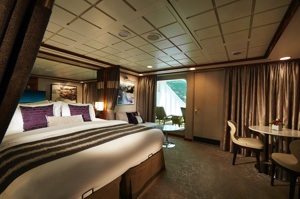
Norwegian Dawn Club Balcony Suites sleep up to four guests and feature two lower beds that convert into a queen-size bed plus additional bedding to sleep two more guests, as well as a sitting area, luxury bath with shower and amazing views from the private balcony.

AMENITIES

  • Private Balcony
  • Sitting Area
  • Room Service available 24-hours
  • Pre-book Dining/Entertainment Early
  • Fine Bed Linens & Memory Foam Mattress
  • Complimentary Bottle of Sparkling Wine
  • Delicious Treats Delivered to Stateroom
  • Complimentary Laundry or Pressing Service

Facilities

  • Queen or Twin Configuration
  • Lounge Area
  • Shower
  • Bath
  • TV
  • Safe
  • Hair Dryer
  • Telephone
  • Desk
  • Sofa Bed
  • Toiletries Provided
  • Room Service Available
  • Suite Benefits
  • Wi-Fi (Additional Cost)
  • Air Conditioning

Oceanview with Picture Window
1-4

With room for up to four guests, these staterooms come with two lower beds that convert into a queen-size bed and additional bedding to accommodate two more guests, as well as a big picture window offering a great view. Plus some can connect for even more space.

AMENITIES

  • 24-hr Room Service

Facilities

  • Queen or Twin Configuration
  • Shower
  • Safe
  • Hair Dryer
  • Telephone
  • Desk
  • Sofa Bed
  • Lounge Area
  • Toiletries Provided
  • Room Service Available
  • TV
  • Wi-Fi (Additional Cost)
  • Air Conditioning

Inside
1-4

These Inside Staterooms are the most affordable way for you to cruise. With room for up to four, you'll have two lower beds that convert into a queen-size bed and some with additional bedding to accommodate up to two more guests.

AMENITIES

  • 24-hr Room Service

Facilities

  • Queen or Twin Configuration
  • Shower
  • TV
  • Safe
  • Hair Dryer
  • Telephone
  • Desk
  • Pullman Bed x2
  • Toiletries Provided
  • Room Service Available
  • Wi-Fi (Additional Cost)
  • Air Conditioning

Obstructed Oceanview
1-4

These Oceanview Staterooms have a picture window or porthole with an obstructed view and can accommodate up to four guests and include two lower beds that convert to a queen-size bed, one pullman and one pullout. Located mid-ship, they are close to all the action.

AMENITIES

  • 24-hr Room Service

Facilities

  • Queen or Twin Configuration
  • Shower
  • TV
  • Safe
  • Hair Dryer
  • Telephone
  • Desk
  • Pullman Bed x2
  • Toiletries Provided
  • Room Service Available
  • Wi-Fi (Additional Cost)
  • Air Conditioning

2-Bedroom Deluxe Family Suite with Balcony
1-6

With enough room for up to six people, these Suites are perfect if you want to bring the whole family. Includes a living area, dining area, separate bedroom with queen-size bed as well as a separate children's bedroom and a large private balcony so you can all enjoy the amazing view. Plus, these Suites can connect to a Club Balcony Suite. Includes butler and concierge service.

AMENITIES

  • 24-Hour Butler
  • Concierge Service
  • Personal Escort On and Off the Ship
  • Cocktail Party with Ship's Officers
  • Fine Bed Linens & Pillow-top Mattress
  • Plush Bathrobe, Slippers & Products
  • Sparkling Wine & Fruit on Embarkation
  • Suite Room Service Available 24-hours
  • Invitations to Exclusive Breakfast/Lunch
  • Invitations to Exclusive Cocktail Parties
  • Delicious Treats Delivered Nightly
  • Priority Specialty Dining Reservations

Facilities

  • Lounge Area
  • Dining Area
  • Bath
  • Butler Service
  • TV
  • Safe
  • Hair Dryer
  • Telephone
  • Desk
  • Queen or Twin Configuration
  • Sofa Bed
  • Shower
  • Toiletries Provided
  • Room Service Available
  • Suite Benefits
  • Wi-Fi (Additional Cost)

Deluxe Owner's Suite
1-6

Enjoy the magnificent views from the expansive wall of windows of these Suites that include a king-size bed and additional bedding to accommodate up to a total of six guests, luxury bath with Jacuzzi, sitting and dining areas and the indulgence of butler and concierge service.

AMENITIES

  • 24-Hour Butler
  • Concierge Service
  • Personal Escort On and Off the Ship
  • Cocktail Party with Ship's Officers
  • Fine Bed Linens & Pillow-top Mattress
  • Plush Bathrobe, Slippers & Products
  • Sparkling Wine & Fruit on Embarkation
  • Suite Room Service Available 24-hours
  • Invitations to Exclusive Breakfast/Lunch
  • Invitations to Exclusive Cocktail Parties
  • Delicious Treats Delivered Nightly
  • Priority Specialty Dining Reservations

Facilities

  • King or Twin Configuration
  • Shower
  • Butler Service
  • TV
  • Safe
  • Hair Dryer
  • Telephone
  • Desk
  • Sofa Bed
  • Lounge Area
  • Dining Area
  • Whirlpool Bath
  • Toiletries Provided
  • Room Service Available
  • Suite Benefits
  • Wi-Fi (Additional Cost)
  • Air Conditioning

3-Bedroom Garden Villa
1-7

Norwegian Dawn Garden Villas accommodate up to seven guests. With three bedrooms, each with a king- or queen-size bed and luxury bath and shower, you have plenty of space to revel in. Also includes a living room, dining room as well as a private garden with hot tub, outdoor dining area and terrace to enjoy the beautiful view from. Includes butler and concierge service. Plus Garden Villas can connect so your group can experience the best together.

AMENITIES

  • 24-Hour Butler
  • Concierge Service
  • Personal Escort On and Off the Ship
  • Cocktail Party with Ship's Officers
  • Fine Bed Linens & Pillow-top Mattress
  • Plush Bathrobe, Slippers & Products
  • Sparkling Wine & Fruit on Embarkation
  • Suite Room Service Available 24-hours
  • Invitations to Exclusive Breakfast/Lunch
  • Invitations to Exclusive Cocktail Parties
  • Delicious Treats Delivered Nightly
  • Priority Specialty Dining Reservations

Facilities

  • King or Twin Configuration
  • Lounge Area
  • Dining Area
  • Shower
  • Butler Service
  • TV
  • Safe
  • Hair Dryer
  • Telephone
  • Desk
  • Bath
  • Queen or Twin Configuration
  • Second Bedroom
  • Whirlpool Bath
  • Toiletries Provided
  • Room Service Available
  • Suite Benefits
  • Wi-Fi (Additional Cost)
  • Air Conditioning

Balcony
2-3

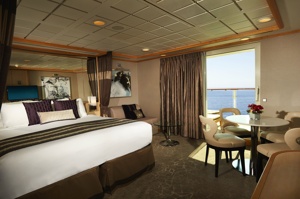
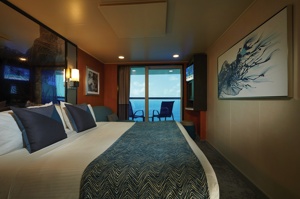
With room for up to three guests, Norwegian Dawn Balcony Staterooms have two lower beds that convert into a queen-size bed and some feature additional bedding to accommodate one more. Along with a sitting area, floor-to-ceiling glass doors and a private balcony with an amazing view. Some can connect for added convenience.

AMENITIES

  • Private Balcony
  • Sitting Area
  • Room Service Available 24-hours
  • Hot Breakfast Menu
  • Continental Breakfast Menu
  • Coffee Maker

Facilities

  • Queen or Twin Configuration
  • Shower
  • TV
  • Safe
  • Hair Dryer
  • Telephone
  • Desk
  • Sofa Bed
  • Lounge Area
  • Toiletries Provided
  • Room Service Available
  • Wi-Fi (Additional Cost)
  • Air Conditioning
  • Coffee Machine

Oceanview
3-4

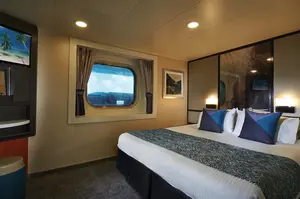
These Oceanview Staterooms have room for up to four guests, with two lower beds that convert into a queen-size bed and additional bedding to accommodate up to two more guests. You'll also have a porthole to enjoy an awesome view, and some can connect for added convenience.

AMENITIES

  • 24-hr Room Service

Facilities

  • Queen or Twin Configuration
  • Shower
  • TV
  • Safe
  • Hair Dryer
  • Telephone
  • Desk
  • Sofa Bed
  • Lounge Area
  • Toiletries Provided
  • Room Service Available
  • Wi-Fi (Additional Cost)
  • Air Conditioning

Family Suite
4-6

Bring the whole gang because this Suite sleeps up to six guests. It features a king-size bed separated for added privacy, double sofa bed, and some also have a double murphy bed to accommodate two more. Everyone can hang out in the sitting area, and there is a luxury bath with shower. Butler and concierge included. Please note: This stateroom has floor to ceiling windows, no balcony.

AMENITIES

  • 24-Hour Butler
  • Concierge Service
  • Personal Escort On and Off the Ship
  • Cocktail Party with Ship's Officers
  • Fine Bed Linens & Pillow-top Mattress
  • Plush Bathrobe, Slippers & Products
  • Sparkling Wine & Fruit on Embarkation
  • Suite Room Service Available 24-hours
  • Invitations to Exclusive Breakfast/Lunch
  • Invitations to Exclusive Cocktail Parties
  • Delicious Treats Delivered Nightly
  • Priority Specialty Dining Reservations

Facilities

  • King or Twin Configuration
  • Sofa Bed
  • Lounge Area
  • Shower
  • Bath
  • Butler Service
  • TV
  • Safe
  • Hair Dryer
  • Telephone
  • Desk
  • Pullman Bed
  • Toiletries Provided
  • Room Service Available
  • Suite Benefits
  • Wi-Fi (Additional Cost)
  • Air Conditioning

Family Suite with Balcony
4-6

There's plenty of space for the entire family to spread out, relax and enjoy the magnificent views. Includes a queen-size bed plus additional bedding to accommodate up to four more guests, a luxury bath with bathtub and a balcony to breathe in the fresh sea air as you take in the ever-changing seascape. Butler and concierge service rounds out a perfect family vacation.

AMENITIES

  • 24-Hour Butler
  • Concierge Service
  • Personal Escort On and Off the Ship
  • Cocktail Party with Ship's Officers
  • Fine Bed Linens & Pillow-top Mattress
  • Plush Bathrobe, Slippers & Products
  • Sparkling Wine & Fruit on Embarkation
  • Suite Room Service Available 24-hours
  • Invitations to Exclusive Breakfast/Lunch
  • Invitations to Exclusive Cocktail Parties
  • Delicious Treats Delivered Nightly
  • Priority Specialty Dining Reservations

Facilities

  • Lounge Area
  • Dining Area
  • Bath
  • TV
  • Safe
  • Hair Dryer
  • Telephone
  • Desk
  • Queen or Twin Configuration
  • Sofa Bed
  • Shower
  • Whirlpool Bath
  • Toiletries Provided
  • Room Service Available
  • Suite Benefits
  • Butler Service
  • Wi-Fi (Additional Cost)
  • Air Conditioning

View Itinerary By Date


Day 1 Lisbon, Portugal

Set on seven hills on the banks of the River Tagus, Lisbon has been the capital of Portugal since the 13th century. It is a city famous for its majestic architecture, old wooden trams, Moorish features and more than twenty centuries of history. Following disastrous earthquakes in the 18th century, Lisbon was rebuilt by the Marques de Pombal who created an elegant city with wide boulevards and a great riverfront and square, Praça do Comércio. Today there are distinct modern and ancient sections, combining great shopping with culture and sightseeing in the Old Town, built on the city's terraced hillsides. The distance between the ship and your tour vehicle may vary. This distance is not included in the excursion grades.

Day 2 Portimão, Portugal

Portimão is a major fishing port, and significant investment has been poured into transforming it into an attractive cruise port as well. The city itself is spacious and has several good shopping streets—though sadly many of the more traditional retailers have closed in the wake of the global economic crisis. There is also a lovely riverside area that just begs to be strolled (lots of the coastal cruises depart from here). Don't leave without stopping for an alfresco lunch at the Doca da Sardinha ("sardine dock") between the old bridge and the railway bridge. You can sit at one of many inexpensive establishments, eating charcoal-grilled sardines (a local specialty) accompanied by chewy fresh bread, simple salads, and local wine.

Day 3 Cádiz, Spain

Believed to be the oldest town on the Iberian Peninsula, the Andalusian port of Cádiz enjoys a stunning location at the edge of a six-mile promontory. The town itself, with 3,000 years of history, is characterised by pretty white houses with balconies often adorned with colourful flowers. As you wander around be sure to take a stroll through the sizeable Plaza de Espãna, with its large monument dedicated to the first Spanish constitution, which was signed here in 1812. Cádiz has two pleasant seafront promenades which boast fine views of the Atlantic Ocean, and has a lovely park, the Parque Genoves, located close to the sea with an open-air theatre and attractive palm garden. Also notable is the neo-Classical cathedral, capped by a golden dome.

Day 4 Motril, Spain

Motril is located in the Spanish region of Andalucia on the Costa Tropical. It is the biggest town on the Costa with a thriving commercial, fishing and leisure port. An hour and a half's drive east of Malaga and within easy reach of the magnificent Sierra Nevada mountain range, Motril makes an ideal base for exploring the many delights of the Andalucian coastline and its hinterland. Halfway between the resorts of Malaga to the west and Almeria to the east, nestling in the foothills of the Sierra Lujar mountains, Motril is at the heart of one of the most fertile and productive agricultural areas of Spain. The Costa Tropical takes its name from its sub-tropical climate which enables the cultivation of exotic fruits and crops such as sugar cane, oranges, lemons, apples, avocadoes, mangoes and bananas. One of the sights of Motril is the 17th-century church of Nuestra Señora de la Cabeza, dedicated to the town's patron saint.

Day 5 Gibraltar, Gibraltar

Tagged on to the end of Iberia, the intriguing British outpost of Gibraltar is dominated by a sandy peninsula and the stunning 1,400-feet-high limestone Rock. Although small, Gibraltar has always been seen as having great strategic importance on account of its advantageous position where the Atlantic meets the Mediterranean, just 12 miles from the coast of Africa. Ever popular with British holidaymakers, Gibraltar is very much a home from home, boasting excellent duty-free shopping in many familiar British high street shops. Please note: Gibraltar's small size and narrow winding roads mean that excursions are operated by 22-seater mini-buses, accompanied by a driver/guide. Local health and safety regulations prohibit the carriage of walking aids and collapsible wheelchairs on these vehicles. If you do wish to bring a mobility aid, we can arrange the Rock Tour by taxi, which has extra space. If this suits your requirements, please advise the Tours and Travel office when you join the ship, as numbers are limited.

Day 6 Ibiza, Spain

Hedonistic and historic, Eivissa (Ibiza, in Castilian) is a city jam-packed with cafés, nightspots, and trendy shops; looming over it are the massive stone walls of Dalt Vila —the medieval city declared a UNESCO World Heritage site in 1999—and its Gothic cathedral. Squeezed between the north walls of the old city and the harbor is Sa Penya, a long labyrinth of stone-paved streets that offer some of the city's best offbeat shopping, snacking, and exploring. The tourist information office on Vara de Rey has a useful map of walks through the old city.

Day 7 Palma de Mallorca, Spain

If you look north of the cathedral (La Seu, or the seat of the bishopric, to Mallorcans) on a map of the city of Palma, you can see around the Plaça Santa Eulàlia a jumble of tiny streets that made up the earliest settlement. Farther out, a ring of wide boulevards traces the fortifications built by the Moors to defend the larger city that emerged by the 12th century. The zigzags mark the bastions that jutted out at regular intervals. By the end of the 19th century, most of the walls had been demolished; the only place where you can still see the massive defenses is at Ses Voltes, along the seafront west of the cathedral.A torrent (streambed) used to run through the middle of the old city, dry for most of the year but often a raging flood in the rainy season. In the 17th century it was diverted to the east, along the moat that ran outside the city walls. Two of Palma's main arteries, La Rambla and the Passeig d'es Born, now follow the stream's natural course. The traditional evening paseo (promenade) takes place on the Born.If you come to Palma by car, park in the garage beneath the Parc de la Mar (the ramp is just off the highway from the airport, as you reach the cathedral) and stroll along the park. Beside it run the huge bastions guarding the Almudaina Palace; the cathedral, golden and massive, rises beyond. Where you exit the garage, there's a ceramic mural by the late Catalan artist and Mallorca resident Joan Miró, facing the cathedral across the pool that runs the length of the park.If you begin early enough, a walk along the ramparts at Ses Voltes from the mirador beside the cathedral is spectacular. The first rays of the sun turn the upper pinnacles of La Seu bright gold and then begin to work their way down the sandstone walls. From the Parc de la Mar, follow Avinguda Antoni Maura past the steps to the palace. Just below the Plaça de la Reina, where the Passeig d'es Born begins, turn left on Carrer de la Boteria into the Plaça de la Llotja (if the Llotja itself is open, don't miss a chance to visit—it's the Mediterranean's finest Gothic-style civic building). From there stroll through the Plaça Drassana to the Museu d'Es Baluard, at the end of Carrer Sant Pere. Retrace your steps to Avinguda Antoni Maura. Walk up the Passeig d'es Born to Plaça Joan Carles I, then right on Avenida de La Unió.

Day 8 Barcelona, Spain

The infinite variety of street life, the nooks and crannies of the medieval Barri Gòtic, the ceramic tile and stained glass of Art Nouveau facades, the art and music, the throb of street life, the food (ah, the food!)—one way or another, Barcelona will find a way to get your full attention. The capital of Catalonia is a banquet for the senses, with its beguiling mix of ancient and modern architecture, tempting cafés and markets, and sun-drenched Mediterranean beaches. A stroll along La Rambla and through waterfront Barceloneta, as well as a tour of Gaudí's majestic Sagrada Famíliaand his other unique creations, are part of a visit to Spain's second-largest city. Modern art museums and chic shops call for attention, too. Barcelona's vibe stays lively well into the night, when you can linger over regional wine and cuisine at buzzing tapas bars.


Day 1 Lisbon, Portugal

Set on seven hills on the banks of the River Tagus, Lisbon has been the capital of Portugal since the 13th century. It is a city famous for its majestic architecture, old wooden trams, Moorish features and more than twenty centuries of history. Following disastrous earthquakes in the 18th century, Lisbon was rebuilt by the Marques de Pombal who created an elegant city with wide boulevards and a great riverfront and square, Praça do Comércio. Today there are distinct modern and ancient sections, combining great shopping with culture and sightseeing in the Old Town, built on the city's terraced hillsides. The distance between the ship and your tour vehicle may vary. This distance is not included in the excursion grades.

Day 2 Portimão, Portugal

Portimão is a major fishing port, and significant investment has been poured into transforming it into an attractive cruise port as well. The city itself is spacious and has several good shopping streets—though sadly many of the more traditional retailers have closed in the wake of the global economic crisis. There is also a lovely riverside area that just begs to be strolled (lots of the coastal cruises depart from here). Don't leave without stopping for an alfresco lunch at the Doca da Sardinha ("sardine dock") between the old bridge and the railway bridge. You can sit at one of many inexpensive establishments, eating charcoal-grilled sardines (a local specialty) accompanied by chewy fresh bread, simple salads, and local wine.

Day 3 Cádiz, Spain

Believed to be the oldest town on the Iberian Peninsula, the Andalusian port of Cádiz enjoys a stunning location at the edge of a six-mile promontory. The town itself, with 3,000 years of history, is characterised by pretty white houses with balconies often adorned with colourful flowers. As you wander around be sure to take a stroll through the sizeable Plaza de Espãna, with its large monument dedicated to the first Spanish constitution, which was signed here in 1812. Cádiz has two pleasant seafront promenades which boast fine views of the Atlantic Ocean, and has a lovely park, the Parque Genoves, located close to the sea with an open-air theatre and attractive palm garden. Also notable is the neo-Classical cathedral, capped by a golden dome.

Day 4 Motril, Spain

Motril is located in the Spanish region of Andalucia on the Costa Tropical. It is the biggest town on the Costa with a thriving commercial, fishing and leisure port. An hour and a half's drive east of Malaga and within easy reach of the magnificent Sierra Nevada mountain range, Motril makes an ideal base for exploring the many delights of the Andalucian coastline and its hinterland. Halfway between the resorts of Malaga to the west and Almeria to the east, nestling in the foothills of the Sierra Lujar mountains, Motril is at the heart of one of the most fertile and productive agricultural areas of Spain. The Costa Tropical takes its name from its sub-tropical climate which enables the cultivation of exotic fruits and crops such as sugar cane, oranges, lemons, apples, avocadoes, mangoes and bananas. One of the sights of Motril is the 17th-century church of Nuestra Señora de la Cabeza, dedicated to the town's patron saint.

Day 5 Gibraltar, Gibraltar

Tagged on to the end of Iberia, the intriguing British outpost of Gibraltar is dominated by a sandy peninsula and the stunning 1,400-feet-high limestone Rock. Although small, Gibraltar has always been seen as having great strategic importance on account of its advantageous position where the Atlantic meets the Mediterranean, just 12 miles from the coast of Africa. Ever popular with British holidaymakers, Gibraltar is very much a home from home, boasting excellent duty-free shopping in many familiar British high street shops. Please note: Gibraltar's small size and narrow winding roads mean that excursions are operated by 22-seater mini-buses, accompanied by a driver/guide. Local health and safety regulations prohibit the carriage of walking aids and collapsible wheelchairs on these vehicles. If you do wish to bring a mobility aid, we can arrange the Rock Tour by taxi, which has extra space. If this suits your requirements, please advise the Tours and Travel office when you join the ship, as numbers are limited.

Day 6 Ibiza, Spain

Hedonistic and historic, Eivissa (Ibiza, in Castilian) is a city jam-packed with cafés, nightspots, and trendy shops; looming over it are the massive stone walls of Dalt Vila —the medieval city declared a UNESCO World Heritage site in 1999—and its Gothic cathedral. Squeezed between the north walls of the old city and the harbor is Sa Penya, a long labyrinth of stone-paved streets that offer some of the city's best offbeat shopping, snacking, and exploring. The tourist information office on Vara de Rey has a useful map of walks through the old city.

Day 7 Palma de Mallorca, Spain

If you look north of the cathedral (La Seu, or the seat of the bishopric, to Mallorcans) on a map of the city of Palma, you can see around the Plaça Santa Eulàlia a jumble of tiny streets that made up the earliest settlement. Farther out, a ring of wide boulevards traces the fortifications built by the Moors to defend the larger city that emerged by the 12th century. The zigzags mark the bastions that jutted out at regular intervals. By the end of the 19th century, most of the walls had been demolished; the only place where you can still see the massive defenses is at Ses Voltes, along the seafront west of the cathedral.A torrent (streambed) used to run through the middle of the old city, dry for most of the year but often a raging flood in the rainy season. In the 17th century it was diverted to the east, along the moat that ran outside the city walls. Two of Palma's main arteries, La Rambla and the Passeig d'es Born, now follow the stream's natural course. The traditional evening paseo (promenade) takes place on the Born.If you come to Palma by car, park in the garage beneath the Parc de la Mar (the ramp is just off the highway from the airport, as you reach the cathedral) and stroll along the park. Beside it run the huge bastions guarding the Almudaina Palace; the cathedral, golden and massive, rises beyond. Where you exit the garage, there's a ceramic mural by the late Catalan artist and Mallorca resident Joan Miró, facing the cathedral across the pool that runs the length of the park.If you begin early enough, a walk along the ramparts at Ses Voltes from the mirador beside the cathedral is spectacular. The first rays of the sun turn the upper pinnacles of La Seu bright gold and then begin to work their way down the sandstone walls. From the Parc de la Mar, follow Avinguda Antoni Maura past the steps to the palace. Just below the Plaça de la Reina, where the Passeig d'es Born begins, turn left on Carrer de la Boteria into the Plaça de la Llotja (if the Llotja itself is open, don't miss a chance to visit—it's the Mediterranean's finest Gothic-style civic building). From there stroll through the Plaça Drassana to the Museu d'Es Baluard, at the end of Carrer Sant Pere. Retrace your steps to Avinguda Antoni Maura. Walk up the Passeig d'es Born to Plaça Joan Carles I, then right on Avenida de La Unió.

Day 8 Barcelona, Spain

The infinite variety of street life, the nooks and crannies of the medieval Barri Gòtic, the ceramic tile and stained glass of Art Nouveau facades, the art and music, the throb of street life, the food (ah, the food!)—one way or another, Barcelona will find a way to get your full attention. The capital of Catalonia is a banquet for the senses, with its beguiling mix of ancient and modern architecture, tempting cafés and markets, and sun-drenched Mediterranean beaches. A stroll along La Rambla and through waterfront Barceloneta, as well as a tour of Gaudí's majestic Sagrada Famíliaand his other unique creations, are part of a visit to Spain's second-largest city. Modern art museums and chic shops call for attention, too. Barcelona's vibe stays lively well into the night, when you can linger over regional wine and cuisine at buzzing tapas bars.

Day 1 Lisbon, Portugal

Set on seven hills on the banks of the River Tagus, Lisbon has been the capital of Portugal since the 13th century. It is a city famous for its majestic architecture, old wooden trams, Moorish features and more than twenty centuries of history. Following disastrous earthquakes in the 18th century, Lisbon was rebuilt by the Marques de Pombal who created an elegant city with wide boulevards and a great riverfront and square, Praça do Comércio. Today there are distinct modern and ancient sections, combining great shopping with culture and sightseeing in the Old Town, built on the city's terraced hillsides. The distance between the ship and your tour vehicle may vary. This distance is not included in the excursion grades.

Day 2 Portimão, Portugal

Portimão is a major fishing port, and significant investment has been poured into transforming it into an attractive cruise port as well. The city itself is spacious and has several good shopping streets—though sadly many of the more traditional retailers have closed in the wake of the global economic crisis. There is also a lovely riverside area that just begs to be strolled (lots of the coastal cruises depart from here). Don't leave without stopping for an alfresco lunch at the Doca da Sardinha ("sardine dock") between the old bridge and the railway bridge. You can sit at one of many inexpensive establishments, eating charcoal-grilled sardines (a local specialty) accompanied by chewy fresh bread, simple salads, and local wine.

Day 3 Cádiz, Spain

Believed to be the oldest town on the Iberian Peninsula, the Andalusian port of Cádiz enjoys a stunning location at the edge of a six-mile promontory. The town itself, with 3,000 years of history, is characterised by pretty white houses with balconies often adorned with colourful flowers. As you wander around be sure to take a stroll through the sizeable Plaza de Espãna, with its large monument dedicated to the first Spanish constitution, which was signed here in 1812. Cádiz has two pleasant seafront promenades which boast fine views of the Atlantic Ocean, and has a lovely park, the Parque Genoves, located close to the sea with an open-air theatre and attractive palm garden. Also notable is the neo-Classical cathedral, capped by a golden dome.

Day 4 Motril, Spain

Motril is located in the Spanish region of Andalucia on the Costa Tropical. It is the biggest town on the Costa with a thriving commercial, fishing and leisure port. An hour and a half's drive east of Malaga and within easy reach of the magnificent Sierra Nevada mountain range, Motril makes an ideal base for exploring the many delights of the Andalucian coastline and its hinterland. Halfway between the resorts of Malaga to the west and Almeria to the east, nestling in the foothills of the Sierra Lujar mountains, Motril is at the heart of one of the most fertile and productive agricultural areas of Spain. The Costa Tropical takes its name from its sub-tropical climate which enables the cultivation of exotic fruits and crops such as sugar cane, oranges, lemons, apples, avocadoes, mangoes and bananas. One of the sights of Motril is the 17th-century church of Nuestra Señora de la Cabeza, dedicated to the town's patron saint.

Day 5 Gibraltar, Gibraltar

Tagged on to the end of Iberia, the intriguing British outpost of Gibraltar is dominated by a sandy peninsula and the stunning 1,400-feet-high limestone Rock. Although small, Gibraltar has always been seen as having great strategic importance on account of its advantageous position where the Atlantic meets the Mediterranean, just 12 miles from the coast of Africa. Ever popular with British holidaymakers, Gibraltar is very much a home from home, boasting excellent duty-free shopping in many familiar British high street shops. Please note: Gibraltar's small size and narrow winding roads mean that excursions are operated by 22-seater mini-buses, accompanied by a driver/guide. Local health and safety regulations prohibit the carriage of walking aids and collapsible wheelchairs on these vehicles. If you do wish to bring a mobility aid, we can arrange the Rock Tour by taxi, which has extra space. If this suits your requirements, please advise the Tours and Travel office when you join the ship, as numbers are limited.

Day 6 Ibiza, Spain

Hedonistic and historic, Eivissa (Ibiza, in Castilian) is a city jam-packed with cafés, nightspots, and trendy shops; looming over it are the massive stone walls of Dalt Vila —the medieval city declared a UNESCO World Heritage site in 1999—and its Gothic cathedral. Squeezed between the north walls of the old city and the harbor is Sa Penya, a long labyrinth of stone-paved streets that offer some of the city's best offbeat shopping, snacking, and exploring. The tourist information office on Vara de Rey has a useful map of walks through the old city.

Day 7 Palma de Mallorca, Spain

If you look north of the cathedral (La Seu, or the seat of the bishopric, to Mallorcans) on a map of the city of Palma, you can see around the Plaça Santa Eulàlia a jumble of tiny streets that made up the earliest settlement. Farther out, a ring of wide boulevards traces the fortifications built by the Moors to defend the larger city that emerged by the 12th century. The zigzags mark the bastions that jutted out at regular intervals. By the end of the 19th century, most of the walls had been demolished; the only place where you can still see the massive defenses is at Ses Voltes, along the seafront west of the cathedral.A torrent (streambed) used to run through the middle of the old city, dry for most of the year but often a raging flood in the rainy season. In the 17th century it was diverted to the east, along the moat that ran outside the city walls. Two of Palma's main arteries, La Rambla and the Passeig d'es Born, now follow the stream's natural course. The traditional evening paseo (promenade) takes place on the Born.If you come to Palma by car, park in the garage beneath the Parc de la Mar (the ramp is just off the highway from the airport, as you reach the cathedral) and stroll along the park. Beside it run the huge bastions guarding the Almudaina Palace; the cathedral, golden and massive, rises beyond. Where you exit the garage, there's a ceramic mural by the late Catalan artist and Mallorca resident Joan Miró, facing the cathedral across the pool that runs the length of the park.If you begin early enough, a walk along the ramparts at Ses Voltes from the mirador beside the cathedral is spectacular. The first rays of the sun turn the upper pinnacles of La Seu bright gold and then begin to work their way down the sandstone walls. From the Parc de la Mar, follow Avinguda Antoni Maura past the steps to the palace. Just below the Plaça de la Reina, where the Passeig d'es Born begins, turn left on Carrer de la Boteria into the Plaça de la Llotja (if the Llotja itself is open, don't miss a chance to visit—it's the Mediterranean's finest Gothic-style civic building). From there stroll through the Plaça Drassana to the Museu d'Es Baluard, at the end of Carrer Sant Pere. Retrace your steps to Avinguda Antoni Maura. Walk up the Passeig d'es Born to Plaça Joan Carles I, then right on Avenida de La Unió.

Day 8 Barcelona, Spain

The infinite variety of street life, the nooks and crannies of the medieval Barri Gòtic, the ceramic tile and stained glass of Art Nouveau facades, the art and music, the throb of street life, the food (ah, the food!)—one way or another, Barcelona will find a way to get your full attention. The capital of Catalonia is a banquet for the senses, with its beguiling mix of ancient and modern architecture, tempting cafés and markets, and sun-drenched Mediterranean beaches. A stroll along La Rambla and through waterfront Barceloneta, as well as a tour of Gaudí's majestic Sagrada Famíliaand his other unique creations, are part of a visit to Spain's second-largest city. Modern art museums and chic shops call for attention, too. Barcelona's vibe stays lively well into the night, when you can linger over regional wine and cuisine at buzzing tapas bars.

Day 1 Lisbon, Portugal

Set on seven hills on the banks of the River Tagus, Lisbon has been the capital of Portugal since the 13th century. It is a city famous for its majestic architecture, old wooden trams, Moorish features and more than twenty centuries of history. Following disastrous earthquakes in the 18th century, Lisbon was rebuilt by the Marques de Pombal who created an elegant city with wide boulevards and a great riverfront and square, Praça do Comércio. Today there are distinct modern and ancient sections, combining great shopping with culture and sightseeing in the Old Town, built on the city's terraced hillsides. The distance between the ship and your tour vehicle may vary. This distance is not included in the excursion grades.

Day 2 Portimão, Portugal

Portimão is a major fishing port, and significant investment has been poured into transforming it into an attractive cruise port as well. The city itself is spacious and has several good shopping streets—though sadly many of the more traditional retailers have closed in the wake of the global economic crisis. There is also a lovely riverside area that just begs to be strolled (lots of the coastal cruises depart from here). Don't leave without stopping for an alfresco lunch at the Doca da Sardinha ("sardine dock") between the old bridge and the railway bridge. You can sit at one of many inexpensive establishments, eating charcoal-grilled sardines (a local specialty) accompanied by chewy fresh bread, simple salads, and local wine.

Day 3 Cádiz, Spain

Believed to be the oldest town on the Iberian Peninsula, the Andalusian port of Cádiz enjoys a stunning location at the edge of a six-mile promontory. The town itself, with 3,000 years of history, is characterised by pretty white houses with balconies often adorned with colourful flowers. As you wander around be sure to take a stroll through the sizeable Plaza de Espãna, with its large monument dedicated to the first Spanish constitution, which was signed here in 1812. Cádiz has two pleasant seafront promenades which boast fine views of the Atlantic Ocean, and has a lovely park, the Parque Genoves, located close to the sea with an open-air theatre and attractive palm garden. Also notable is the neo-Classical cathedral, capped by a golden dome.

Day 4 Motril, Spain

Motril is located in the Spanish region of Andalucia on the Costa Tropical. It is the biggest town on the Costa with a thriving commercial, fishing and leisure port. An hour and a half's drive east of Malaga and within easy reach of the magnificent Sierra Nevada mountain range, Motril makes an ideal base for exploring the many delights of the Andalucian coastline and its hinterland. Halfway between the resorts of Malaga to the west and Almeria to the east, nestling in the foothills of the Sierra Lujar mountains, Motril is at the heart of one of the most fertile and productive agricultural areas of Spain. The Costa Tropical takes its name from its sub-tropical climate which enables the cultivation of exotic fruits and crops such as sugar cane, oranges, lemons, apples, avocadoes, mangoes and bananas. One of the sights of Motril is the 17th-century church of Nuestra Señora de la Cabeza, dedicated to the town's patron saint.

Day 5 Gibraltar, Gibraltar

Tagged on to the end of Iberia, the intriguing British outpost of Gibraltar is dominated by a sandy peninsula and the stunning 1,400-feet-high limestone Rock. Although small, Gibraltar has always been seen as having great strategic importance on account of its advantageous position where the Atlantic meets the Mediterranean, just 12 miles from the coast of Africa. Ever popular with British holidaymakers, Gibraltar is very much a home from home, boasting excellent duty-free shopping in many familiar British high street shops. Please note: Gibraltar's small size and narrow winding roads mean that excursions are operated by 22-seater mini-buses, accompanied by a driver/guide. Local health and safety regulations prohibit the carriage of walking aids and collapsible wheelchairs on these vehicles. If you do wish to bring a mobility aid, we can arrange the Rock Tour by taxi, which has extra space. If this suits your requirements, please advise the Tours and Travel office when you join the ship, as numbers are limited.

Day 6 Ibiza, Spain

Hedonistic and historic, Eivissa (Ibiza, in Castilian) is a city jam-packed with cafés, nightspots, and trendy shops; looming over it are the massive stone walls of Dalt Vila —the medieval city declared a UNESCO World Heritage site in 1999—and its Gothic cathedral. Squeezed between the north walls of the old city and the harbor is Sa Penya, a long labyrinth of stone-paved streets that offer some of the city's best offbeat shopping, snacking, and exploring. The tourist information office on Vara de Rey has a useful map of walks through the old city.

Day 7 Palma de Mallorca, Spain

If you look north of the cathedral (La Seu, or the seat of the bishopric, to Mallorcans) on a map of the city of Palma, you can see around the Plaça Santa Eulàlia a jumble of tiny streets that made up the earliest settlement. Farther out, a ring of wide boulevards traces the fortifications built by the Moors to defend the larger city that emerged by the 12th century. The zigzags mark the bastions that jutted out at regular intervals. By the end of the 19th century, most of the walls had been demolished; the only place where you can still see the massive defenses is at Ses Voltes, along the seafront west of the cathedral.A torrent (streambed) used to run through the middle of the old city, dry for most of the year but often a raging flood in the rainy season. In the 17th century it was diverted to the east, along the moat that ran outside the city walls. Two of Palma's main arteries, La Rambla and the Passeig d'es Born, now follow the stream's natural course. The traditional evening paseo (promenade) takes place on the Born.If you come to Palma by car, park in the garage beneath the Parc de la Mar (the ramp is just off the highway from the airport, as you reach the cathedral) and stroll along the park. Beside it run the huge bastions guarding the Almudaina Palace; the cathedral, golden and massive, rises beyond. Where you exit the garage, there's a ceramic mural by the late Catalan artist and Mallorca resident Joan Miró, facing the cathedral across the pool that runs the length of the park.If you begin early enough, a walk along the ramparts at Ses Voltes from the mirador beside the cathedral is spectacular. The first rays of the sun turn the upper pinnacles of La Seu bright gold and then begin to work their way down the sandstone walls. From the Parc de la Mar, follow Avinguda Antoni Maura past the steps to the palace. Just below the Plaça de la Reina, where the Passeig d'es Born begins, turn left on Carrer de la Boteria into the Plaça de la Llotja (if the Llotja itself is open, don't miss a chance to visit—it's the Mediterranean's finest Gothic-style civic building). From there stroll through the Plaça Drassana to the Museu d'Es Baluard, at the end of Carrer Sant Pere. Retrace your steps to Avinguda Antoni Maura. Walk up the Passeig d'es Born to Plaça Joan Carles I, then right on Avenida de La Unió.

Day 8 Barcelona, Spain

The infinite variety of street life, the nooks and crannies of the medieval Barri Gòtic, the ceramic tile and stained glass of Art Nouveau facades, the art and music, the throb of street life, the food (ah, the food!)—one way or another, Barcelona will find a way to get your full attention. The capital of Catalonia is a banquet for the senses, with its beguiling mix of ancient and modern architecture, tempting cafés and markets, and sun-drenched Mediterranean beaches. A stroll along La Rambla and through waterfront Barceloneta, as well as a tour of Gaudí's majestic Sagrada Famíliaand his other unique creations, are part of a visit to Spain's second-largest city. Modern art museums and chic shops call for attention, too. Barcelona's vibe stays lively well into the night, when you can linger over regional wine and cuisine at buzzing tapas bars.

Day 1 Lisbon, Portugal

Set on seven hills on the banks of the River Tagus, Lisbon has been the capital of Portugal since the 13th century. It is a city famous for its majestic architecture, old wooden trams, Moorish features and more than twenty centuries of history. Following disastrous earthquakes in the 18th century, Lisbon was rebuilt by the Marques de Pombal who created an elegant city with wide boulevards and a great riverfront and square, Praça do Comércio. Today there are distinct modern and ancient sections, combining great shopping with culture and sightseeing in the Old Town, built on the city's terraced hillsides. The distance between the ship and your tour vehicle may vary. This distance is not included in the excursion grades.

Day 2 Portimão, Portugal

Portimão is a major fishing port, and significant investment has been poured into transforming it into an attractive cruise port as well. The city itself is spacious and has several good shopping streets—though sadly many of the more traditional retailers have closed in the wake of the global economic crisis. There is also a lovely riverside area that just begs to be strolled (lots of the coastal cruises depart from here). Don't leave without stopping for an alfresco lunch at the Doca da Sardinha ("sardine dock") between the old bridge and the railway bridge. You can sit at one of many inexpensive establishments, eating charcoal-grilled sardines (a local specialty) accompanied by chewy fresh bread, simple salads, and local wine.

Day 3 Cádiz, Spain

Believed to be the oldest town on the Iberian Peninsula, the Andalusian port of Cádiz enjoys a stunning location at the edge of a six-mile promontory. The town itself, with 3,000 years of history, is characterised by pretty white houses with balconies often adorned with colourful flowers. As you wander around be sure to take a stroll through the sizeable Plaza de Espãna, with its large monument dedicated to the first Spanish constitution, which was signed here in 1812. Cádiz has two pleasant seafront promenades which boast fine views of the Atlantic Ocean, and has a lovely park, the Parque Genoves, located close to the sea with an open-air theatre and attractive palm garden. Also notable is the neo-Classical cathedral, capped by a golden dome.

Day 4 Motril, Spain

Motril is located in the Spanish region of Andalucia on the Costa Tropical. It is the biggest town on the Costa with a thriving commercial, fishing and leisure port. An hour and a half's drive east of Malaga and within easy reach of the magnificent Sierra Nevada mountain range, Motril makes an ideal base for exploring the many delights of the Andalucian coastline and its hinterland. Halfway between the resorts of Malaga to the west and Almeria to the east, nestling in the foothills of the Sierra Lujar mountains, Motril is at the heart of one of the most fertile and productive agricultural areas of Spain. The Costa Tropical takes its name from its sub-tropical climate which enables the cultivation of exotic fruits and crops such as sugar cane, oranges, lemons, apples, avocadoes, mangoes and bananas. One of the sights of Motril is the 17th-century church of Nuestra Señora de la Cabeza, dedicated to the town's patron saint.

Day 5 Gibraltar, Gibraltar

Tagged on to the end of Iberia, the intriguing British outpost of Gibraltar is dominated by a sandy peninsula and the stunning 1,400-feet-high limestone Rock. Although small, Gibraltar has always been seen as having great strategic importance on account of its advantageous position where the Atlantic meets the Mediterranean, just 12 miles from the coast of Africa. Ever popular with British holidaymakers, Gibraltar is very much a home from home, boasting excellent duty-free shopping in many familiar British high street shops. Please note: Gibraltar's small size and narrow winding roads mean that excursions are operated by 22-seater mini-buses, accompanied by a driver/guide. Local health and safety regulations prohibit the carriage of walking aids and collapsible wheelchairs on these vehicles. If you do wish to bring a mobility aid, we can arrange the Rock Tour by taxi, which has extra space. If this suits your requirements, please advise the Tours and Travel office when you join the ship, as numbers are limited.

Day 6 Ibiza, Spain

Hedonistic and historic, Eivissa (Ibiza, in Castilian) is a city jam-packed with cafés, nightspots, and trendy shops; looming over it are the massive stone walls of Dalt Vila —the medieval city declared a UNESCO World Heritage site in 1999—and its Gothic cathedral. Squeezed between the north walls of the old city and the harbor is Sa Penya, a long labyrinth of stone-paved streets that offer some of the city's best offbeat shopping, snacking, and exploring. The tourist information office on Vara de Rey has a useful map of walks through the old city.

Day 7 Palma de Mallorca, Spain

If you look north of the cathedral (La Seu, or the seat of the bishopric, to Mallorcans) on a map of the city of Palma, you can see around the Plaça Santa Eulàlia a jumble of tiny streets that made up the earliest settlement. Farther out, a ring of wide boulevards traces the fortifications built by the Moors to defend the larger city that emerged by the 12th century. The zigzags mark the bastions that jutted out at regular intervals. By the end of the 19th century, most of the walls had been demolished; the only place where you can still see the massive defenses is at Ses Voltes, along the seafront west of the cathedral.A torrent (streambed) used to run through the middle of the old city, dry for most of the year but often a raging flood in the rainy season. In the 17th century it was diverted to the east, along the moat that ran outside the city walls. Two of Palma's main arteries, La Rambla and the Passeig d'es Born, now follow the stream's natural course. The traditional evening paseo (promenade) takes place on the Born.If you come to Palma by car, park in the garage beneath the Parc de la Mar (the ramp is just off the highway from the airport, as you reach the cathedral) and stroll along the park. Beside it run the huge bastions guarding the Almudaina Palace; the cathedral, golden and massive, rises beyond. Where you exit the garage, there's a ceramic mural by the late Catalan artist and Mallorca resident Joan Miró, facing the cathedral across the pool that runs the length of the park.If you begin early enough, a walk along the ramparts at Ses Voltes from the mirador beside the cathedral is spectacular. The first rays of the sun turn the upper pinnacles of La Seu bright gold and then begin to work their way down the sandstone walls. From the Parc de la Mar, follow Avinguda Antoni Maura past the steps to the palace. Just below the Plaça de la Reina, where the Passeig d'es Born begins, turn left on Carrer de la Boteria into the Plaça de la Llotja (if the Llotja itself is open, don't miss a chance to visit—it's the Mediterranean's finest Gothic-style civic building). From there stroll through the Plaça Drassana to the Museu d'Es Baluard, at the end of Carrer Sant Pere. Retrace your steps to Avinguda Antoni Maura. Walk up the Passeig d'es Born to Plaça Joan Carles I, then right on Avenida de La Unió.

Day 8 Barcelona, Spain

The infinite variety of street life, the nooks and crannies of the medieval Barri Gòtic, the ceramic tile and stained glass of Art Nouveau facades, the art and music, the throb of street life, the food (ah, the food!)—one way or another, Barcelona will find a way to get your full attention. The capital of Catalonia is a banquet for the senses, with its beguiling mix of ancient and modern architecture, tempting cafés and markets, and sun-drenched Mediterranean beaches. A stroll along La Rambla and through waterfront Barceloneta, as well as a tour of Gaudí's majestic Sagrada Famíliaand his other unique creations, are part of a visit to Spain's second-largest city. Modern art museums and chic shops call for attention, too. Barcelona's vibe stays lively well into the night, when you can linger over regional wine and cuisine at buzzing tapas bars.

Day 1 Lisbon, Portugal

Set on seven hills on the banks of the River Tagus, Lisbon has been the capital of Portugal since the 13th century. It is a city famous for its majestic architecture, old wooden trams, Moorish features and more than twenty centuries of history. Following disastrous earthquakes in the 18th century, Lisbon was rebuilt by the Marques de Pombal who created an elegant city with wide boulevards and a great riverfront and square, Praça do Comércio. Today there are distinct modern and ancient sections, combining great shopping with culture and sightseeing in the Old Town, built on the city's terraced hillsides. The distance between the ship and your tour vehicle may vary. This distance is not included in the excursion grades.

Day 2 Portimão, Portugal

Portimão is a major fishing port, and significant investment has been poured into transforming it into an attractive cruise port as well. The city itself is spacious and has several good shopping streets—though sadly many of the more traditional retailers have closed in the wake of the global economic crisis. There is also a lovely riverside area that just begs to be strolled (lots of the coastal cruises depart from here). Don't leave without stopping for an alfresco lunch at the Doca da Sardinha ("sardine dock") between the old bridge and the railway bridge. You can sit at one of many inexpensive establishments, eating charcoal-grilled sardines (a local specialty) accompanied by chewy fresh bread, simple salads, and local wine.

Day 3 Cádiz, Spain

Believed to be the oldest town on the Iberian Peninsula, the Andalusian port of Cádiz enjoys a stunning location at the edge of a six-mile promontory. The town itself, with 3,000 years of history, is characterised by pretty white houses with balconies often adorned with colourful flowers. As you wander around be sure to take a stroll through the sizeable Plaza de Espãna, with its large monument dedicated to the first Spanish constitution, which was signed here in 1812. Cádiz has two pleasant seafront promenades which boast fine views of the Atlantic Ocean, and has a lovely park, the Parque Genoves, located close to the sea with an open-air theatre and attractive palm garden. Also notable is the neo-Classical cathedral, capped by a golden dome.

Day 4 Motril, Spain

Motril is located in the Spanish region of Andalucia on the Costa Tropical. It is the biggest town on the Costa with a thriving commercial, fishing and leisure port. An hour and a half's drive east of Malaga and within easy reach of the magnificent Sierra Nevada mountain range, Motril makes an ideal base for exploring the many delights of the Andalucian coastline and its hinterland. Halfway between the resorts of Malaga to the west and Almeria to the east, nestling in the foothills of the Sierra Lujar mountains, Motril is at the heart of one of the most fertile and productive agricultural areas of Spain. The Costa Tropical takes its name from its sub-tropical climate which enables the cultivation of exotic fruits and crops such as sugar cane, oranges, lemons, apples, avocadoes, mangoes and bananas. One of the sights of Motril is the 17th-century church of Nuestra Señora de la Cabeza, dedicated to the town's patron saint.

Day 5 Gibraltar, Gibraltar

Tagged on to the end of Iberia, the intriguing British outpost of Gibraltar is dominated by a sandy peninsula and the stunning 1,400-feet-high limestone Rock. Although small, Gibraltar has always been seen as having great strategic importance on account of its advantageous position where the Atlantic meets the Mediterranean, just 12 miles from the coast of Africa. Ever popular with British holidaymakers, Gibraltar is very much a home from home, boasting excellent duty-free shopping in many familiar British high street shops. Please note: Gibraltar's small size and narrow winding roads mean that excursions are operated by 22-seater mini-buses, accompanied by a driver/guide. Local health and safety regulations prohibit the carriage of walking aids and collapsible wheelchairs on these vehicles. If you do wish to bring a mobility aid, we can arrange the Rock Tour by taxi, which has extra space. If this suits your requirements, please advise the Tours and Travel office when you join the ship, as numbers are limited.

Day 6 Ibiza, Spain

Hedonistic and historic, Eivissa (Ibiza, in Castilian) is a city jam-packed with cafés, nightspots, and trendy shops; looming over it are the massive stone walls of Dalt Vila —the medieval city declared a UNESCO World Heritage site in 1999—and its Gothic cathedral. Squeezed between the north walls of the old city and the harbor is Sa Penya, a long labyrinth of stone-paved streets that offer some of the city's best offbeat shopping, snacking, and exploring. The tourist information office on Vara de Rey has a useful map of walks through the old city.

Day 7 Palma de Mallorca, Spain

If you look north of the cathedral (La Seu, or the seat of the bishopric, to Mallorcans) on a map of the city of Palma, you can see around the Plaça Santa Eulàlia a jumble of tiny streets that made up the earliest settlement. Farther out, a ring of wide boulevards traces the fortifications built by the Moors to defend the larger city that emerged by the 12th century. The zigzags mark the bastions that jutted out at regular intervals. By the end of the 19th century, most of the walls had been demolished; the only place where you can still see the massive defenses is at Ses Voltes, along the seafront west of the cathedral.A torrent (streambed) used to run through the middle of the old city, dry for most of the year but often a raging flood in the rainy season. In the 17th century it was diverted to the east, along the moat that ran outside the city walls. Two of Palma's main arteries, La Rambla and the Passeig d'es Born, now follow the stream's natural course. The traditional evening paseo (promenade) takes place on the Born.If you come to Palma by car, park in the garage beneath the Parc de la Mar (the ramp is just off the highway from the airport, as you reach the cathedral) and stroll along the park. Beside it run the huge bastions guarding the Almudaina Palace; the cathedral, golden and massive, rises beyond. Where you exit the garage, there's a ceramic mural by the late Catalan artist and Mallorca resident Joan Miró, facing the cathedral across the pool that runs the length of the park.If you begin early enough, a walk along the ramparts at Ses Voltes from the mirador beside the cathedral is spectacular. The first rays of the sun turn the upper pinnacles of La Seu bright gold and then begin to work their way down the sandstone walls. From the Parc de la Mar, follow Avinguda Antoni Maura past the steps to the palace. Just below the Plaça de la Reina, where the Passeig d'es Born begins, turn left on Carrer de la Boteria into the Plaça de la Llotja (if the Llotja itself is open, don't miss a chance to visit—it's the Mediterranean's finest Gothic-style civic building). From there stroll through the Plaça Drassana to the Museu d'Es Baluard, at the end of Carrer Sant Pere. Retrace your steps to Avinguda Antoni Maura. Walk up the Passeig d'es Born to Plaça Joan Carles I, then right on Avenida de La Unió.

Day 8 Barcelona, Spain

The infinite variety of street life, the nooks and crannies of the medieval Barri Gòtic, the ceramic tile and stained glass of Art Nouveau facades, the art and music, the throb of street life, the food (ah, the food!)—one way or another, Barcelona will find a way to get your full attention. The capital of Catalonia is a banquet for the senses, with its beguiling mix of ancient and modern architecture, tempting cafés and markets, and sun-drenched Mediterranean beaches. A stroll along La Rambla and through waterfront Barceloneta, as well as a tour of Gaudí's majestic Sagrada Famíliaand his other unique creations, are part of a visit to Spain's second-largest city. Modern art museums and chic shops call for attention, too. Barcelona's vibe stays lively well into the night, when you can linger over regional wine and cuisine at buzzing tapas bars.

Day 1 Lisbon, Portugal

Set on seven hills on the banks of the River Tagus, Lisbon has been the capital of Portugal since the 13th century. It is a city famous for its majestic architecture, old wooden trams, Moorish features and more than twenty centuries of history. Following disastrous earthquakes in the 18th century, Lisbon was rebuilt by the Marques de Pombal who created an elegant city with wide boulevards and a great riverfront and square, Praça do Comércio. Today there are distinct modern and ancient sections, combining great shopping with culture and sightseeing in the Old Town, built on the city's terraced hillsides. The distance between the ship and your tour vehicle may vary. This distance is not included in the excursion grades.

Day 2 Portimão, Portugal

Portimão is a major fishing port, and significant investment has been poured into transforming it into an attractive cruise port as well. The city itself is spacious and has several good shopping streets—though sadly many of the more traditional retailers have closed in the wake of the global economic crisis. There is also a lovely riverside area that just begs to be strolled (lots of the coastal cruises depart from here). Don't leave without stopping for an alfresco lunch at the Doca da Sardinha ("sardine dock") between the old bridge and the railway bridge. You can sit at one of many inexpensive establishments, eating charcoal-grilled sardines (a local specialty) accompanied by chewy fresh bread, simple salads, and local wine.

Day 3 Cádiz, Spain

Believed to be the oldest town on the Iberian Peninsula, the Andalusian port of Cádiz enjoys a stunning location at the edge of a six-mile promontory. The town itself, with 3,000 years of history, is characterised by pretty white houses with balconies often adorned with colourful flowers. As you wander around be sure to take a stroll through the sizeable Plaza de Espãna, with its large monument dedicated to the first Spanish constitution, which was signed here in 1812. Cádiz has two pleasant seafront promenades which boast fine views of the Atlantic Ocean, and has a lovely park, the Parque Genoves, located close to the sea with an open-air theatre and attractive palm garden. Also notable is the neo-Classical cathedral, capped by a golden dome.

Day 4 Motril, Spain

Motril is located in the Spanish region of Andalucia on the Costa Tropical. It is the biggest town on the Costa with a thriving commercial, fishing and leisure port. An hour and a half's drive east of Malaga and within easy reach of the magnificent Sierra Nevada mountain range, Motril makes an ideal base for exploring the many delights of the Andalucian coastline and its hinterland. Halfway between the resorts of Malaga to the west and Almeria to the east, nestling in the foothills of the Sierra Lujar mountains, Motril is at the heart of one of the most fertile and productive agricultural areas of Spain. The Costa Tropical takes its name from its sub-tropical climate which enables the cultivation of exotic fruits and crops such as sugar cane, oranges, lemons, apples, avocadoes, mangoes and bananas. One of the sights of Motril is the 17th-century church of Nuestra Señora de la Cabeza, dedicated to the town's patron saint.

Day 5 Gibraltar, Gibraltar

Tagged on to the end of Iberia, the intriguing British outpost of Gibraltar is dominated by a sandy peninsula and the stunning 1,400-feet-high limestone Rock. Although small, Gibraltar has always been seen as having great strategic importance on account of its advantageous position where the Atlantic meets the Mediterranean, just 12 miles from the coast of Africa. Ever popular with British holidaymakers, Gibraltar is very much a home from home, boasting excellent duty-free shopping in many familiar British high street shops. Please note: Gibraltar's small size and narrow winding roads mean that excursions are operated by 22-seater mini-buses, accompanied by a driver/guide. Local health and safety regulations prohibit the carriage of walking aids and collapsible wheelchairs on these vehicles. If you do wish to bring a mobility aid, we can arrange the Rock Tour by taxi, which has extra space. If this suits your requirements, please advise the Tours and Travel office when you join the ship, as numbers are limited.

Day 6 Ibiza, Spain

Hedonistic and historic, Eivissa (Ibiza, in Castilian) is a city jam-packed with cafés, nightspots, and trendy shops; looming over it are the massive stone walls of Dalt Vila —the medieval city declared a UNESCO World Heritage site in 1999—and its Gothic cathedral. Squeezed between the north walls of the old city and the harbor is Sa Penya, a long labyrinth of stone-paved streets that offer some of the city's best offbeat shopping, snacking, and exploring. The tourist information office on Vara de Rey has a useful map of walks through the old city.

Day 7 Palma de Mallorca, Spain

If you look north of the cathedral (La Seu, or the seat of the bishopric, to Mallorcans) on a map of the city of Palma, you can see around the Plaça Santa Eulàlia a jumble of tiny streets that made up the earliest settlement. Farther out, a ring of wide boulevards traces the fortifications built by the Moors to defend the larger city that emerged by the 12th century. The zigzags mark the bastions that jutted out at regular intervals. By the end of the 19th century, most of the walls had been demolished; the only place where you can still see the massive defenses is at Ses Voltes, along the seafront west of the cathedral.A torrent (streambed) used to run through the middle of the old city, dry for most of the year but often a raging flood in the rainy season. In the 17th century it was diverted to the east, along the moat that ran outside the city walls. Two of Palma's main arteries, La Rambla and the Passeig d'es Born, now follow the stream's natural course. The traditional evening paseo (promenade) takes place on the Born.If you come to Palma by car, park in the garage beneath the Parc de la Mar (the ramp is just off the highway from the airport, as you reach the cathedral) and stroll along the park. Beside it run the huge bastions guarding the Almudaina Palace; the cathedral, golden and massive, rises beyond. Where you exit the garage, there's a ceramic mural by the late Catalan artist and Mallorca resident Joan Miró, facing the cathedral across the pool that runs the length of the park.If you begin early enough, a walk along the ramparts at Ses Voltes from the mirador beside the cathedral is spectacular. The first rays of the sun turn the upper pinnacles of La Seu bright gold and then begin to work their way down the sandstone walls. From the Parc de la Mar, follow Avinguda Antoni Maura past the steps to the palace. Just below the Plaça de la Reina, where the Passeig d'es Born begins, turn left on Carrer de la Boteria into the Plaça de la Llotja (if the Llotja itself is open, don't miss a chance to visit—it's the Mediterranean's finest Gothic-style civic building). From there stroll through the Plaça Drassana to the Museu d'Es Baluard, at the end of Carrer Sant Pere. Retrace your steps to Avinguda Antoni Maura. Walk up the Passeig d'es Born to Plaça Joan Carles I, then right on Avenida de La Unió.

Day 8 Barcelona, Spain

The infinite variety of street life, the nooks and crannies of the medieval Barri Gòtic, the ceramic tile and stained glass of Art Nouveau facades, the art and music, the throb of street life, the food (ah, the food!)—one way or another, Barcelona will find a way to get your full attention. The capital of Catalonia is a banquet for the senses, with its beguiling mix of ancient and modern architecture, tempting cafés and markets, and sun-drenched Mediterranean beaches. A stroll along La Rambla and through waterfront Barceloneta, as well as a tour of Gaudí's majestic Sagrada Famíliaand his other unique creations, are part of a visit to Spain's second-largest city. Modern art museums and chic shops call for attention, too. Barcelona's vibe stays lively well into the night, when you can linger over regional wine and cuisine at buzzing tapas bars.

Day 1 Lisbon, Portugal

Set on seven hills on the banks of the River Tagus, Lisbon has been the capital of Portugal since the 13th century. It is a city famous for its majestic architecture, old wooden trams, Moorish features and more than twenty centuries of history. Following disastrous earthquakes in the 18th century, Lisbon was rebuilt by the Marques de Pombal who created an elegant city with wide boulevards and a great riverfront and square, Praça do Comércio. Today there are distinct modern and ancient sections, combining great shopping with culture and sightseeing in the Old Town, built on the city's terraced hillsides. The distance between the ship and your tour vehicle may vary. This distance is not included in the excursion grades.

Day 2 Portimão, Portugal

Portimão is a major fishing port, and significant investment has been poured into transforming it into an attractive cruise port as well. The city itself is spacious and has several good shopping streets—though sadly many of the more traditional retailers have closed in the wake of the global economic crisis. There is also a lovely riverside area that just begs to be strolled (lots of the coastal cruises depart from here). Don't leave without stopping for an alfresco lunch at the Doca da Sardinha ("sardine dock") between the old bridge and the railway bridge. You can sit at one of many inexpensive establishments, eating charcoal-grilled sardines (a local specialty) accompanied by chewy fresh bread, simple salads, and local wine.

Day 3 Cádiz, Spain

Believed to be the oldest town on the Iberian Peninsula, the Andalusian port of Cádiz enjoys a stunning location at the edge of a six-mile promontory. The town itself, with 3,000 years of history, is characterised by pretty white houses with balconies often adorned with colourful flowers. As you wander around be sure to take a stroll through the sizeable Plaza de Espãna, with its large monument dedicated to the first Spanish constitution, which was signed here in 1812. Cádiz has two pleasant seafront promenades which boast fine views of the Atlantic Ocean, and has a lovely park, the Parque Genoves, located close to the sea with an open-air theatre and attractive palm garden. Also notable is the neo-Classical cathedral, capped by a golden dome.

Day 4 Motril, Spain

Motril is located in the Spanish region of Andalucia on the Costa Tropical. It is the biggest town on the Costa with a thriving commercial, fishing and leisure port. An hour and a half's drive east of Malaga and within easy reach of the magnificent Sierra Nevada mountain range, Motril makes an ideal base for exploring the many delights of the Andalucian coastline and its hinterland. Halfway between the resorts of Malaga to the west and Almeria to the east, nestling in the foothills of the Sierra Lujar mountains, Motril is at the heart of one of the most fertile and productive agricultural areas of Spain. The Costa Tropical takes its name from its sub-tropical climate which enables the cultivation of exotic fruits and crops such as sugar cane, oranges, lemons, apples, avocadoes, mangoes and bananas. One of the sights of Motril is the 17th-century church of Nuestra Señora de la Cabeza, dedicated to the town's patron saint.

Day 5 Gibraltar, Gibraltar

Tagged on to the end of Iberia, the intriguing British outpost of Gibraltar is dominated by a sandy peninsula and the stunning 1,400-feet-high limestone Rock. Although small, Gibraltar has always been seen as having great strategic importance on account of its advantageous position where the Atlantic meets the Mediterranean, just 12 miles from the coast of Africa. Ever popular with British holidaymakers, Gibraltar is very much a home from home, boasting excellent duty-free shopping in many familiar British high street shops. Please note: Gibraltar's small size and narrow winding roads mean that excursions are operated by 22-seater mini-buses, accompanied by a driver/guide. Local health and safety regulations prohibit the carriage of walking aids and collapsible wheelchairs on these vehicles. If you do wish to bring a mobility aid, we can arrange the Rock Tour by taxi, which has extra space. If this suits your requirements, please advise the Tours and Travel office when you join the ship, as numbers are limited.

Day 6 Ibiza, Spain

Hedonistic and historic, Eivissa (Ibiza, in Castilian) is a city jam-packed with cafés, nightspots, and trendy shops; looming over it are the massive stone walls of Dalt Vila —the medieval city declared a UNESCO World Heritage site in 1999—and its Gothic cathedral. Squeezed between the north walls of the old city and the harbor is Sa Penya, a long labyrinth of stone-paved streets that offer some of the city's best offbeat shopping, snacking, and exploring. The tourist information office on Vara de Rey has a useful map of walks through the old city.

Day 7 Palma de Mallorca, Spain

If you look north of the cathedral (La Seu, or the seat of the bishopric, to Mallorcans) on a map of the city of Palma, you can see around the Plaça Santa Eulàlia a jumble of tiny streets that made up the earliest settlement. Farther out, a ring of wide boulevards traces the fortifications built by the Moors to defend the larger city that emerged by the 12th century. The zigzags mark the bastions that jutted out at regular intervals. By the end of the 19th century, most of the walls had been demolished; the only place where you can still see the massive defenses is at Ses Voltes, along the seafront west of the cathedral.A torrent (streambed) used to run through the middle of the old city, dry for most of the year but often a raging flood in the rainy season. In the 17th century it was diverted to the east, along the moat that ran outside the city walls. Two of Palma's main arteries, La Rambla and the Passeig d'es Born, now follow the stream's natural course. The traditional evening paseo (promenade) takes place on the Born.If you come to Palma by car, park in the garage beneath the Parc de la Mar (the ramp is just off the highway from the airport, as you reach the cathedral) and stroll along the park. Beside it run the huge bastions guarding the Almudaina Palace; the cathedral, golden and massive, rises beyond. Where you exit the garage, there's a ceramic mural by the late Catalan artist and Mallorca resident Joan Miró, facing the cathedral across the pool that runs the length of the park.If you begin early enough, a walk along the ramparts at Ses Voltes from the mirador beside the cathedral is spectacular. The first rays of the sun turn the upper pinnacles of La Seu bright gold and then begin to work their way down the sandstone walls. From the Parc de la Mar, follow Avinguda Antoni Maura past the steps to the palace. Just below the Plaça de la Reina, where the Passeig d'es Born begins, turn left on Carrer de la Boteria into the Plaça de la Llotja (if the Llotja itself is open, don't miss a chance to visit—it's the Mediterranean's finest Gothic-style civic building). From there stroll through the Plaça Drassana to the Museu d'Es Baluard, at the end of Carrer Sant Pere. Retrace your steps to Avinguda Antoni Maura. Walk up the Passeig d'es Born to Plaça Joan Carles I, then right on Avenida de La Unió.

Day 8 Barcelona, Spain

The infinite variety of street life, the nooks and crannies of the medieval Barri Gòtic, the ceramic tile and stained glass of Art Nouveau facades, the art and music, the throb of street life, the food (ah, the food!)—one way or another, Barcelona will find a way to get your full attention. The capital of Catalonia is a banquet for the senses, with its beguiling mix of ancient and modern architecture, tempting cafés and markets, and sun-drenched Mediterranean beaches. A stroll along La Rambla and through waterfront Barceloneta, as well as a tour of Gaudí's majestic Sagrada Famíliaand his other unique creations, are part of a visit to Spain's second-largest city. Modern art museums and chic shops call for attention, too. Barcelona's vibe stays lively well into the night, when you can linger over regional wine and cuisine at buzzing tapas bars.

Day 1 Lisbon, Portugal

Set on seven hills on the banks of the River Tagus, Lisbon has been the capital of Portugal since the 13th century. It is a city famous for its majestic architecture, old wooden trams, Moorish features and more than twenty centuries of history. Following disastrous earthquakes in the 18th century, Lisbon was rebuilt by the Marques de Pombal who created an elegant city with wide boulevards and a great riverfront and square, Praça do Comércio. Today there are distinct modern and ancient sections, combining great shopping with culture and sightseeing in the Old Town, built on the city's terraced hillsides. The distance between the ship and your tour vehicle may vary. This distance is not included in the excursion grades.

Day 2 Portimão, Portugal

Portimão is a major fishing port, and significant investment has been poured into transforming it into an attractive cruise port as well. The city itself is spacious and has several good shopping streets—though sadly many of the more traditional retailers have closed in the wake of the global economic crisis. There is also a lovely riverside area that just begs to be strolled (lots of the coastal cruises depart from here). Don't leave without stopping for an alfresco lunch at the Doca da Sardinha ("sardine dock") between the old bridge and the railway bridge. You can sit at one of many inexpensive establishments, eating charcoal-grilled sardines (a local specialty) accompanied by chewy fresh bread, simple salads, and local wine.

Day 3 Cádiz, Spain

Believed to be the oldest town on the Iberian Peninsula, the Andalusian port of Cádiz enjoys a stunning location at the edge of a six-mile promontory. The town itself, with 3,000 years of history, is characterised by pretty white houses with balconies often adorned with colourful flowers. As you wander around be sure to take a stroll through the sizeable Plaza de Espãna, with its large monument dedicated to the first Spanish constitution, which was signed here in 1812. Cádiz has two pleasant seafront promenades which boast fine views of the Atlantic Ocean, and has a lovely park, the Parque Genoves, located close to the sea with an open-air theatre and attractive palm garden. Also notable is the neo-Classical cathedral, capped by a golden dome.

Day 4 Motril, Spain

Motril is located in the Spanish region of Andalucia on the Costa Tropical. It is the biggest town on the Costa with a thriving commercial, fishing and leisure port. An hour and a half's drive east of Malaga and within easy reach of the magnificent Sierra Nevada mountain range, Motril makes an ideal base for exploring the many delights of the Andalucian coastline and its hinterland. Halfway between the resorts of Malaga to the west and Almeria to the east, nestling in the foothills of the Sierra Lujar mountains, Motril is at the heart of one of the most fertile and productive agricultural areas of Spain. The Costa Tropical takes its name from its sub-tropical climate which enables the cultivation of exotic fruits and crops such as sugar cane, oranges, lemons, apples, avocadoes, mangoes and bananas. One of the sights of Motril is the 17th-century church of Nuestra Señora de la Cabeza, dedicated to the town's patron saint.

Day 5 Gibraltar, Gibraltar

Tagged on to the end of Iberia, the intriguing British outpost of Gibraltar is dominated by a sandy peninsula and the stunning 1,400-feet-high limestone Rock. Although small, Gibraltar has always been seen as having great strategic importance on account of its advantageous position where the Atlantic meets the Mediterranean, just 12 miles from the coast of Africa. Ever popular with British holidaymakers, Gibraltar is very much a home from home, boasting excellent duty-free shopping in many familiar British high street shops. Please note: Gibraltar's small size and narrow winding roads mean that excursions are operated by 22-seater mini-buses, accompanied by a driver/guide. Local health and safety regulations prohibit the carriage of walking aids and collapsible wheelchairs on these vehicles. If you do wish to bring a mobility aid, we can arrange the Rock Tour by taxi, which has extra space. If this suits your requirements, please advise the Tours and Travel office when you join the ship, as numbers are limited.

Day 6 Ibiza, Spain

Hedonistic and historic, Eivissa (Ibiza, in Castilian) is a city jam-packed with cafés, nightspots, and trendy shops; looming over it are the massive stone walls of Dalt Vila —the medieval city declared a UNESCO World Heritage site in 1999—and its Gothic cathedral. Squeezed between the north walls of the old city and the harbor is Sa Penya, a long labyrinth of stone-paved streets that offer some of the city's best offbeat shopping, snacking, and exploring. The tourist information office on Vara de Rey has a useful map of walks through the old city.

Day 7 Palma de Mallorca, Spain

If you look north of the cathedral (La Seu, or the seat of the bishopric, to Mallorcans) on a map of the city of Palma, you can see around the Plaça Santa Eulàlia a jumble of tiny streets that made up the earliest settlement. Farther out, a ring of wide boulevards traces the fortifications built by the Moors to defend the larger city that emerged by the 12th century. The zigzags mark the bastions that jutted out at regular intervals. By the end of the 19th century, most of the walls had been demolished; the only place where you can still see the massive defenses is at Ses Voltes, along the seafront west of the cathedral.A torrent (streambed) used to run through the middle of the old city, dry for most of the year but often a raging flood in the rainy season. In the 17th century it was diverted to the east, along the moat that ran outside the city walls. Two of Palma's main arteries, La Rambla and the Passeig d'es Born, now follow the stream's natural course. The traditional evening paseo (promenade) takes place on the Born.If you come to Palma by car, park in the garage beneath the Parc de la Mar (the ramp is just off the highway from the airport, as you reach the cathedral) and stroll along the park. Beside it run the huge bastions guarding the Almudaina Palace; the cathedral, golden and massive, rises beyond. Where you exit the garage, there's a ceramic mural by the late Catalan artist and Mallorca resident Joan Miró, facing the cathedral across the pool that runs the length of the park.If you begin early enough, a walk along the ramparts at Ses Voltes from the mirador beside the cathedral is spectacular. The first rays of the sun turn the upper pinnacles of La Seu bright gold and then begin to work their way down the sandstone walls. From the Parc de la Mar, follow Avinguda Antoni Maura past the steps to the palace. Just below the Plaça de la Reina, where the Passeig d'es Born begins, turn left on Carrer de la Boteria into the Plaça de la Llotja (if the Llotja itself is open, don't miss a chance to visit—it's the Mediterranean's finest Gothic-style civic building). From there stroll through the Plaça Drassana to the Museu d'Es Baluard, at the end of Carrer Sant Pere. Retrace your steps to Avinguda Antoni Maura. Walk up the Passeig d'es Born to Plaça Joan Carles I, then right on Avenida de La Unió.

Day 8 Barcelona, Spain

The infinite variety of street life, the nooks and crannies of the medieval Barri Gòtic, the ceramic tile and stained glass of Art Nouveau facades, the art and music, the throb of street life, the food (ah, the food!)—one way or another, Barcelona will find a way to get your full attention. The capital of Catalonia is a banquet for the senses, with its beguiling mix of ancient and modern architecture, tempting cafés and markets, and sun-drenched Mediterranean beaches. A stroll along La Rambla and through waterfront Barceloneta, as well as a tour of Gaudí's majestic Sagrada Famíliaand his other unique creations, are part of a visit to Spain's second-largest city. Modern art museums and chic shops call for attention, too. Barcelona's vibe stays lively well into the night, when you can linger over regional wine and cuisine at buzzing tapas bars.

Day 1 Lisbon, Portugal

Set on seven hills on the banks of the River Tagus, Lisbon has been the capital of Portugal since the 13th century. It is a city famous for its majestic architecture, old wooden trams, Moorish features and more than twenty centuries of history. Following disastrous earthquakes in the 18th century, Lisbon was rebuilt by the Marques de Pombal who created an elegant city with wide boulevards and a great riverfront and square, Praça do Comércio. Today there are distinct modern and ancient sections, combining great shopping with culture and sightseeing in the Old Town, built on the city's terraced hillsides. The distance between the ship and your tour vehicle may vary. This distance is not included in the excursion grades.

Day 2 Portimão, Portugal

Portimão is a major fishing port, and significant investment has been poured into transforming it into an attractive cruise port as well. The city itself is spacious and has several good shopping streets—though sadly many of the more traditional retailers have closed in the wake of the global economic crisis. There is also a lovely riverside area that just begs to be strolled (lots of the coastal cruises depart from here). Don't leave without stopping for an alfresco lunch at the Doca da Sardinha ("sardine dock") between the old bridge and the railway bridge. You can sit at one of many inexpensive establishments, eating charcoal-grilled sardines (a local specialty) accompanied by chewy fresh bread, simple salads, and local wine.

Day 3 Cádiz, Spain

Believed to be the oldest town on the Iberian Peninsula, the Andalusian port of Cádiz enjoys a stunning location at the edge of a six-mile promontory. The town itself, with 3,000 years of history, is characterised by pretty white houses with balconies often adorned with colourful flowers. As you wander around be sure to take a stroll through the sizeable Plaza de Espãna, with its large monument dedicated to the first Spanish constitution, which was signed here in 1812. Cádiz has two pleasant seafront promenades which boast fine views of the Atlantic Ocean, and has a lovely park, the Parque Genoves, located close to the sea with an open-air theatre and attractive palm garden. Also notable is the neo-Classical cathedral, capped by a golden dome.

Day 4 Motril, Spain

Motril is located in the Spanish region of Andalucia on the Costa Tropical. It is the biggest town on the Costa with a thriving commercial, fishing and leisure port. An hour and a half's drive east of Malaga and within easy reach of the magnificent Sierra Nevada mountain range, Motril makes an ideal base for exploring the many delights of the Andalucian coastline and its hinterland. Halfway between the resorts of Malaga to the west and Almeria to the east, nestling in the foothills of the Sierra Lujar mountains, Motril is at the heart of one of the most fertile and productive agricultural areas of Spain. The Costa Tropical takes its name from its sub-tropical climate which enables the cultivation of exotic fruits and crops such as sugar cane, oranges, lemons, apples, avocadoes, mangoes and bananas. One of the sights of Motril is the 17th-century church of Nuestra Señora de la Cabeza, dedicated to the town's patron saint.

Day 5 Gibraltar, Gibraltar

Tagged on to the end of Iberia, the intriguing British outpost of Gibraltar is dominated by a sandy peninsula and the stunning 1,400-feet-high limestone Rock. Although small, Gibraltar has always been seen as having great strategic importance on account of its advantageous position where the Atlantic meets the Mediterranean, just 12 miles from the coast of Africa. Ever popular with British holidaymakers, Gibraltar is very much a home from home, boasting excellent duty-free shopping in many familiar British high street shops. Please note: Gibraltar's small size and narrow winding roads mean that excursions are operated by 22-seater mini-buses, accompanied by a driver/guide. Local health and safety regulations prohibit the carriage of walking aids and collapsible wheelchairs on these vehicles. If you do wish to bring a mobility aid, we can arrange the Rock Tour by taxi, which has extra space. If this suits your requirements, please advise the Tours and Travel office when you join the ship, as numbers are limited.

Day 6 Ibiza, Spain

Hedonistic and historic, Eivissa (Ibiza, in Castilian) is a city jam-packed with cafés, nightspots, and trendy shops; looming over it are the massive stone walls of Dalt Vila —the medieval city declared a UNESCO World Heritage site in 1999—and its Gothic cathedral. Squeezed between the north walls of the old city and the harbor is Sa Penya, a long labyrinth of stone-paved streets that offer some of the city's best offbeat shopping, snacking, and exploring. The tourist information office on Vara de Rey has a useful map of walks through the old city.

Day 7 Palma de Mallorca, Spain

If you look north of the cathedral (La Seu, or the seat of the bishopric, to Mallorcans) on a map of the city of Palma, you can see around the Plaça Santa Eulàlia a jumble of tiny streets that made up the earliest settlement. Farther out, a ring of wide boulevards traces the fortifications built by the Moors to defend the larger city that emerged by the 12th century. The zigzags mark the bastions that jutted out at regular intervals. By the end of the 19th century, most of the walls had been demolished; the only place where you can still see the massive defenses is at Ses Voltes, along the seafront west of the cathedral.A torrent (streambed) used to run through the middle of the old city, dry for most of the year but often a raging flood in the rainy season. In the 17th century it was diverted to the east, along the moat that ran outside the city walls. Two of Palma's main arteries, La Rambla and the Passeig d'es Born, now follow the stream's natural course. The traditional evening paseo (promenade) takes place on the Born.If you come to Palma by car, park in the garage beneath the Parc de la Mar (the ramp is just off the highway from the airport, as you reach the cathedral) and stroll along the park. Beside it run the huge bastions guarding the Almudaina Palace; the cathedral, golden and massive, rises beyond. Where you exit the garage, there's a ceramic mural by the late Catalan artist and Mallorca resident Joan Miró, facing the cathedral across the pool that runs the length of the park.If you begin early enough, a walk along the ramparts at Ses Voltes from the mirador beside the cathedral is spectacular. The first rays of the sun turn the upper pinnacles of La Seu bright gold and then begin to work their way down the sandstone walls. From the Parc de la Mar, follow Avinguda Antoni Maura past the steps to the palace. Just below the Plaça de la Reina, where the Passeig d'es Born begins, turn left on Carrer de la Boteria into the Plaça de la Llotja (if the Llotja itself is open, don't miss a chance to visit—it's the Mediterranean's finest Gothic-style civic building). From there stroll through the Plaça Drassana to the Museu d'Es Baluard, at the end of Carrer Sant Pere. Retrace your steps to Avinguda Antoni Maura. Walk up the Passeig d'es Born to Plaça Joan Carles I, then right on Avenida de La Unió.

Day 8 Barcelona, Spain

The infinite variety of street life, the nooks and crannies of the medieval Barri Gòtic, the ceramic tile and stained glass of Art Nouveau facades, the art and music, the throb of street life, the food (ah, the food!)—one way or another, Barcelona will find a way to get your full attention. The capital of Catalonia is a banquet for the senses, with its beguiling mix of ancient and modern architecture, tempting cafés and markets, and sun-drenched Mediterranean beaches. A stroll along La Rambla and through waterfront Barceloneta, as well as a tour of Gaudí's majestic Sagrada Famíliaand his other unique creations, are part of a visit to Spain's second-largest city. Modern art museums and chic shops call for attention, too. Barcelona's vibe stays lively well into the night, when you can linger over regional wine and cuisine at buzzing tapas bars.

Day 1 Lisbon, Portugal

Set on seven hills on the banks of the River Tagus, Lisbon has been the capital of Portugal since the 13th century. It is a city famous for its majestic architecture, old wooden trams, Moorish features and more than twenty centuries of history. Following disastrous earthquakes in the 18th century, Lisbon was rebuilt by the Marques de Pombal who created an elegant city with wide boulevards and a great riverfront and square, Praça do Comércio. Today there are distinct modern and ancient sections, combining great shopping with culture and sightseeing in the Old Town, built on the city's terraced hillsides. The distance between the ship and your tour vehicle may vary. This distance is not included in the excursion grades.

Day 2  Cruising

Day 3 Tangier, Morocco

Tangier can trace its origins back to the Phoenicians and ancient Greeks. It was named after Tinge, the mother of Hercules' son, and its beginnings are embedded in mythology. It was subsequently a Roman province, and after Vandal and Byzantine influences, was occupied by the Arabs with Spain, Portugal, France and England also playing a part in the city's history. With such a diverse past it is perhaps not surprising that Tangier is such an individual city. Overlooking the Straits of Gibraltar, the city lies on a bay between two promontories. With its old Kasbah, panoramic views, elegant buildings, squares and places of interest, there is much to discover in both the new and old parts of the city.

Day 4 Málaga, Spain

As you sail into Malaga you will notice what an idyllic setting the city enjoys on the famous Costa del Sol. To the east of this provincial capital, the coast along the region of La Axarqua is scattered with villages, farmland and sleepy fishing hamlets - the epitome of traditional rural Spain. To the west stretches a continuous city where the razzmatazz and bustle creates a colourful contrast that is easily recognisable as the Costa del Sol. Surrounding the region, the Penibéetica Mountains provide an attractive backdrop overlooking the lower terraced slopes which yield olives and almonds. This spectacular mountain chain shelters the province from cold northerly winds, giving it a reputation as a therapeutic and exotic place in which to escape from cold northern climes. Malaga is also the gateway to many of Andalusia's enchanting historic villages, towns and cities.

Day 5 Cartagena, Spain

A Mediterranean city and naval station located in the Region of Murcia, southeastern Spain, Cartagena's sheltered bay has attracted sailors for centuries. The Carthaginians founded the city in 223BC and named it Cartago Nova; it later became a prosperous Roman colony, and a Byzantine trading centre. The city has been the main Spanish Mediterranean naval base since the reign of King Philip II, and is still surrounded by walls built during this period. Cartagena's importance grew with the arrival of the Spanish Bourbons in the 18th century, when the Navidad Fortress was constructed to protect the harbour. In recent years, traces of the city's fascinating past have been brought to light: a well-preserved Roman Theatre was discovered in 1988, and this has now been restored and opened to the public. During your free time, you may like to take a mini-cruise around Cartagena's historic harbour: these operate several times a day, take approximately 40 minutes and do not need to be booked in advance. Full details will be available at the port.

Day 6 Alicante, Spain

The provincial capital of the Valencian Community serves as a gateway to the huge influx of tourists that flock to the Costa Blanca resorts every year. Alicante is popular with holidaymakers who arrive for the warm, Mediterranean climate and seemingly endless golden beaches. However, there is much more to this city than sand and sun. With a picturesque waterfront, a hugely impressive castle, buzzing nightlife and a rich, complex history, Alicante is a fascinating destination all year round.

Day 7 Ibiza, Spain

Hedonistic and historic, Eivissa (Ibiza, in Castilian) is a city jam-packed with cafés, nightspots, and trendy shops; looming over it are the massive stone walls of Dalt Vila —the medieval city declared a UNESCO World Heritage site in 1999—and its Gothic cathedral. Squeezed between the north walls of the old city and the harbor is Sa Penya, a long labyrinth of stone-paved streets that offer some of the city's best offbeat shopping, snacking, and exploring. The tourist information office on Vara de Rey has a useful map of walks through the old city.

Day 8 Barcelona, Spain

The infinite variety of street life, the nooks and crannies of the medieval Barri Gòtic, the ceramic tile and stained glass of Art Nouveau facades, the art and music, the throb of street life, the food (ah, the food!)—one way or another, Barcelona will find a way to get your full attention. The capital of Catalonia is a banquet for the senses, with its beguiling mix of ancient and modern architecture, tempting cafés and markets, and sun-drenched Mediterranean beaches. A stroll along La Rambla and through waterfront Barceloneta, as well as a tour of Gaudí's majestic Sagrada Famíliaand his other unique creations, are part of a visit to Spain's second-largest city. Modern art museums and chic shops call for attention, too. Barcelona's vibe stays lively well into the night, when you can linger over regional wine and cuisine at buzzing tapas bars.

Video provided by 3rd party and complete accuracy can not be guaranteed

Cruise Finder

All the best cruise deals in one place

TRAVEL AWARE - STAYING SAFE AND HEALTHY ABROAD

The Department of Foreign Affairs has up-to-date advice for Irish citizens on staying safe and healthy abroad. For more security, local laws, health, passport and visa information see https://www.ireland.ie/en/dfa/overseas-travel/ and follow dfatravelwise