Day 1 Bordeaux, France
Bordeaux as a whole, rather than any particular points within it, is what you'll want to visit in order to understand why Victor Hugo described it as Versailles plus Antwerp, and why the painter Francisco de Goya, when exiled from his native Spain, chose it as his last home (he died here in 1828). The capital of southwest France and the region's largest city, Bordeaux remains synonymous with the wine trade: wine shippers have long maintained their headquarters along the banks of the Garonne, while buyers from around the world arrive for the huge biennial Vinexpo show (held in odd-number years).Bordeaux is, admittedly, a less exuberant city than many others in France, but lively and stylish elements are making a dent in its conservative veneer. The cleaned-up riverfront is said by some, after a bottle or two, to exude an elegance reminiscent of St. Petersburg, and that aura of 18th-century élan also permeates the historic downtown sector—“le vieux Bordeaux"—where fine shops invite exploration. To the south of the city center are old docklands undergoing renewal—one train station has now been transformed into a big multiplex movie theater—but the area is still a bit shady. To get a feel for the historic port of Bordeaux, take the 90-minute boat trip that leaves Quai Louis-XVIII every weekday afternoon, or the regular passenger ferry that plies the Garonne between Quai Richelieu and the Pont d'Aquitaine in summer. A nice time to stroll around the city center is the first Sunday of the month, when it's pedestrian-only and vehicles are banned.
Day 2 Libourne, France
Libourne, France, is a historic town in the Bordeaux wine region, renowned for its vibrant market and beautiful architecture. Located along the Dordogne River, it features a charming blend of medieval and Renaissance buildings, including the striking Church of Saint-Jean-Baptiste. Libourne is a gateway to prestigious wine estates, including Pomerol and Saint-Émilion. The town's bustling market and scenic riverside setting offer a delightful experience for visitors interested in wine, history, and local culture.
Day 3 Libourne, France
Libourne, France, is a historic town in the Bordeaux wine region, renowned for its vibrant market and beautiful architecture. Located along the Dordogne River, it features a charming blend of medieval and Renaissance buildings, including the striking Church of Saint-Jean-Baptiste. Libourne is a gateway to prestigious wine estates, including Pomerol and Saint-Émilion. The town's bustling market and scenic riverside setting offer a delightful experience for visitors interested in wine, history, and local culture.
Day 5 Pauillac, France
Pauillac, France, is a scenic village in the Bordeaux wine region, renowned for its prestigious vineyards and charming riverfront. Located on the Gironde estuary, it is famed for its high-quality red wines, including those from renowned châteaux like Lafite Rothschild and Mouton Rothschild. The village features historic buildings, vibrant markets, and stunning views of the estuary. Pauillac's blend of rich winemaking heritage and picturesque landscapes makes it a delightful destination for wine enthusiasts and travellers seeking a taste of Bordeaux's elegance.
Day 6 Cadillac, France
Cadillac, France, is a charming town in the Gironde department, known for its historic architecture and vineyards. Famous for its production of sweet white wines, especially Cadillac Côtes de Bordeaux, the town features a well-preserved 18th-century château and picturesque streets. Set along the Garonne River, Cadillac offers scenic views and a rich heritage, blending historical charm with local wine culture. Its vibrant markets and serene atmosphere make it a pleasant destination for those exploring the Bordeaux wine region.
Day 7 Bordeaux, France
Bordeaux as a whole, rather than any particular points within it, is what you'll want to visit in order to understand why Victor Hugo described it as Versailles plus Antwerp, and why the painter Francisco de Goya, when exiled from his native Spain, chose it as his last home (he died here in 1828). The capital of southwest France and the region's largest city, Bordeaux remains synonymous with the wine trade: wine shippers have long maintained their headquarters along the banks of the Garonne, while buyers from around the world arrive for the huge biennial Vinexpo show (held in odd-number years).Bordeaux is, admittedly, a less exuberant city than many others in France, but lively and stylish elements are making a dent in its conservative veneer. The cleaned-up riverfront is said by some, after a bottle or two, to exude an elegance reminiscent of St. Petersburg, and that aura of 18th-century élan also permeates the historic downtown sector—“le vieux Bordeaux"—where fine shops invite exploration. To the south of the city center are old docklands undergoing renewal—one train station has now been transformed into a big multiplex movie theater—but the area is still a bit shady. To get a feel for the historic port of Bordeaux, take the 90-minute boat trip that leaves Quai Louis-XVIII every weekday afternoon, or the regular passenger ferry that plies the Garonne between Quai Richelieu and the Pont d'Aquitaine in summer. A nice time to stroll around the city center is the first Sunday of the month, when it's pedestrian-only and vehicles are banned.
Day 8 Bordeaux, France
Bordeaux as a whole, rather than any particular points within it, is what you'll want to visit in order to understand why Victor Hugo described it as Versailles plus Antwerp, and why the painter Francisco de Goya, when exiled from his native Spain, chose it as his last home (he died here in 1828). The capital of southwest France and the region's largest city, Bordeaux remains synonymous with the wine trade: wine shippers have long maintained their headquarters along the banks of the Garonne, while buyers from around the world arrive for the huge biennial Vinexpo show (held in odd-number years).Bordeaux is, admittedly, a less exuberant city than many others in France, but lively and stylish elements are making a dent in its conservative veneer. The cleaned-up riverfront is said by some, after a bottle or two, to exude an elegance reminiscent of St. Petersburg, and that aura of 18th-century élan also permeates the historic downtown sector—“le vieux Bordeaux"—where fine shops invite exploration. To the south of the city center are old docklands undergoing renewal—one train station has now been transformed into a big multiplex movie theater—but the area is still a bit shady. To get a feel for the historic port of Bordeaux, take the 90-minute boat trip that leaves Quai Louis-XVIII every weekday afternoon, or the regular passenger ferry that plies the Garonne between Quai Richelieu and the Pont d'Aquitaine in summer. A nice time to stroll around the city center is the first Sunday of the month, when it's pedestrian-only and vehicles are banned.
Day 1 Bordeaux, France
Bordeaux as a whole, rather than any particular points within it, is what you'll want to visit in order to understand why Victor Hugo described it as Versailles plus Antwerp, and why the painter Francisco de Goya, when exiled from his native Spain, chose it as his last home (he died here in 1828). The capital of southwest France and the region's largest city, Bordeaux remains synonymous with the wine trade: wine shippers have long maintained their headquarters along the banks of the Garonne, while buyers from around the world arrive for the huge biennial Vinexpo show (held in odd-number years).Bordeaux is, admittedly, a less exuberant city than many others in France, but lively and stylish elements are making a dent in its conservative veneer. The cleaned-up riverfront is said by some, after a bottle or two, to exude an elegance reminiscent of St. Petersburg, and that aura of 18th-century élan also permeates the historic downtown sector—“le vieux Bordeaux"—where fine shops invite exploration. To the south of the city center are old docklands undergoing renewal—one train station has now been transformed into a big multiplex movie theater—but the area is still a bit shady. To get a feel for the historic port of Bordeaux, take the 90-minute boat trip that leaves Quai Louis-XVIII every weekday afternoon, or the regular passenger ferry that plies the Garonne between Quai Richelieu and the Pont d'Aquitaine in summer. A nice time to stroll around the city center is the first Sunday of the month, when it's pedestrian-only and vehicles are banned.
Day 2 Libourne, France
Libourne, France, is a historic town in the Bordeaux wine region, renowned for its vibrant market and beautiful architecture. Located along the Dordogne River, it features a charming blend of medieval and Renaissance buildings, including the striking Church of Saint-Jean-Baptiste. Libourne is a gateway to prestigious wine estates, including Pomerol and Saint-Émilion. The town's bustling market and scenic riverside setting offer a delightful experience for visitors interested in wine, history, and local culture.
Day 3 Libourne, France
Libourne, France, is a historic town in the Bordeaux wine region, renowned for its vibrant market and beautiful architecture. Located along the Dordogne River, it features a charming blend of medieval and Renaissance buildings, including the striking Church of Saint-Jean-Baptiste. Libourne is a gateway to prestigious wine estates, including Pomerol and Saint-Émilion. The town's bustling market and scenic riverside setting offer a delightful experience for visitors interested in wine, history, and local culture.
Day 5 Pauillac, France
Pauillac, France, is a scenic village in the Bordeaux wine region, renowned for its prestigious vineyards and charming riverfront. Located on the Gironde estuary, it is famed for its high-quality red wines, including those from renowned châteaux like Lafite Rothschild and Mouton Rothschild. The village features historic buildings, vibrant markets, and stunning views of the estuary. Pauillac's blend of rich winemaking heritage and picturesque landscapes makes it a delightful destination for wine enthusiasts and travellers seeking a taste of Bordeaux's elegance.
Day 6 Cadillac, France
Cadillac, France, is a charming town in the Gironde department, known for its historic architecture and vineyards. Famous for its production of sweet white wines, especially Cadillac Côtes de Bordeaux, the town features a well-preserved 18th-century château and picturesque streets. Set along the Garonne River, Cadillac offers scenic views and a rich heritage, blending historical charm with local wine culture. Its vibrant markets and serene atmosphere make it a pleasant destination for those exploring the Bordeaux wine region.
Day 7 Bordeaux, France
Bordeaux as a whole, rather than any particular points within it, is what you'll want to visit in order to understand why Victor Hugo described it as Versailles plus Antwerp, and why the painter Francisco de Goya, when exiled from his native Spain, chose it as his last home (he died here in 1828). The capital of southwest France and the region's largest city, Bordeaux remains synonymous with the wine trade: wine shippers have long maintained their headquarters along the banks of the Garonne, while buyers from around the world arrive for the huge biennial Vinexpo show (held in odd-number years).Bordeaux is, admittedly, a less exuberant city than many others in France, but lively and stylish elements are making a dent in its conservative veneer. The cleaned-up riverfront is said by some, after a bottle or two, to exude an elegance reminiscent of St. Petersburg, and that aura of 18th-century élan also permeates the historic downtown sector—“le vieux Bordeaux"—where fine shops invite exploration. To the south of the city center are old docklands undergoing renewal—one train station has now been transformed into a big multiplex movie theater—but the area is still a bit shady. To get a feel for the historic port of Bordeaux, take the 90-minute boat trip that leaves Quai Louis-XVIII every weekday afternoon, or the regular passenger ferry that plies the Garonne between Quai Richelieu and the Pont d'Aquitaine in summer. A nice time to stroll around the city center is the first Sunday of the month, when it's pedestrian-only and vehicles are banned.
Day 8 Bordeaux, France
Bordeaux as a whole, rather than any particular points within it, is what you'll want to visit in order to understand why Victor Hugo described it as Versailles plus Antwerp, and why the painter Francisco de Goya, when exiled from his native Spain, chose it as his last home (he died here in 1828). The capital of southwest France and the region's largest city, Bordeaux remains synonymous with the wine trade: wine shippers have long maintained their headquarters along the banks of the Garonne, while buyers from around the world arrive for the huge biennial Vinexpo show (held in odd-number years).Bordeaux is, admittedly, a less exuberant city than many others in France, but lively and stylish elements are making a dent in its conservative veneer. The cleaned-up riverfront is said by some, after a bottle or two, to exude an elegance reminiscent of St. Petersburg, and that aura of 18th-century élan also permeates the historic downtown sector—“le vieux Bordeaux"—where fine shops invite exploration. To the south of the city center are old docklands undergoing renewal—one train station has now been transformed into a big multiplex movie theater—but the area is still a bit shady. To get a feel for the historic port of Bordeaux, take the 90-minute boat trip that leaves Quai Louis-XVIII every weekday afternoon, or the regular passenger ferry that plies the Garonne between Quai Richelieu and the Pont d'Aquitaine in summer. A nice time to stroll around the city center is the first Sunday of the month, when it's pedestrian-only and vehicles are banned.
Day 1 Bordeaux, France
Bordeaux as a whole, rather than any particular points within it, is what you'll want to visit in order to understand why Victor Hugo described it as Versailles plus Antwerp, and why the painter Francisco de Goya, when exiled from his native Spain, chose it as his last home (he died here in 1828). The capital of southwest France and the region's largest city, Bordeaux remains synonymous with the wine trade: wine shippers have long maintained their headquarters along the banks of the Garonne, while buyers from around the world arrive for the huge biennial Vinexpo show (held in odd-number years).Bordeaux is, admittedly, a less exuberant city than many others in France, but lively and stylish elements are making a dent in its conservative veneer. The cleaned-up riverfront is said by some, after a bottle or two, to exude an elegance reminiscent of St. Petersburg, and that aura of 18th-century élan also permeates the historic downtown sector—“le vieux Bordeaux"—where fine shops invite exploration. To the south of the city center are old docklands undergoing renewal—one train station has now been transformed into a big multiplex movie theater—but the area is still a bit shady. To get a feel for the historic port of Bordeaux, take the 90-minute boat trip that leaves Quai Louis-XVIII every weekday afternoon, or the regular passenger ferry that plies the Garonne between Quai Richelieu and the Pont d'Aquitaine in summer. A nice time to stroll around the city center is the first Sunday of the month, when it's pedestrian-only and vehicles are banned.
Day 2 Libourne, France
Libourne, France, is a historic town in the Bordeaux wine region, renowned for its vibrant market and beautiful architecture. Located along the Dordogne River, it features a charming blend of medieval and Renaissance buildings, including the striking Church of Saint-Jean-Baptiste. Libourne is a gateway to prestigious wine estates, including Pomerol and Saint-Émilion. The town's bustling market and scenic riverside setting offer a delightful experience for visitors interested in wine, history, and local culture.
Day 3 Libourne, France
Libourne, France, is a historic town in the Bordeaux wine region, renowned for its vibrant market and beautiful architecture. Located along the Dordogne River, it features a charming blend of medieval and Renaissance buildings, including the striking Church of Saint-Jean-Baptiste. Libourne is a gateway to prestigious wine estates, including Pomerol and Saint-Émilion. The town's bustling market and scenic riverside setting offer a delightful experience for visitors interested in wine, history, and local culture.
Day 5 Pauillac, France
Pauillac, France, is a scenic village in the Bordeaux wine region, renowned for its prestigious vineyards and charming riverfront. Located on the Gironde estuary, it is famed for its high-quality red wines, including those from renowned châteaux like Lafite Rothschild and Mouton Rothschild. The village features historic buildings, vibrant markets, and stunning views of the estuary. Pauillac's blend of rich winemaking heritage and picturesque landscapes makes it a delightful destination for wine enthusiasts and travellers seeking a taste of Bordeaux's elegance.
Day 6 Cadillac, France
Cadillac, France, is a charming town in the Gironde department, known for its historic architecture and vineyards. Famous for its production of sweet white wines, especially Cadillac Côtes de Bordeaux, the town features a well-preserved 18th-century château and picturesque streets. Set along the Garonne River, Cadillac offers scenic views and a rich heritage, blending historical charm with local wine culture. Its vibrant markets and serene atmosphere make it a pleasant destination for those exploring the Bordeaux wine region.
Day 7 Bordeaux, France
Bordeaux as a whole, rather than any particular points within it, is what you'll want to visit in order to understand why Victor Hugo described it as Versailles plus Antwerp, and why the painter Francisco de Goya, when exiled from his native Spain, chose it as his last home (he died here in 1828). The capital of southwest France and the region's largest city, Bordeaux remains synonymous with the wine trade: wine shippers have long maintained their headquarters along the banks of the Garonne, while buyers from around the world arrive for the huge biennial Vinexpo show (held in odd-number years).Bordeaux is, admittedly, a less exuberant city than many others in France, but lively and stylish elements are making a dent in its conservative veneer. The cleaned-up riverfront is said by some, after a bottle or two, to exude an elegance reminiscent of St. Petersburg, and that aura of 18th-century élan also permeates the historic downtown sector—“le vieux Bordeaux"—where fine shops invite exploration. To the south of the city center are old docklands undergoing renewal—one train station has now been transformed into a big multiplex movie theater—but the area is still a bit shady. To get a feel for the historic port of Bordeaux, take the 90-minute boat trip that leaves Quai Louis-XVIII every weekday afternoon, or the regular passenger ferry that plies the Garonne between Quai Richelieu and the Pont d'Aquitaine in summer. A nice time to stroll around the city center is the first Sunday of the month, when it's pedestrian-only and vehicles are banned.
Day 8 Bordeaux, France
Bordeaux as a whole, rather than any particular points within it, is what you'll want to visit in order to understand why Victor Hugo described it as Versailles plus Antwerp, and why the painter Francisco de Goya, when exiled from his native Spain, chose it as his last home (he died here in 1828). The capital of southwest France and the region's largest city, Bordeaux remains synonymous with the wine trade: wine shippers have long maintained their headquarters along the banks of the Garonne, while buyers from around the world arrive for the huge biennial Vinexpo show (held in odd-number years).Bordeaux is, admittedly, a less exuberant city than many others in France, but lively and stylish elements are making a dent in its conservative veneer. The cleaned-up riverfront is said by some, after a bottle or two, to exude an elegance reminiscent of St. Petersburg, and that aura of 18th-century élan also permeates the historic downtown sector—“le vieux Bordeaux"—where fine shops invite exploration. To the south of the city center are old docklands undergoing renewal—one train station has now been transformed into a big multiplex movie theater—but the area is still a bit shady. To get a feel for the historic port of Bordeaux, take the 90-minute boat trip that leaves Quai Louis-XVIII every weekday afternoon, or the regular passenger ferry that plies the Garonne between Quai Richelieu and the Pont d'Aquitaine in summer. A nice time to stroll around the city center is the first Sunday of the month, when it's pedestrian-only and vehicles are banned.
Day 1 Bordeaux, France
Bordeaux as a whole, rather than any particular points within it, is what you'll want to visit in order to understand why Victor Hugo described it as Versailles plus Antwerp, and why the painter Francisco de Goya, when exiled from his native Spain, chose it as his last home (he died here in 1828). The capital of southwest France and the region's largest city, Bordeaux remains synonymous with the wine trade: wine shippers have long maintained their headquarters along the banks of the Garonne, while buyers from around the world arrive for the huge biennial Vinexpo show (held in odd-number years).Bordeaux is, admittedly, a less exuberant city than many others in France, but lively and stylish elements are making a dent in its conservative veneer. The cleaned-up riverfront is said by some, after a bottle or two, to exude an elegance reminiscent of St. Petersburg, and that aura of 18th-century élan also permeates the historic downtown sector—“le vieux Bordeaux"—where fine shops invite exploration. To the south of the city center are old docklands undergoing renewal—one train station has now been transformed into a big multiplex movie theater—but the area is still a bit shady. To get a feel for the historic port of Bordeaux, take the 90-minute boat trip that leaves Quai Louis-XVIII every weekday afternoon, or the regular passenger ferry that plies the Garonne between Quai Richelieu and the Pont d'Aquitaine in summer. A nice time to stroll around the city center is the first Sunday of the month, when it's pedestrian-only and vehicles are banned.
Day 2 Libourne, France
Libourne, France, is a historic town in the Bordeaux wine region, renowned for its vibrant market and beautiful architecture. Located along the Dordogne River, it features a charming blend of medieval and Renaissance buildings, including the striking Church of Saint-Jean-Baptiste. Libourne is a gateway to prestigious wine estates, including Pomerol and Saint-Émilion. The town's bustling market and scenic riverside setting offer a delightful experience for visitors interested in wine, history, and local culture.
Day 3 Libourne, France
Libourne, France, is a historic town in the Bordeaux wine region, renowned for its vibrant market and beautiful architecture. Located along the Dordogne River, it features a charming blend of medieval and Renaissance buildings, including the striking Church of Saint-Jean-Baptiste. Libourne is a gateway to prestigious wine estates, including Pomerol and Saint-Émilion. The town's bustling market and scenic riverside setting offer a delightful experience for visitors interested in wine, history, and local culture.
Day 5 Pauillac, France
Pauillac, France, is a scenic village in the Bordeaux wine region, renowned for its prestigious vineyards and charming riverfront. Located on the Gironde estuary, it is famed for its high-quality red wines, including those from renowned châteaux like Lafite Rothschild and Mouton Rothschild. The village features historic buildings, vibrant markets, and stunning views of the estuary. Pauillac's blend of rich winemaking heritage and picturesque landscapes makes it a delightful destination for wine enthusiasts and travellers seeking a taste of Bordeaux's elegance.
Day 6 Cadillac, France
Cadillac, France, is a charming town in the Gironde department, known for its historic architecture and vineyards. Famous for its production of sweet white wines, especially Cadillac Côtes de Bordeaux, the town features a well-preserved 18th-century château and picturesque streets. Set along the Garonne River, Cadillac offers scenic views and a rich heritage, blending historical charm with local wine culture. Its vibrant markets and serene atmosphere make it a pleasant destination for those exploring the Bordeaux wine region.
Day 7 Bordeaux, France
Bordeaux as a whole, rather than any particular points within it, is what you'll want to visit in order to understand why Victor Hugo described it as Versailles plus Antwerp, and why the painter Francisco de Goya, when exiled from his native Spain, chose it as his last home (he died here in 1828). The capital of southwest France and the region's largest city, Bordeaux remains synonymous with the wine trade: wine shippers have long maintained their headquarters along the banks of the Garonne, while buyers from around the world arrive for the huge biennial Vinexpo show (held in odd-number years).Bordeaux is, admittedly, a less exuberant city than many others in France, but lively and stylish elements are making a dent in its conservative veneer. The cleaned-up riverfront is said by some, after a bottle or two, to exude an elegance reminiscent of St. Petersburg, and that aura of 18th-century élan also permeates the historic downtown sector—“le vieux Bordeaux"—where fine shops invite exploration. To the south of the city center are old docklands undergoing renewal—one train station has now been transformed into a big multiplex movie theater—but the area is still a bit shady. To get a feel for the historic port of Bordeaux, take the 90-minute boat trip that leaves Quai Louis-XVIII every weekday afternoon, or the regular passenger ferry that plies the Garonne between Quai Richelieu and the Pont d'Aquitaine in summer. A nice time to stroll around the city center is the first Sunday of the month, when it's pedestrian-only and vehicles are banned.
Day 8 Bordeaux, France
Bordeaux as a whole, rather than any particular points within it, is what you'll want to visit in order to understand why Victor Hugo described it as Versailles plus Antwerp, and why the painter Francisco de Goya, when exiled from his native Spain, chose it as his last home (he died here in 1828). The capital of southwest France and the region's largest city, Bordeaux remains synonymous with the wine trade: wine shippers have long maintained their headquarters along the banks of the Garonne, while buyers from around the world arrive for the huge biennial Vinexpo show (held in odd-number years).Bordeaux is, admittedly, a less exuberant city than many others in France, but lively and stylish elements are making a dent in its conservative veneer. The cleaned-up riverfront is said by some, after a bottle or two, to exude an elegance reminiscent of St. Petersburg, and that aura of 18th-century élan also permeates the historic downtown sector—“le vieux Bordeaux"—where fine shops invite exploration. To the south of the city center are old docklands undergoing renewal—one train station has now been transformed into a big multiplex movie theater—but the area is still a bit shady. To get a feel for the historic port of Bordeaux, take the 90-minute boat trip that leaves Quai Louis-XVIII every weekday afternoon, or the regular passenger ferry that plies the Garonne between Quai Richelieu and the Pont d'Aquitaine in summer. A nice time to stroll around the city center is the first Sunday of the month, when it's pedestrian-only and vehicles are banned.
Day 1 Bordeaux, France
Bordeaux as a whole, rather than any particular points within it, is what you'll want to visit in order to understand why Victor Hugo described it as Versailles plus Antwerp, and why the painter Francisco de Goya, when exiled from his native Spain, chose it as his last home (he died here in 1828). The capital of southwest France and the region's largest city, Bordeaux remains synonymous with the wine trade: wine shippers have long maintained their headquarters along the banks of the Garonne, while buyers from around the world arrive for the huge biennial Vinexpo show (held in odd-number years).Bordeaux is, admittedly, a less exuberant city than many others in France, but lively and stylish elements are making a dent in its conservative veneer. The cleaned-up riverfront is said by some, after a bottle or two, to exude an elegance reminiscent of St. Petersburg, and that aura of 18th-century élan also permeates the historic downtown sector—“le vieux Bordeaux"—where fine shops invite exploration. To the south of the city center are old docklands undergoing renewal—one train station has now been transformed into a big multiplex movie theater—but the area is still a bit shady. To get a feel for the historic port of Bordeaux, take the 90-minute boat trip that leaves Quai Louis-XVIII every weekday afternoon, or the regular passenger ferry that plies the Garonne between Quai Richelieu and the Pont d'Aquitaine in summer. A nice time to stroll around the city center is the first Sunday of the month, when it's pedestrian-only and vehicles are banned.
Day 2 Libourne, France
Libourne, France, is a historic town in the Bordeaux wine region, renowned for its vibrant market and beautiful architecture. Located along the Dordogne River, it features a charming blend of medieval and Renaissance buildings, including the striking Church of Saint-Jean-Baptiste. Libourne is a gateway to prestigious wine estates, including Pomerol and Saint-Émilion. The town's bustling market and scenic riverside setting offer a delightful experience for visitors interested in wine, history, and local culture.
Day 3 Libourne, France
Libourne, France, is a historic town in the Bordeaux wine region, renowned for its vibrant market and beautiful architecture. Located along the Dordogne River, it features a charming blend of medieval and Renaissance buildings, including the striking Church of Saint-Jean-Baptiste. Libourne is a gateway to prestigious wine estates, including Pomerol and Saint-Émilion. The town's bustling market and scenic riverside setting offer a delightful experience for visitors interested in wine, history, and local culture.
Day 5 Pauillac, France
Pauillac, France, is a scenic village in the Bordeaux wine region, renowned for its prestigious vineyards and charming riverfront. Located on the Gironde estuary, it is famed for its high-quality red wines, including those from renowned châteaux like Lafite Rothschild and Mouton Rothschild. The village features historic buildings, vibrant markets, and stunning views of the estuary. Pauillac's blend of rich winemaking heritage and picturesque landscapes makes it a delightful destination for wine enthusiasts and travellers seeking a taste of Bordeaux's elegance.
Day 6 Cadillac, France
Cadillac, France, is a charming town in the Gironde department, known for its historic architecture and vineyards. Famous for its production of sweet white wines, especially Cadillac Côtes de Bordeaux, the town features a well-preserved 18th-century château and picturesque streets. Set along the Garonne River, Cadillac offers scenic views and a rich heritage, blending historical charm with local wine culture. Its vibrant markets and serene atmosphere make it a pleasant destination for those exploring the Bordeaux wine region.
Day 7 Bordeaux, France
Bordeaux as a whole, rather than any particular points within it, is what you'll want to visit in order to understand why Victor Hugo described it as Versailles plus Antwerp, and why the painter Francisco de Goya, when exiled from his native Spain, chose it as his last home (he died here in 1828). The capital of southwest France and the region's largest city, Bordeaux remains synonymous with the wine trade: wine shippers have long maintained their headquarters along the banks of the Garonne, while buyers from around the world arrive for the huge biennial Vinexpo show (held in odd-number years).Bordeaux is, admittedly, a less exuberant city than many others in France, but lively and stylish elements are making a dent in its conservative veneer. The cleaned-up riverfront is said by some, after a bottle or two, to exude an elegance reminiscent of St. Petersburg, and that aura of 18th-century élan also permeates the historic downtown sector—“le vieux Bordeaux"—where fine shops invite exploration. To the south of the city center are old docklands undergoing renewal—one train station has now been transformed into a big multiplex movie theater—but the area is still a bit shady. To get a feel for the historic port of Bordeaux, take the 90-minute boat trip that leaves Quai Louis-XVIII every weekday afternoon, or the regular passenger ferry that plies the Garonne between Quai Richelieu and the Pont d'Aquitaine in summer. A nice time to stroll around the city center is the first Sunday of the month, when it's pedestrian-only and vehicles are banned.
Day 8 Bordeaux, France
Bordeaux as a whole, rather than any particular points within it, is what you'll want to visit in order to understand why Victor Hugo described it as Versailles plus Antwerp, and why the painter Francisco de Goya, when exiled from his native Spain, chose it as his last home (he died here in 1828). The capital of southwest France and the region's largest city, Bordeaux remains synonymous with the wine trade: wine shippers have long maintained their headquarters along the banks of the Garonne, while buyers from around the world arrive for the huge biennial Vinexpo show (held in odd-number years).Bordeaux is, admittedly, a less exuberant city than many others in France, but lively and stylish elements are making a dent in its conservative veneer. The cleaned-up riverfront is said by some, after a bottle or two, to exude an elegance reminiscent of St. Petersburg, and that aura of 18th-century élan also permeates the historic downtown sector—“le vieux Bordeaux"—where fine shops invite exploration. To the south of the city center are old docklands undergoing renewal—one train station has now been transformed into a big multiplex movie theater—but the area is still a bit shady. To get a feel for the historic port of Bordeaux, take the 90-minute boat trip that leaves Quai Louis-XVIII every weekday afternoon, or the regular passenger ferry that plies the Garonne between Quai Richelieu and the Pont d'Aquitaine in summer. A nice time to stroll around the city center is the first Sunday of the month, when it's pedestrian-only and vehicles are banned.
Day 1 Bordeaux, France
Bordeaux as a whole, rather than any particular points within it, is what you'll want to visit in order to understand why Victor Hugo described it as Versailles plus Antwerp, and why the painter Francisco de Goya, when exiled from his native Spain, chose it as his last home (he died here in 1828). The capital of southwest France and the region's largest city, Bordeaux remains synonymous with the wine trade: wine shippers have long maintained their headquarters along the banks of the Garonne, while buyers from around the world arrive for the huge biennial Vinexpo show (held in odd-number years).Bordeaux is, admittedly, a less exuberant city than many others in France, but lively and stylish elements are making a dent in its conservative veneer. The cleaned-up riverfront is said by some, after a bottle or two, to exude an elegance reminiscent of St. Petersburg, and that aura of 18th-century élan also permeates the historic downtown sector—“le vieux Bordeaux"—where fine shops invite exploration. To the south of the city center are old docklands undergoing renewal—one train station has now been transformed into a big multiplex movie theater—but the area is still a bit shady. To get a feel for the historic port of Bordeaux, take the 90-minute boat trip that leaves Quai Louis-XVIII every weekday afternoon, or the regular passenger ferry that plies the Garonne between Quai Richelieu and the Pont d'Aquitaine in summer. A nice time to stroll around the city center is the first Sunday of the month, when it's pedestrian-only and vehicles are banned.
Day 2 Libourne, France
Libourne, France, is a historic town in the Bordeaux wine region, renowned for its vibrant market and beautiful architecture. Located along the Dordogne River, it features a charming blend of medieval and Renaissance buildings, including the striking Church of Saint-Jean-Baptiste. Libourne is a gateway to prestigious wine estates, including Pomerol and Saint-Émilion. The town's bustling market and scenic riverside setting offer a delightful experience for visitors interested in wine, history, and local culture.
Day 3 Libourne, France
Libourne, France, is a historic town in the Bordeaux wine region, renowned for its vibrant market and beautiful architecture. Located along the Dordogne River, it features a charming blend of medieval and Renaissance buildings, including the striking Church of Saint-Jean-Baptiste. Libourne is a gateway to prestigious wine estates, including Pomerol and Saint-Émilion. The town's bustling market and scenic riverside setting offer a delightful experience for visitors interested in wine, history, and local culture.
Day 5 Pauillac, France
Pauillac, France, is a scenic village in the Bordeaux wine region, renowned for its prestigious vineyards and charming riverfront. Located on the Gironde estuary, it is famed for its high-quality red wines, including those from renowned châteaux like Lafite Rothschild and Mouton Rothschild. The village features historic buildings, vibrant markets, and stunning views of the estuary. Pauillac's blend of rich winemaking heritage and picturesque landscapes makes it a delightful destination for wine enthusiasts and travellers seeking a taste of Bordeaux's elegance.
Day 6 Cadillac, France
Cadillac, France, is a charming town in the Gironde department, known for its historic architecture and vineyards. Famous for its production of sweet white wines, especially Cadillac Côtes de Bordeaux, the town features a well-preserved 18th-century château and picturesque streets. Set along the Garonne River, Cadillac offers scenic views and a rich heritage, blending historical charm with local wine culture. Its vibrant markets and serene atmosphere make it a pleasant destination for those exploring the Bordeaux wine region.
Day 7 Bordeaux, France
Bordeaux as a whole, rather than any particular points within it, is what you'll want to visit in order to understand why Victor Hugo described it as Versailles plus Antwerp, and why the painter Francisco de Goya, when exiled from his native Spain, chose it as his last home (he died here in 1828). The capital of southwest France and the region's largest city, Bordeaux remains synonymous with the wine trade: wine shippers have long maintained their headquarters along the banks of the Garonne, while buyers from around the world arrive for the huge biennial Vinexpo show (held in odd-number years).Bordeaux is, admittedly, a less exuberant city than many others in France, but lively and stylish elements are making a dent in its conservative veneer. The cleaned-up riverfront is said by some, after a bottle or two, to exude an elegance reminiscent of St. Petersburg, and that aura of 18th-century élan also permeates the historic downtown sector—“le vieux Bordeaux"—where fine shops invite exploration. To the south of the city center are old docklands undergoing renewal—one train station has now been transformed into a big multiplex movie theater—but the area is still a bit shady. To get a feel for the historic port of Bordeaux, take the 90-minute boat trip that leaves Quai Louis-XVIII every weekday afternoon, or the regular passenger ferry that plies the Garonne between Quai Richelieu and the Pont d'Aquitaine in summer. A nice time to stroll around the city center is the first Sunday of the month, when it's pedestrian-only and vehicles are banned.
Day 8 Bordeaux, France
Bordeaux as a whole, rather than any particular points within it, is what you'll want to visit in order to understand why Victor Hugo described it as Versailles plus Antwerp, and why the painter Francisco de Goya, when exiled from his native Spain, chose it as his last home (he died here in 1828). The capital of southwest France and the region's largest city, Bordeaux remains synonymous with the wine trade: wine shippers have long maintained their headquarters along the banks of the Garonne, while buyers from around the world arrive for the huge biennial Vinexpo show (held in odd-number years).Bordeaux is, admittedly, a less exuberant city than many others in France, but lively and stylish elements are making a dent in its conservative veneer. The cleaned-up riverfront is said by some, after a bottle or two, to exude an elegance reminiscent of St. Petersburg, and that aura of 18th-century élan also permeates the historic downtown sector—“le vieux Bordeaux"—where fine shops invite exploration. To the south of the city center are old docklands undergoing renewal—one train station has now been transformed into a big multiplex movie theater—but the area is still a bit shady. To get a feel for the historic port of Bordeaux, take the 90-minute boat trip that leaves Quai Louis-XVIII every weekday afternoon, or the regular passenger ferry that plies the Garonne between Quai Richelieu and the Pont d'Aquitaine in summer. A nice time to stroll around the city center is the first Sunday of the month, when it's pedestrian-only and vehicles are banned.
Day 1 Bordeaux, France
Bordeaux as a whole, rather than any particular points within it, is what you'll want to visit in order to understand why Victor Hugo described it as Versailles plus Antwerp, and why the painter Francisco de Goya, when exiled from his native Spain, chose it as his last home (he died here in 1828). The capital of southwest France and the region's largest city, Bordeaux remains synonymous with the wine trade: wine shippers have long maintained their headquarters along the banks of the Garonne, while buyers from around the world arrive for the huge biennial Vinexpo show (held in odd-number years).Bordeaux is, admittedly, a less exuberant city than many others in France, but lively and stylish elements are making a dent in its conservative veneer. The cleaned-up riverfront is said by some, after a bottle or two, to exude an elegance reminiscent of St. Petersburg, and that aura of 18th-century élan also permeates the historic downtown sector—“le vieux Bordeaux"—where fine shops invite exploration. To the south of the city center are old docklands undergoing renewal—one train station has now been transformed into a big multiplex movie theater—but the area is still a bit shady. To get a feel for the historic port of Bordeaux, take the 90-minute boat trip that leaves Quai Louis-XVIII every weekday afternoon, or the regular passenger ferry that plies the Garonne between Quai Richelieu and the Pont d'Aquitaine in summer. A nice time to stroll around the city center is the first Sunday of the month, when it's pedestrian-only and vehicles are banned.
Day 2 Libourne, France
Libourne, France, is a historic town in the Bordeaux wine region, renowned for its vibrant market and beautiful architecture. Located along the Dordogne River, it features a charming blend of medieval and Renaissance buildings, including the striking Church of Saint-Jean-Baptiste. Libourne is a gateway to prestigious wine estates, including Pomerol and Saint-Émilion. The town's bustling market and scenic riverside setting offer a delightful experience for visitors interested in wine, history, and local culture.
Day 3 Libourne, France
Libourne, France, is a historic town in the Bordeaux wine region, renowned for its vibrant market and beautiful architecture. Located along the Dordogne River, it features a charming blend of medieval and Renaissance buildings, including the striking Church of Saint-Jean-Baptiste. Libourne is a gateway to prestigious wine estates, including Pomerol and Saint-Émilion. The town's bustling market and scenic riverside setting offer a delightful experience for visitors interested in wine, history, and local culture.
Day 5 Pauillac, France
Pauillac, France, is a scenic village in the Bordeaux wine region, renowned for its prestigious vineyards and charming riverfront. Located on the Gironde estuary, it is famed for its high-quality red wines, including those from renowned châteaux like Lafite Rothschild and Mouton Rothschild. The village features historic buildings, vibrant markets, and stunning views of the estuary. Pauillac's blend of rich winemaking heritage and picturesque landscapes makes it a delightful destination for wine enthusiasts and travellers seeking a taste of Bordeaux's elegance.
Day 6 Cadillac, France
Cadillac, France, is a charming town in the Gironde department, known for its historic architecture and vineyards. Famous for its production of sweet white wines, especially Cadillac Côtes de Bordeaux, the town features a well-preserved 18th-century château and picturesque streets. Set along the Garonne River, Cadillac offers scenic views and a rich heritage, blending historical charm with local wine culture. Its vibrant markets and serene atmosphere make it a pleasant destination for those exploring the Bordeaux wine region.
Day 7 Bordeaux, France
Bordeaux as a whole, rather than any particular points within it, is what you'll want to visit in order to understand why Victor Hugo described it as Versailles plus Antwerp, and why the painter Francisco de Goya, when exiled from his native Spain, chose it as his last home (he died here in 1828). The capital of southwest France and the region's largest city, Bordeaux remains synonymous with the wine trade: wine shippers have long maintained their headquarters along the banks of the Garonne, while buyers from around the world arrive for the huge biennial Vinexpo show (held in odd-number years).Bordeaux is, admittedly, a less exuberant city than many others in France, but lively and stylish elements are making a dent in its conservative veneer. The cleaned-up riverfront is said by some, after a bottle or two, to exude an elegance reminiscent of St. Petersburg, and that aura of 18th-century élan also permeates the historic downtown sector—“le vieux Bordeaux"—where fine shops invite exploration. To the south of the city center are old docklands undergoing renewal—one train station has now been transformed into a big multiplex movie theater—but the area is still a bit shady. To get a feel for the historic port of Bordeaux, take the 90-minute boat trip that leaves Quai Louis-XVIII every weekday afternoon, or the regular passenger ferry that plies the Garonne between Quai Richelieu and the Pont d'Aquitaine in summer. A nice time to stroll around the city center is the first Sunday of the month, when it's pedestrian-only and vehicles are banned.
Day 8 Bordeaux, France
Bordeaux as a whole, rather than any particular points within it, is what you'll want to visit in order to understand why Victor Hugo described it as Versailles plus Antwerp, and why the painter Francisco de Goya, when exiled from his native Spain, chose it as his last home (he died here in 1828). The capital of southwest France and the region's largest city, Bordeaux remains synonymous with the wine trade: wine shippers have long maintained their headquarters along the banks of the Garonne, while buyers from around the world arrive for the huge biennial Vinexpo show (held in odd-number years).Bordeaux is, admittedly, a less exuberant city than many others in France, but lively and stylish elements are making a dent in its conservative veneer. The cleaned-up riverfront is said by some, after a bottle or two, to exude an elegance reminiscent of St. Petersburg, and that aura of 18th-century élan also permeates the historic downtown sector—“le vieux Bordeaux"—where fine shops invite exploration. To the south of the city center are old docklands undergoing renewal—one train station has now been transformed into a big multiplex movie theater—but the area is still a bit shady. To get a feel for the historic port of Bordeaux, take the 90-minute boat trip that leaves Quai Louis-XVIII every weekday afternoon, or the regular passenger ferry that plies the Garonne between Quai Richelieu and the Pont d'Aquitaine in summer. A nice time to stroll around the city center is the first Sunday of the month, when it's pedestrian-only and vehicles are banned.
Day 1 Bordeaux, France
Bordeaux as a whole, rather than any particular points within it, is what you'll want to visit in order to understand why Victor Hugo described it as Versailles plus Antwerp, and why the painter Francisco de Goya, when exiled from his native Spain, chose it as his last home (he died here in 1828). The capital of southwest France and the region's largest city, Bordeaux remains synonymous with the wine trade: wine shippers have long maintained their headquarters along the banks of the Garonne, while buyers from around the world arrive for the huge biennial Vinexpo show (held in odd-number years).Bordeaux is, admittedly, a less exuberant city than many others in France, but lively and stylish elements are making a dent in its conservative veneer. The cleaned-up riverfront is said by some, after a bottle or two, to exude an elegance reminiscent of St. Petersburg, and that aura of 18th-century élan also permeates the historic downtown sector—“le vieux Bordeaux"—where fine shops invite exploration. To the south of the city center are old docklands undergoing renewal—one train station has now been transformed into a big multiplex movie theater—but the area is still a bit shady. To get a feel for the historic port of Bordeaux, take the 90-minute boat trip that leaves Quai Louis-XVIII every weekday afternoon, or the regular passenger ferry that plies the Garonne between Quai Richelieu and the Pont d'Aquitaine in summer. A nice time to stroll around the city center is the first Sunday of the month, when it's pedestrian-only and vehicles are banned.
Day 2 Libourne, France
Libourne, France, is a historic town in the Bordeaux wine region, renowned for its vibrant market and beautiful architecture. Located along the Dordogne River, it features a charming blend of medieval and Renaissance buildings, including the striking Church of Saint-Jean-Baptiste. Libourne is a gateway to prestigious wine estates, including Pomerol and Saint-Émilion. The town's bustling market and scenic riverside setting offer a delightful experience for visitors interested in wine, history, and local culture.
Day 3 Libourne, France
Libourne, France, is a historic town in the Bordeaux wine region, renowned for its vibrant market and beautiful architecture. Located along the Dordogne River, it features a charming blend of medieval and Renaissance buildings, including the striking Church of Saint-Jean-Baptiste. Libourne is a gateway to prestigious wine estates, including Pomerol and Saint-Émilion. The town's bustling market and scenic riverside setting offer a delightful experience for visitors interested in wine, history, and local culture.
Day 5 Pauillac, France
Pauillac, France, is a scenic village in the Bordeaux wine region, renowned for its prestigious vineyards and charming riverfront. Located on the Gironde estuary, it is famed for its high-quality red wines, including those from renowned châteaux like Lafite Rothschild and Mouton Rothschild. The village features historic buildings, vibrant markets, and stunning views of the estuary. Pauillac's blend of rich winemaking heritage and picturesque landscapes makes it a delightful destination for wine enthusiasts and travellers seeking a taste of Bordeaux's elegance.
Day 6 Cadillac, France
Cadillac, France, is a charming town in the Gironde department, known for its historic architecture and vineyards. Famous for its production of sweet white wines, especially Cadillac Côtes de Bordeaux, the town features a well-preserved 18th-century château and picturesque streets. Set along the Garonne River, Cadillac offers scenic views and a rich heritage, blending historical charm with local wine culture. Its vibrant markets and serene atmosphere make it a pleasant destination for those exploring the Bordeaux wine region.
Day 7 Bordeaux, France
Bordeaux as a whole, rather than any particular points within it, is what you'll want to visit in order to understand why Victor Hugo described it as Versailles plus Antwerp, and why the painter Francisco de Goya, when exiled from his native Spain, chose it as his last home (he died here in 1828). The capital of southwest France and the region's largest city, Bordeaux remains synonymous with the wine trade: wine shippers have long maintained their headquarters along the banks of the Garonne, while buyers from around the world arrive for the huge biennial Vinexpo show (held in odd-number years).Bordeaux is, admittedly, a less exuberant city than many others in France, but lively and stylish elements are making a dent in its conservative veneer. The cleaned-up riverfront is said by some, after a bottle or two, to exude an elegance reminiscent of St. Petersburg, and that aura of 18th-century élan also permeates the historic downtown sector—“le vieux Bordeaux"—where fine shops invite exploration. To the south of the city center are old docklands undergoing renewal—one train station has now been transformed into a big multiplex movie theater—but the area is still a bit shady. To get a feel for the historic port of Bordeaux, take the 90-minute boat trip that leaves Quai Louis-XVIII every weekday afternoon, or the regular passenger ferry that plies the Garonne between Quai Richelieu and the Pont d'Aquitaine in summer. A nice time to stroll around the city center is the first Sunday of the month, when it's pedestrian-only and vehicles are banned.
Day 8 Bordeaux, France
Bordeaux as a whole, rather than any particular points within it, is what you'll want to visit in order to understand why Victor Hugo described it as Versailles plus Antwerp, and why the painter Francisco de Goya, when exiled from his native Spain, chose it as his last home (he died here in 1828). The capital of southwest France and the region's largest city, Bordeaux remains synonymous with the wine trade: wine shippers have long maintained their headquarters along the banks of the Garonne, while buyers from around the world arrive for the huge biennial Vinexpo show (held in odd-number years).Bordeaux is, admittedly, a less exuberant city than many others in France, but lively and stylish elements are making a dent in its conservative veneer. The cleaned-up riverfront is said by some, after a bottle or two, to exude an elegance reminiscent of St. Petersburg, and that aura of 18th-century élan also permeates the historic downtown sector—“le vieux Bordeaux"—where fine shops invite exploration. To the south of the city center are old docklands undergoing renewal—one train station has now been transformed into a big multiplex movie theater—but the area is still a bit shady. To get a feel for the historic port of Bordeaux, take the 90-minute boat trip that leaves Quai Louis-XVIII every weekday afternoon, or the regular passenger ferry that plies the Garonne between Quai Richelieu and the Pont d'Aquitaine in summer. A nice time to stroll around the city center is the first Sunday of the month, when it's pedestrian-only and vehicles are banned.
Day 1 Bordeaux, France
Bordeaux as a whole, rather than any particular points within it, is what you'll want to visit in order to understand why Victor Hugo described it as Versailles plus Antwerp, and why the painter Francisco de Goya, when exiled from his native Spain, chose it as his last home (he died here in 1828). The capital of southwest France and the region's largest city, Bordeaux remains synonymous with the wine trade: wine shippers have long maintained their headquarters along the banks of the Garonne, while buyers from around the world arrive for the huge biennial Vinexpo show (held in odd-number years).Bordeaux is, admittedly, a less exuberant city than many others in France, but lively and stylish elements are making a dent in its conservative veneer. The cleaned-up riverfront is said by some, after a bottle or two, to exude an elegance reminiscent of St. Petersburg, and that aura of 18th-century élan also permeates the historic downtown sector—“le vieux Bordeaux"—where fine shops invite exploration. To the south of the city center are old docklands undergoing renewal—one train station has now been transformed into a big multiplex movie theater—but the area is still a bit shady. To get a feel for the historic port of Bordeaux, take the 90-minute boat trip that leaves Quai Louis-XVIII every weekday afternoon, or the regular passenger ferry that plies the Garonne between Quai Richelieu and the Pont d'Aquitaine in summer. A nice time to stroll around the city center is the first Sunday of the month, when it's pedestrian-only and vehicles are banned.
Day 2 Libourne, France
Libourne, France, is a historic town in the Bordeaux wine region, renowned for its vibrant market and beautiful architecture. Located along the Dordogne River, it features a charming blend of medieval and Renaissance buildings, including the striking Church of Saint-Jean-Baptiste. Libourne is a gateway to prestigious wine estates, including Pomerol and Saint-Émilion. The town's bustling market and scenic riverside setting offer a delightful experience for visitors interested in wine, history, and local culture.
Day 3 Libourne, France
Libourne, France, is a historic town in the Bordeaux wine region, renowned for its vibrant market and beautiful architecture. Located along the Dordogne River, it features a charming blend of medieval and Renaissance buildings, including the striking Church of Saint-Jean-Baptiste. Libourne is a gateway to prestigious wine estates, including Pomerol and Saint-Émilion. The town's bustling market and scenic riverside setting offer a delightful experience for visitors interested in wine, history, and local culture.
Day 5 Pauillac, France
Pauillac, France, is a scenic village in the Bordeaux wine region, renowned for its prestigious vineyards and charming riverfront. Located on the Gironde estuary, it is famed for its high-quality red wines, including those from renowned châteaux like Lafite Rothschild and Mouton Rothschild. The village features historic buildings, vibrant markets, and stunning views of the estuary. Pauillac's blend of rich winemaking heritage and picturesque landscapes makes it a delightful destination for wine enthusiasts and travellers seeking a taste of Bordeaux's elegance.
Day 6 Cadillac, France
Cadillac, France, is a charming town in the Gironde department, known for its historic architecture and vineyards. Famous for its production of sweet white wines, especially Cadillac Côtes de Bordeaux, the town features a well-preserved 18th-century château and picturesque streets. Set along the Garonne River, Cadillac offers scenic views and a rich heritage, blending historical charm with local wine culture. Its vibrant markets and serene atmosphere make it a pleasant destination for those exploring the Bordeaux wine region.
Day 7 Bordeaux, France
Bordeaux as a whole, rather than any particular points within it, is what you'll want to visit in order to understand why Victor Hugo described it as Versailles plus Antwerp, and why the painter Francisco de Goya, when exiled from his native Spain, chose it as his last home (he died here in 1828). The capital of southwest France and the region's largest city, Bordeaux remains synonymous with the wine trade: wine shippers have long maintained their headquarters along the banks of the Garonne, while buyers from around the world arrive for the huge biennial Vinexpo show (held in odd-number years).Bordeaux is, admittedly, a less exuberant city than many others in France, but lively and stylish elements are making a dent in its conservative veneer. The cleaned-up riverfront is said by some, after a bottle or two, to exude an elegance reminiscent of St. Petersburg, and that aura of 18th-century élan also permeates the historic downtown sector—“le vieux Bordeaux"—where fine shops invite exploration. To the south of the city center are old docklands undergoing renewal—one train station has now been transformed into a big multiplex movie theater—but the area is still a bit shady. To get a feel for the historic port of Bordeaux, take the 90-minute boat trip that leaves Quai Louis-XVIII every weekday afternoon, or the regular passenger ferry that plies the Garonne between Quai Richelieu and the Pont d'Aquitaine in summer. A nice time to stroll around the city center is the first Sunday of the month, when it's pedestrian-only and vehicles are banned.
Day 8 Bordeaux, France
Bordeaux as a whole, rather than any particular points within it, is what you'll want to visit in order to understand why Victor Hugo described it as Versailles plus Antwerp, and why the painter Francisco de Goya, when exiled from his native Spain, chose it as his last home (he died here in 1828). The capital of southwest France and the region's largest city, Bordeaux remains synonymous with the wine trade: wine shippers have long maintained their headquarters along the banks of the Garonne, while buyers from around the world arrive for the huge biennial Vinexpo show (held in odd-number years).Bordeaux is, admittedly, a less exuberant city than many others in France, but lively and stylish elements are making a dent in its conservative veneer. The cleaned-up riverfront is said by some, after a bottle or two, to exude an elegance reminiscent of St. Petersburg, and that aura of 18th-century élan also permeates the historic downtown sector—“le vieux Bordeaux"—where fine shops invite exploration. To the south of the city center are old docklands undergoing renewal—one train station has now been transformed into a big multiplex movie theater—but the area is still a bit shady. To get a feel for the historic port of Bordeaux, take the 90-minute boat trip that leaves Quai Louis-XVIII every weekday afternoon, or the regular passenger ferry that plies the Garonne between Quai Richelieu and the Pont d'Aquitaine in summer. A nice time to stroll around the city center is the first Sunday of the month, when it's pedestrian-only and vehicles are banned.
Day 1 Bordeaux, France
Bordeaux as a whole, rather than any particular points within it, is what you'll want to visit in order to understand why Victor Hugo described it as Versailles plus Antwerp, and why the painter Francisco de Goya, when exiled from his native Spain, chose it as his last home (he died here in 1828). The capital of southwest France and the region's largest city, Bordeaux remains synonymous with the wine trade: wine shippers have long maintained their headquarters along the banks of the Garonne, while buyers from around the world arrive for the huge biennial Vinexpo show (held in odd-number years).Bordeaux is, admittedly, a less exuberant city than many others in France, but lively and stylish elements are making a dent in its conservative veneer. The cleaned-up riverfront is said by some, after a bottle or two, to exude an elegance reminiscent of St. Petersburg, and that aura of 18th-century élan also permeates the historic downtown sector—“le vieux Bordeaux"—where fine shops invite exploration. To the south of the city center are old docklands undergoing renewal—one train station has now been transformed into a big multiplex movie theater—but the area is still a bit shady. To get a feel for the historic port of Bordeaux, take the 90-minute boat trip that leaves Quai Louis-XVIII every weekday afternoon, or the regular passenger ferry that plies the Garonne between Quai Richelieu and the Pont d'Aquitaine in summer. A nice time to stroll around the city center is the first Sunday of the month, when it's pedestrian-only and vehicles are banned.
Day 2 Libourne, France
Libourne, France, is a historic town in the Bordeaux wine region, renowned for its vibrant market and beautiful architecture. Located along the Dordogne River, it features a charming blend of medieval and Renaissance buildings, including the striking Church of Saint-Jean-Baptiste. Libourne is a gateway to prestigious wine estates, including Pomerol and Saint-Émilion. The town's bustling market and scenic riverside setting offer a delightful experience for visitors interested in wine, history, and local culture.
Day 3 Libourne, France
Libourne, France, is a historic town in the Bordeaux wine region, renowned for its vibrant market and beautiful architecture. Located along the Dordogne River, it features a charming blend of medieval and Renaissance buildings, including the striking Church of Saint-Jean-Baptiste. Libourne is a gateway to prestigious wine estates, including Pomerol and Saint-Émilion. The town's bustling market and scenic riverside setting offer a delightful experience for visitors interested in wine, history, and local culture.
Day 5 Pauillac, France
Pauillac, France, is a scenic village in the Bordeaux wine region, renowned for its prestigious vineyards and charming riverfront. Located on the Gironde estuary, it is famed for its high-quality red wines, including those from renowned châteaux like Lafite Rothschild and Mouton Rothschild. The village features historic buildings, vibrant markets, and stunning views of the estuary. Pauillac's blend of rich winemaking heritage and picturesque landscapes makes it a delightful destination for wine enthusiasts and travellers seeking a taste of Bordeaux's elegance.
Day 6 Cadillac, France
Cadillac, France, is a charming town in the Gironde department, known for its historic architecture and vineyards. Famous for its production of sweet white wines, especially Cadillac Côtes de Bordeaux, the town features a well-preserved 18th-century château and picturesque streets. Set along the Garonne River, Cadillac offers scenic views and a rich heritage, blending historical charm with local wine culture. Its vibrant markets and serene atmosphere make it a pleasant destination for those exploring the Bordeaux wine region.
Day 7 Bordeaux, France
Bordeaux as a whole, rather than any particular points within it, is what you'll want to visit in order to understand why Victor Hugo described it as Versailles plus Antwerp, and why the painter Francisco de Goya, when exiled from his native Spain, chose it as his last home (he died here in 1828). The capital of southwest France and the region's largest city, Bordeaux remains synonymous with the wine trade: wine shippers have long maintained their headquarters along the banks of the Garonne, while buyers from around the world arrive for the huge biennial Vinexpo show (held in odd-number years).Bordeaux is, admittedly, a less exuberant city than many others in France, but lively and stylish elements are making a dent in its conservative veneer. The cleaned-up riverfront is said by some, after a bottle or two, to exude an elegance reminiscent of St. Petersburg, and that aura of 18th-century élan also permeates the historic downtown sector—“le vieux Bordeaux"—where fine shops invite exploration. To the south of the city center are old docklands undergoing renewal—one train station has now been transformed into a big multiplex movie theater—but the area is still a bit shady. To get a feel for the historic port of Bordeaux, take the 90-minute boat trip that leaves Quai Louis-XVIII every weekday afternoon, or the regular passenger ferry that plies the Garonne between Quai Richelieu and the Pont d'Aquitaine in summer. A nice time to stroll around the city center is the first Sunday of the month, when it's pedestrian-only and vehicles are banned.
Day 8 Bordeaux, France
Bordeaux as a whole, rather than any particular points within it, is what you'll want to visit in order to understand why Victor Hugo described it as Versailles plus Antwerp, and why the painter Francisco de Goya, when exiled from his native Spain, chose it as his last home (he died here in 1828). The capital of southwest France and the region's largest city, Bordeaux remains synonymous with the wine trade: wine shippers have long maintained their headquarters along the banks of the Garonne, while buyers from around the world arrive for the huge biennial Vinexpo show (held in odd-number years).Bordeaux is, admittedly, a less exuberant city than many others in France, but lively and stylish elements are making a dent in its conservative veneer. The cleaned-up riverfront is said by some, after a bottle or two, to exude an elegance reminiscent of St. Petersburg, and that aura of 18th-century élan also permeates the historic downtown sector—“le vieux Bordeaux"—where fine shops invite exploration. To the south of the city center are old docklands undergoing renewal—one train station has now been transformed into a big multiplex movie theater—but the area is still a bit shady. To get a feel for the historic port of Bordeaux, take the 90-minute boat trip that leaves Quai Louis-XVIII every weekday afternoon, or the regular passenger ferry that plies the Garonne between Quai Richelieu and the Pont d'Aquitaine in summer. A nice time to stroll around the city center is the first Sunday of the month, when it's pedestrian-only and vehicles are banned.
Day 1 Bordeaux, France
Bordeaux as a whole, rather than any particular points within it, is what you'll want to visit in order to understand why Victor Hugo described it as Versailles plus Antwerp, and why the painter Francisco de Goya, when exiled from his native Spain, chose it as his last home (he died here in 1828). The capital of southwest France and the region's largest city, Bordeaux remains synonymous with the wine trade: wine shippers have long maintained their headquarters along the banks of the Garonne, while buyers from around the world arrive for the huge biennial Vinexpo show (held in odd-number years).Bordeaux is, admittedly, a less exuberant city than many others in France, but lively and stylish elements are making a dent in its conservative veneer. The cleaned-up riverfront is said by some, after a bottle or two, to exude an elegance reminiscent of St. Petersburg, and that aura of 18th-century élan also permeates the historic downtown sector—“le vieux Bordeaux"—where fine shops invite exploration. To the south of the city center are old docklands undergoing renewal—one train station has now been transformed into a big multiplex movie theater—but the area is still a bit shady. To get a feel for the historic port of Bordeaux, take the 90-minute boat trip that leaves Quai Louis-XVIII every weekday afternoon, or the regular passenger ferry that plies the Garonne between Quai Richelieu and the Pont d'Aquitaine in summer. A nice time to stroll around the city center is the first Sunday of the month, when it's pedestrian-only and vehicles are banned.
Day 2 Libourne, France
Libourne, France, is a historic town in the Bordeaux wine region, renowned for its vibrant market and beautiful architecture. Located along the Dordogne River, it features a charming blend of medieval and Renaissance buildings, including the striking Church of Saint-Jean-Baptiste. Libourne is a gateway to prestigious wine estates, including Pomerol and Saint-Émilion. The town's bustling market and scenic riverside setting offer a delightful experience for visitors interested in wine, history, and local culture.
Day 3 Libourne, France
Libourne, France, is a historic town in the Bordeaux wine region, renowned for its vibrant market and beautiful architecture. Located along the Dordogne River, it features a charming blend of medieval and Renaissance buildings, including the striking Church of Saint-Jean-Baptiste. Libourne is a gateway to prestigious wine estates, including Pomerol and Saint-Émilion. The town's bustling market and scenic riverside setting offer a delightful experience for visitors interested in wine, history, and local culture.
Day 5 Pauillac, France
Pauillac, France, is a scenic village in the Bordeaux wine region, renowned for its prestigious vineyards and charming riverfront. Located on the Gironde estuary, it is famed for its high-quality red wines, including those from renowned châteaux like Lafite Rothschild and Mouton Rothschild. The village features historic buildings, vibrant markets, and stunning views of the estuary. Pauillac's blend of rich winemaking heritage and picturesque landscapes makes it a delightful destination for wine enthusiasts and travellers seeking a taste of Bordeaux's elegance.
Day 6 Cadillac, France
Cadillac, France, is a charming town in the Gironde department, known for its historic architecture and vineyards. Famous for its production of sweet white wines, especially Cadillac Côtes de Bordeaux, the town features a well-preserved 18th-century château and picturesque streets. Set along the Garonne River, Cadillac offers scenic views and a rich heritage, blending historical charm with local wine culture. Its vibrant markets and serene atmosphere make it a pleasant destination for those exploring the Bordeaux wine region.
Day 7 Bordeaux, France
Bordeaux as a whole, rather than any particular points within it, is what you'll want to visit in order to understand why Victor Hugo described it as Versailles plus Antwerp, and why the painter Francisco de Goya, when exiled from his native Spain, chose it as his last home (he died here in 1828). The capital of southwest France and the region's largest city, Bordeaux remains synonymous with the wine trade: wine shippers have long maintained their headquarters along the banks of the Garonne, while buyers from around the world arrive for the huge biennial Vinexpo show (held in odd-number years).Bordeaux is, admittedly, a less exuberant city than many others in France, but lively and stylish elements are making a dent in its conservative veneer. The cleaned-up riverfront is said by some, after a bottle or two, to exude an elegance reminiscent of St. Petersburg, and that aura of 18th-century élan also permeates the historic downtown sector—“le vieux Bordeaux"—where fine shops invite exploration. To the south of the city center are old docklands undergoing renewal—one train station has now been transformed into a big multiplex movie theater—but the area is still a bit shady. To get a feel for the historic port of Bordeaux, take the 90-minute boat trip that leaves Quai Louis-XVIII every weekday afternoon, or the regular passenger ferry that plies the Garonne between Quai Richelieu and the Pont d'Aquitaine in summer. A nice time to stroll around the city center is the first Sunday of the month, when it's pedestrian-only and vehicles are banned.
Day 8 Bordeaux, France
Bordeaux as a whole, rather than any particular points within it, is what you'll want to visit in order to understand why Victor Hugo described it as Versailles plus Antwerp, and why the painter Francisco de Goya, when exiled from his native Spain, chose it as his last home (he died here in 1828). The capital of southwest France and the region's largest city, Bordeaux remains synonymous with the wine trade: wine shippers have long maintained their headquarters along the banks of the Garonne, while buyers from around the world arrive for the huge biennial Vinexpo show (held in odd-number years).Bordeaux is, admittedly, a less exuberant city than many others in France, but lively and stylish elements are making a dent in its conservative veneer. The cleaned-up riverfront is said by some, after a bottle or two, to exude an elegance reminiscent of St. Petersburg, and that aura of 18th-century élan also permeates the historic downtown sector—“le vieux Bordeaux"—where fine shops invite exploration. To the south of the city center are old docklands undergoing renewal—one train station has now been transformed into a big multiplex movie theater—but the area is still a bit shady. To get a feel for the historic port of Bordeaux, take the 90-minute boat trip that leaves Quai Louis-XVIII every weekday afternoon, or the regular passenger ferry that plies the Garonne between Quai Richelieu and the Pont d'Aquitaine in summer. A nice time to stroll around the city center is the first Sunday of the month, when it's pedestrian-only and vehicles are banned.
Day 1 Bordeaux, France
Bordeaux as a whole, rather than any particular points within it, is what you'll want to visit in order to understand why Victor Hugo described it as Versailles plus Antwerp, and why the painter Francisco de Goya, when exiled from his native Spain, chose it as his last home (he died here in 1828). The capital of southwest France and the region's largest city, Bordeaux remains synonymous with the wine trade: wine shippers have long maintained their headquarters along the banks of the Garonne, while buyers from around the world arrive for the huge biennial Vinexpo show (held in odd-number years).Bordeaux is, admittedly, a less exuberant city than many others in France, but lively and stylish elements are making a dent in its conservative veneer. The cleaned-up riverfront is said by some, after a bottle or two, to exude an elegance reminiscent of St. Petersburg, and that aura of 18th-century élan also permeates the historic downtown sector—“le vieux Bordeaux"—where fine shops invite exploration. To the south of the city center are old docklands undergoing renewal—one train station has now been transformed into a big multiplex movie theater—but the area is still a bit shady. To get a feel for the historic port of Bordeaux, take the 90-minute boat trip that leaves Quai Louis-XVIII every weekday afternoon, or the regular passenger ferry that plies the Garonne between Quai Richelieu and the Pont d'Aquitaine in summer. A nice time to stroll around the city center is the first Sunday of the month, when it's pedestrian-only and vehicles are banned.
Day 2 Libourne, France
Libourne, France, is a historic town in the Bordeaux wine region, renowned for its vibrant market and beautiful architecture. Located along the Dordogne River, it features a charming blend of medieval and Renaissance buildings, including the striking Church of Saint-Jean-Baptiste. Libourne is a gateway to prestigious wine estates, including Pomerol and Saint-Émilion. The town's bustling market and scenic riverside setting offer a delightful experience for visitors interested in wine, history, and local culture.
Day 3 Libourne, France
Libourne, France, is a historic town in the Bordeaux wine region, renowned for its vibrant market and beautiful architecture. Located along the Dordogne River, it features a charming blend of medieval and Renaissance buildings, including the striking Church of Saint-Jean-Baptiste. Libourne is a gateway to prestigious wine estates, including Pomerol and Saint-Émilion. The town's bustling market and scenic riverside setting offer a delightful experience for visitors interested in wine, history, and local culture.
Day 5 Pauillac, France
Pauillac, France, is a scenic village in the Bordeaux wine region, renowned for its prestigious vineyards and charming riverfront. Located on the Gironde estuary, it is famed for its high-quality red wines, including those from renowned châteaux like Lafite Rothschild and Mouton Rothschild. The village features historic buildings, vibrant markets, and stunning views of the estuary. Pauillac's blend of rich winemaking heritage and picturesque landscapes makes it a delightful destination for wine enthusiasts and travellers seeking a taste of Bordeaux's elegance.
Day 6 Cadillac, France
Cadillac, France, is a charming town in the Gironde department, known for its historic architecture and vineyards. Famous for its production of sweet white wines, especially Cadillac Côtes de Bordeaux, the town features a well-preserved 18th-century château and picturesque streets. Set along the Garonne River, Cadillac offers scenic views and a rich heritage, blending historical charm with local wine culture. Its vibrant markets and serene atmosphere make it a pleasant destination for those exploring the Bordeaux wine region.
Day 7 Bordeaux, France
Bordeaux as a whole, rather than any particular points within it, is what you'll want to visit in order to understand why Victor Hugo described it as Versailles plus Antwerp, and why the painter Francisco de Goya, when exiled from his native Spain, chose it as his last home (he died here in 1828). The capital of southwest France and the region's largest city, Bordeaux remains synonymous with the wine trade: wine shippers have long maintained their headquarters along the banks of the Garonne, while buyers from around the world arrive for the huge biennial Vinexpo show (held in odd-number years).Bordeaux is, admittedly, a less exuberant city than many others in France, but lively and stylish elements are making a dent in its conservative veneer. The cleaned-up riverfront is said by some, after a bottle or two, to exude an elegance reminiscent of St. Petersburg, and that aura of 18th-century élan also permeates the historic downtown sector—“le vieux Bordeaux"—where fine shops invite exploration. To the south of the city center are old docklands undergoing renewal—one train station has now been transformed into a big multiplex movie theater—but the area is still a bit shady. To get a feel for the historic port of Bordeaux, take the 90-minute boat trip that leaves Quai Louis-XVIII every weekday afternoon, or the regular passenger ferry that plies the Garonne between Quai Richelieu and the Pont d'Aquitaine in summer. A nice time to stroll around the city center is the first Sunday of the month, when it's pedestrian-only and vehicles are banned.
Day 8 Bordeaux, France
Bordeaux as a whole, rather than any particular points within it, is what you'll want to visit in order to understand why Victor Hugo described it as Versailles plus Antwerp, and why the painter Francisco de Goya, when exiled from his native Spain, chose it as his last home (he died here in 1828). The capital of southwest France and the region's largest city, Bordeaux remains synonymous with the wine trade: wine shippers have long maintained their headquarters along the banks of the Garonne, while buyers from around the world arrive for the huge biennial Vinexpo show (held in odd-number years).Bordeaux is, admittedly, a less exuberant city than many others in France, but lively and stylish elements are making a dent in its conservative veneer. The cleaned-up riverfront is said by some, after a bottle or two, to exude an elegance reminiscent of St. Petersburg, and that aura of 18th-century élan also permeates the historic downtown sector—“le vieux Bordeaux"—where fine shops invite exploration. To the south of the city center are old docklands undergoing renewal—one train station has now been transformed into a big multiplex movie theater—but the area is still a bit shady. To get a feel for the historic port of Bordeaux, take the 90-minute boat trip that leaves Quai Louis-XVIII every weekday afternoon, or the regular passenger ferry that plies the Garonne between Quai Richelieu and the Pont d'Aquitaine in summer. A nice time to stroll around the city center is the first Sunday of the month, when it's pedestrian-only and vehicles are banned.
Day 1 Bordeaux, France
Bordeaux as a whole, rather than any particular points within it, is what you'll want to visit in order to understand why Victor Hugo described it as Versailles plus Antwerp, and why the painter Francisco de Goya, when exiled from his native Spain, chose it as his last home (he died here in 1828). The capital of southwest France and the region's largest city, Bordeaux remains synonymous with the wine trade: wine shippers have long maintained their headquarters along the banks of the Garonne, while buyers from around the world arrive for the huge biennial Vinexpo show (held in odd-number years).Bordeaux is, admittedly, a less exuberant city than many others in France, but lively and stylish elements are making a dent in its conservative veneer. The cleaned-up riverfront is said by some, after a bottle or two, to exude an elegance reminiscent of St. Petersburg, and that aura of 18th-century élan also permeates the historic downtown sector—“le vieux Bordeaux"—where fine shops invite exploration. To the south of the city center are old docklands undergoing renewal—one train station has now been transformed into a big multiplex movie theater—but the area is still a bit shady. To get a feel for the historic port of Bordeaux, take the 90-minute boat trip that leaves Quai Louis-XVIII every weekday afternoon, or the regular passenger ferry that plies the Garonne between Quai Richelieu and the Pont d'Aquitaine in summer. A nice time to stroll around the city center is the first Sunday of the month, when it's pedestrian-only and vehicles are banned.
Day 2 Libourne, France
Libourne, France, is a historic town in the Bordeaux wine region, renowned for its vibrant market and beautiful architecture. Located along the Dordogne River, it features a charming blend of medieval and Renaissance buildings, including the striking Church of Saint-Jean-Baptiste. Libourne is a gateway to prestigious wine estates, including Pomerol and Saint-Émilion. The town's bustling market and scenic riverside setting offer a delightful experience for visitors interested in wine, history, and local culture.
Day 3 Libourne, France
Libourne, France, is a historic town in the Bordeaux wine region, renowned for its vibrant market and beautiful architecture. Located along the Dordogne River, it features a charming blend of medieval and Renaissance buildings, including the striking Church of Saint-Jean-Baptiste. Libourne is a gateway to prestigious wine estates, including Pomerol and Saint-Émilion. The town's bustling market and scenic riverside setting offer a delightful experience for visitors interested in wine, history, and local culture.
Day 5 Pauillac, France
Pauillac, France, is a scenic village in the Bordeaux wine region, renowned for its prestigious vineyards and charming riverfront. Located on the Gironde estuary, it is famed for its high-quality red wines, including those from renowned châteaux like Lafite Rothschild and Mouton Rothschild. The village features historic buildings, vibrant markets, and stunning views of the estuary. Pauillac's blend of rich winemaking heritage and picturesque landscapes makes it a delightful destination for wine enthusiasts and travellers seeking a taste of Bordeaux's elegance.
Day 6 Cadillac, France
Cadillac, France, is a charming town in the Gironde department, known for its historic architecture and vineyards. Famous for its production of sweet white wines, especially Cadillac Côtes de Bordeaux, the town features a well-preserved 18th-century château and picturesque streets. Set along the Garonne River, Cadillac offers scenic views and a rich heritage, blending historical charm with local wine culture. Its vibrant markets and serene atmosphere make it a pleasant destination for those exploring the Bordeaux wine region.
Day 7 Bordeaux, France
Bordeaux as a whole, rather than any particular points within it, is what you'll want to visit in order to understand why Victor Hugo described it as Versailles plus Antwerp, and why the painter Francisco de Goya, when exiled from his native Spain, chose it as his last home (he died here in 1828). The capital of southwest France and the region's largest city, Bordeaux remains synonymous with the wine trade: wine shippers have long maintained their headquarters along the banks of the Garonne, while buyers from around the world arrive for the huge biennial Vinexpo show (held in odd-number years).Bordeaux is, admittedly, a less exuberant city than many others in France, but lively and stylish elements are making a dent in its conservative veneer. The cleaned-up riverfront is said by some, after a bottle or two, to exude an elegance reminiscent of St. Petersburg, and that aura of 18th-century élan also permeates the historic downtown sector—“le vieux Bordeaux"—where fine shops invite exploration. To the south of the city center are old docklands undergoing renewal—one train station has now been transformed into a big multiplex movie theater—but the area is still a bit shady. To get a feel for the historic port of Bordeaux, take the 90-minute boat trip that leaves Quai Louis-XVIII every weekday afternoon, or the regular passenger ferry that plies the Garonne between Quai Richelieu and the Pont d'Aquitaine in summer. A nice time to stroll around the city center is the first Sunday of the month, when it's pedestrian-only and vehicles are banned.
Day 8 Bordeaux, France
Bordeaux as a whole, rather than any particular points within it, is what you'll want to visit in order to understand why Victor Hugo described it as Versailles plus Antwerp, and why the painter Francisco de Goya, when exiled from his native Spain, chose it as his last home (he died here in 1828). The capital of southwest France and the region's largest city, Bordeaux remains synonymous with the wine trade: wine shippers have long maintained their headquarters along the banks of the Garonne, while buyers from around the world arrive for the huge biennial Vinexpo show (held in odd-number years).Bordeaux is, admittedly, a less exuberant city than many others in France, but lively and stylish elements are making a dent in its conservative veneer. The cleaned-up riverfront is said by some, after a bottle or two, to exude an elegance reminiscent of St. Petersburg, and that aura of 18th-century élan also permeates the historic downtown sector—“le vieux Bordeaux"—where fine shops invite exploration. To the south of the city center are old docklands undergoing renewal—one train station has now been transformed into a big multiplex movie theater—but the area is still a bit shady. To get a feel for the historic port of Bordeaux, take the 90-minute boat trip that leaves Quai Louis-XVIII every weekday afternoon, or the regular passenger ferry that plies the Garonne between Quai Richelieu and the Pont d'Aquitaine in summer. A nice time to stroll around the city center is the first Sunday of the month, when it's pedestrian-only and vehicles are banned.
Day 1 Bordeaux, France
Bordeaux as a whole, rather than any particular points within it, is what you'll want to visit in order to understand why Victor Hugo described it as Versailles plus Antwerp, and why the painter Francisco de Goya, when exiled from his native Spain, chose it as his last home (he died here in 1828). The capital of southwest France and the region's largest city, Bordeaux remains synonymous with the wine trade: wine shippers have long maintained their headquarters along the banks of the Garonne, while buyers from around the world arrive for the huge biennial Vinexpo show (held in odd-number years).Bordeaux is, admittedly, a less exuberant city than many others in France, but lively and stylish elements are making a dent in its conservative veneer. The cleaned-up riverfront is said by some, after a bottle or two, to exude an elegance reminiscent of St. Petersburg, and that aura of 18th-century élan also permeates the historic downtown sector—“le vieux Bordeaux"—where fine shops invite exploration. To the south of the city center are old docklands undergoing renewal—one train station has now been transformed into a big multiplex movie theater—but the area is still a bit shady. To get a feel for the historic port of Bordeaux, take the 90-minute boat trip that leaves Quai Louis-XVIII every weekday afternoon, or the regular passenger ferry that plies the Garonne between Quai Richelieu and the Pont d'Aquitaine in summer. A nice time to stroll around the city center is the first Sunday of the month, when it's pedestrian-only and vehicles are banned.
Day 2 Libourne, France
Libourne, France, is a historic town in the Bordeaux wine region, renowned for its vibrant market and beautiful architecture. Located along the Dordogne River, it features a charming blend of medieval and Renaissance buildings, including the striking Church of Saint-Jean-Baptiste. Libourne is a gateway to prestigious wine estates, including Pomerol and Saint-Émilion. The town's bustling market and scenic riverside setting offer a delightful experience for visitors interested in wine, history, and local culture.
Day 3 Libourne, France
Libourne, France, is a historic town in the Bordeaux wine region, renowned for its vibrant market and beautiful architecture. Located along the Dordogne River, it features a charming blend of medieval and Renaissance buildings, including the striking Church of Saint-Jean-Baptiste. Libourne is a gateway to prestigious wine estates, including Pomerol and Saint-Émilion. The town's bustling market and scenic riverside setting offer a delightful experience for visitors interested in wine, history, and local culture.
Day 5 Pauillac, France
Pauillac, France, is a scenic village in the Bordeaux wine region, renowned for its prestigious vineyards and charming riverfront. Located on the Gironde estuary, it is famed for its high-quality red wines, including those from renowned châteaux like Lafite Rothschild and Mouton Rothschild. The village features historic buildings, vibrant markets, and stunning views of the estuary. Pauillac's blend of rich winemaking heritage and picturesque landscapes makes it a delightful destination for wine enthusiasts and travellers seeking a taste of Bordeaux's elegance.
Day 6 Cadillac, France
Cadillac, France, is a charming town in the Gironde department, known for its historic architecture and vineyards. Famous for its production of sweet white wines, especially Cadillac Côtes de Bordeaux, the town features a well-preserved 18th-century château and picturesque streets. Set along the Garonne River, Cadillac offers scenic views and a rich heritage, blending historical charm with local wine culture. Its vibrant markets and serene atmosphere make it a pleasant destination for those exploring the Bordeaux wine region.
Day 7 Bordeaux, France
Bordeaux as a whole, rather than any particular points within it, is what you'll want to visit in order to understand why Victor Hugo described it as Versailles plus Antwerp, and why the painter Francisco de Goya, when exiled from his native Spain, chose it as his last home (he died here in 1828). The capital of southwest France and the region's largest city, Bordeaux remains synonymous with the wine trade: wine shippers have long maintained their headquarters along the banks of the Garonne, while buyers from around the world arrive for the huge biennial Vinexpo show (held in odd-number years).Bordeaux is, admittedly, a less exuberant city than many others in France, but lively and stylish elements are making a dent in its conservative veneer. The cleaned-up riverfront is said by some, after a bottle or two, to exude an elegance reminiscent of St. Petersburg, and that aura of 18th-century élan also permeates the historic downtown sector—“le vieux Bordeaux"—where fine shops invite exploration. To the south of the city center are old docklands undergoing renewal—one train station has now been transformed into a big multiplex movie theater—but the area is still a bit shady. To get a feel for the historic port of Bordeaux, take the 90-minute boat trip that leaves Quai Louis-XVIII every weekday afternoon, or the regular passenger ferry that plies the Garonne between Quai Richelieu and the Pont d'Aquitaine in summer. A nice time to stroll around the city center is the first Sunday of the month, when it's pedestrian-only and vehicles are banned.
Day 8 Bordeaux, France
Bordeaux as a whole, rather than any particular points within it, is what you'll want to visit in order to understand why Victor Hugo described it as Versailles plus Antwerp, and why the painter Francisco de Goya, when exiled from his native Spain, chose it as his last home (he died here in 1828). The capital of southwest France and the region's largest city, Bordeaux remains synonymous with the wine trade: wine shippers have long maintained their headquarters along the banks of the Garonne, while buyers from around the world arrive for the huge biennial Vinexpo show (held in odd-number years).Bordeaux is, admittedly, a less exuberant city than many others in France, but lively and stylish elements are making a dent in its conservative veneer. The cleaned-up riverfront is said by some, after a bottle or two, to exude an elegance reminiscent of St. Petersburg, and that aura of 18th-century élan also permeates the historic downtown sector—“le vieux Bordeaux"—where fine shops invite exploration. To the south of the city center are old docklands undergoing renewal—one train station has now been transformed into a big multiplex movie theater—but the area is still a bit shady. To get a feel for the historic port of Bordeaux, take the 90-minute boat trip that leaves Quai Louis-XVIII every weekday afternoon, or the regular passenger ferry that plies the Garonne between Quai Richelieu and the Pont d'Aquitaine in summer. A nice time to stroll around the city center is the first Sunday of the month, when it's pedestrian-only and vehicles are banned.
Day 1 Bordeaux, France
Bordeaux as a whole, rather than any particular points within it, is what you'll want to visit in order to understand why Victor Hugo described it as Versailles plus Antwerp, and why the painter Francisco de Goya, when exiled from his native Spain, chose it as his last home (he died here in 1828). The capital of southwest France and the region's largest city, Bordeaux remains synonymous with the wine trade: wine shippers have long maintained their headquarters along the banks of the Garonne, while buyers from around the world arrive for the huge biennial Vinexpo show (held in odd-number years).Bordeaux is, admittedly, a less exuberant city than many others in France, but lively and stylish elements are making a dent in its conservative veneer. The cleaned-up riverfront is said by some, after a bottle or two, to exude an elegance reminiscent of St. Petersburg, and that aura of 18th-century élan also permeates the historic downtown sector—“le vieux Bordeaux"—where fine shops invite exploration. To the south of the city center are old docklands undergoing renewal—one train station has now been transformed into a big multiplex movie theater—but the area is still a bit shady. To get a feel for the historic port of Bordeaux, take the 90-minute boat trip that leaves Quai Louis-XVIII every weekday afternoon, or the regular passenger ferry that plies the Garonne between Quai Richelieu and the Pont d'Aquitaine in summer. A nice time to stroll around the city center is the first Sunday of the month, when it's pedestrian-only and vehicles are banned.
Day 2 Libourne, France
Libourne, France, is a historic town in the Bordeaux wine region, renowned for its vibrant market and beautiful architecture. Located along the Dordogne River, it features a charming blend of medieval and Renaissance buildings, including the striking Church of Saint-Jean-Baptiste. Libourne is a gateway to prestigious wine estates, including Pomerol and Saint-Émilion. The town's bustling market and scenic riverside setting offer a delightful experience for visitors interested in wine, history, and local culture.
Day 3 Libourne, France
Libourne, France, is a historic town in the Bordeaux wine region, renowned for its vibrant market and beautiful architecture. Located along the Dordogne River, it features a charming blend of medieval and Renaissance buildings, including the striking Church of Saint-Jean-Baptiste. Libourne is a gateway to prestigious wine estates, including Pomerol and Saint-Émilion. The town's bustling market and scenic riverside setting offer a delightful experience for visitors interested in wine, history, and local culture.
Day 5 Pauillac, France
Pauillac, France, is a scenic village in the Bordeaux wine region, renowned for its prestigious vineyards and charming riverfront. Located on the Gironde estuary, it is famed for its high-quality red wines, including those from renowned châteaux like Lafite Rothschild and Mouton Rothschild. The village features historic buildings, vibrant markets, and stunning views of the estuary. Pauillac's blend of rich winemaking heritage and picturesque landscapes makes it a delightful destination for wine enthusiasts and travellers seeking a taste of Bordeaux's elegance.
Day 6 Cadillac, France
Cadillac, France, is a charming town in the Gironde department, known for its historic architecture and vineyards. Famous for its production of sweet white wines, especially Cadillac Côtes de Bordeaux, the town features a well-preserved 18th-century château and picturesque streets. Set along the Garonne River, Cadillac offers scenic views and a rich heritage, blending historical charm with local wine culture. Its vibrant markets and serene atmosphere make it a pleasant destination for those exploring the Bordeaux wine region.
Day 7 Bordeaux, France
Bordeaux as a whole, rather than any particular points within it, is what you'll want to visit in order to understand why Victor Hugo described it as Versailles plus Antwerp, and why the painter Francisco de Goya, when exiled from his native Spain, chose it as his last home (he died here in 1828). The capital of southwest France and the region's largest city, Bordeaux remains synonymous with the wine trade: wine shippers have long maintained their headquarters along the banks of the Garonne, while buyers from around the world arrive for the huge biennial Vinexpo show (held in odd-number years).Bordeaux is, admittedly, a less exuberant city than many others in France, but lively and stylish elements are making a dent in its conservative veneer. The cleaned-up riverfront is said by some, after a bottle or two, to exude an elegance reminiscent of St. Petersburg, and that aura of 18th-century élan also permeates the historic downtown sector—“le vieux Bordeaux"—where fine shops invite exploration. To the south of the city center are old docklands undergoing renewal—one train station has now been transformed into a big multiplex movie theater—but the area is still a bit shady. To get a feel for the historic port of Bordeaux, take the 90-minute boat trip that leaves Quai Louis-XVIII every weekday afternoon, or the regular passenger ferry that plies the Garonne between Quai Richelieu and the Pont d'Aquitaine in summer. A nice time to stroll around the city center is the first Sunday of the month, when it's pedestrian-only and vehicles are banned.
Day 8 Bordeaux, France
Bordeaux as a whole, rather than any particular points within it, is what you'll want to visit in order to understand why Victor Hugo described it as Versailles plus Antwerp, and why the painter Francisco de Goya, when exiled from his native Spain, chose it as his last home (he died here in 1828). The capital of southwest France and the region's largest city, Bordeaux remains synonymous with the wine trade: wine shippers have long maintained their headquarters along the banks of the Garonne, while buyers from around the world arrive for the huge biennial Vinexpo show (held in odd-number years).Bordeaux is, admittedly, a less exuberant city than many others in France, but lively and stylish elements are making a dent in its conservative veneer. The cleaned-up riverfront is said by some, after a bottle or two, to exude an elegance reminiscent of St. Petersburg, and that aura of 18th-century élan also permeates the historic downtown sector—“le vieux Bordeaux"—where fine shops invite exploration. To the south of the city center are old docklands undergoing renewal—one train station has now been transformed into a big multiplex movie theater—but the area is still a bit shady. To get a feel for the historic port of Bordeaux, take the 90-minute boat trip that leaves Quai Louis-XVIII every weekday afternoon, or the regular passenger ferry that plies the Garonne between Quai Richelieu and the Pont d'Aquitaine in summer. A nice time to stroll around the city center is the first Sunday of the month, when it's pedestrian-only and vehicles are banned.
Day 1 Bordeaux, France
Bordeaux as a whole, rather than any particular points within it, is what you'll want to visit in order to understand why Victor Hugo described it as Versailles plus Antwerp, and why the painter Francisco de Goya, when exiled from his native Spain, chose it as his last home (he died here in 1828). The capital of southwest France and the region's largest city, Bordeaux remains synonymous with the wine trade: wine shippers have long maintained their headquarters along the banks of the Garonne, while buyers from around the world arrive for the huge biennial Vinexpo show (held in odd-number years).Bordeaux is, admittedly, a less exuberant city than many others in France, but lively and stylish elements are making a dent in its conservative veneer. The cleaned-up riverfront is said by some, after a bottle or two, to exude an elegance reminiscent of St. Petersburg, and that aura of 18th-century élan also permeates the historic downtown sector—“le vieux Bordeaux"—where fine shops invite exploration. To the south of the city center are old docklands undergoing renewal—one train station has now been transformed into a big multiplex movie theater—but the area is still a bit shady. To get a feel for the historic port of Bordeaux, take the 90-minute boat trip that leaves Quai Louis-XVIII every weekday afternoon, or the regular passenger ferry that plies the Garonne between Quai Richelieu and the Pont d'Aquitaine in summer. A nice time to stroll around the city center is the first Sunday of the month, when it's pedestrian-only and vehicles are banned.
Day 2 Libourne, France
Libourne, France, is a historic town in the Bordeaux wine region, renowned for its vibrant market and beautiful architecture. Located along the Dordogne River, it features a charming blend of medieval and Renaissance buildings, including the striking Church of Saint-Jean-Baptiste. Libourne is a gateway to prestigious wine estates, including Pomerol and Saint-Émilion. The town's bustling market and scenic riverside setting offer a delightful experience for visitors interested in wine, history, and local culture.
Day 3 Libourne, France
Libourne, France, is a historic town in the Bordeaux wine region, renowned for its vibrant market and beautiful architecture. Located along the Dordogne River, it features a charming blend of medieval and Renaissance buildings, including the striking Church of Saint-Jean-Baptiste. Libourne is a gateway to prestigious wine estates, including Pomerol and Saint-Émilion. The town's bustling market and scenic riverside setting offer a delightful experience for visitors interested in wine, history, and local culture.
Day 5 Pauillac, France
Pauillac, France, is a scenic village in the Bordeaux wine region, renowned for its prestigious vineyards and charming riverfront. Located on the Gironde estuary, it is famed for its high-quality red wines, including those from renowned châteaux like Lafite Rothschild and Mouton Rothschild. The village features historic buildings, vibrant markets, and stunning views of the estuary. Pauillac's blend of rich winemaking heritage and picturesque landscapes makes it a delightful destination for wine enthusiasts and travellers seeking a taste of Bordeaux's elegance.
Day 6 Cadillac, France
Cadillac, France, is a charming town in the Gironde department, known for its historic architecture and vineyards. Famous for its production of sweet white wines, especially Cadillac Côtes de Bordeaux, the town features a well-preserved 18th-century château and picturesque streets. Set along the Garonne River, Cadillac offers scenic views and a rich heritage, blending historical charm with local wine culture. Its vibrant markets and serene atmosphere make it a pleasant destination for those exploring the Bordeaux wine region.
Day 7 Bordeaux, France
Bordeaux as a whole, rather than any particular points within it, is what you'll want to visit in order to understand why Victor Hugo described it as Versailles plus Antwerp, and why the painter Francisco de Goya, when exiled from his native Spain, chose it as his last home (he died here in 1828). The capital of southwest France and the region's largest city, Bordeaux remains synonymous with the wine trade: wine shippers have long maintained their headquarters along the banks of the Garonne, while buyers from around the world arrive for the huge biennial Vinexpo show (held in odd-number years).Bordeaux is, admittedly, a less exuberant city than many others in France, but lively and stylish elements are making a dent in its conservative veneer. The cleaned-up riverfront is said by some, after a bottle or two, to exude an elegance reminiscent of St. Petersburg, and that aura of 18th-century élan also permeates the historic downtown sector—“le vieux Bordeaux"—where fine shops invite exploration. To the south of the city center are old docklands undergoing renewal—one train station has now been transformed into a big multiplex movie theater—but the area is still a bit shady. To get a feel for the historic port of Bordeaux, take the 90-minute boat trip that leaves Quai Louis-XVIII every weekday afternoon, or the regular passenger ferry that plies the Garonne between Quai Richelieu and the Pont d'Aquitaine in summer. A nice time to stroll around the city center is the first Sunday of the month, when it's pedestrian-only and vehicles are banned.
Day 8 Bordeaux, France
Bordeaux as a whole, rather than any particular points within it, is what you'll want to visit in order to understand why Victor Hugo described it as Versailles plus Antwerp, and why the painter Francisco de Goya, when exiled from his native Spain, chose it as his last home (he died here in 1828). The capital of southwest France and the region's largest city, Bordeaux remains synonymous with the wine trade: wine shippers have long maintained their headquarters along the banks of the Garonne, while buyers from around the world arrive for the huge biennial Vinexpo show (held in odd-number years).Bordeaux is, admittedly, a less exuberant city than many others in France, but lively and stylish elements are making a dent in its conservative veneer. The cleaned-up riverfront is said by some, after a bottle or two, to exude an elegance reminiscent of St. Petersburg, and that aura of 18th-century élan also permeates the historic downtown sector—“le vieux Bordeaux"—where fine shops invite exploration. To the south of the city center are old docklands undergoing renewal—one train station has now been transformed into a big multiplex movie theater—but the area is still a bit shady. To get a feel for the historic port of Bordeaux, take the 90-minute boat trip that leaves Quai Louis-XVIII every weekday afternoon, or the regular passenger ferry that plies the Garonne between Quai Richelieu and the Pont d'Aquitaine in summer. A nice time to stroll around the city center is the first Sunday of the month, when it's pedestrian-only and vehicles are banned.
Day 1 Bordeaux, France
Bordeaux as a whole, rather than any particular points within it, is what you'll want to visit in order to understand why Victor Hugo described it as Versailles plus Antwerp, and why the painter Francisco de Goya, when exiled from his native Spain, chose it as his last home (he died here in 1828). The capital of southwest France and the region's largest city, Bordeaux remains synonymous with the wine trade: wine shippers have long maintained their headquarters along the banks of the Garonne, while buyers from around the world arrive for the huge biennial Vinexpo show (held in odd-number years).Bordeaux is, admittedly, a less exuberant city than many others in France, but lively and stylish elements are making a dent in its conservative veneer. The cleaned-up riverfront is said by some, after a bottle or two, to exude an elegance reminiscent of St. Petersburg, and that aura of 18th-century élan also permeates the historic downtown sector—“le vieux Bordeaux"—where fine shops invite exploration. To the south of the city center are old docklands undergoing renewal—one train station has now been transformed into a big multiplex movie theater—but the area is still a bit shady. To get a feel for the historic port of Bordeaux, take the 90-minute boat trip that leaves Quai Louis-XVIII every weekday afternoon, or the regular passenger ferry that plies the Garonne between Quai Richelieu and the Pont d'Aquitaine in summer. A nice time to stroll around the city center is the first Sunday of the month, when it's pedestrian-only and vehicles are banned.
Day 2 Libourne, France
Libourne, France, is a historic town in the Bordeaux wine region, renowned for its vibrant market and beautiful architecture. Located along the Dordogne River, it features a charming blend of medieval and Renaissance buildings, including the striking Church of Saint-Jean-Baptiste. Libourne is a gateway to prestigious wine estates, including Pomerol and Saint-Émilion. The town's bustling market and scenic riverside setting offer a delightful experience for visitors interested in wine, history, and local culture.
Day 3 Libourne, France
Libourne, France, is a historic town in the Bordeaux wine region, renowned for its vibrant market and beautiful architecture. Located along the Dordogne River, it features a charming blend of medieval and Renaissance buildings, including the striking Church of Saint-Jean-Baptiste. Libourne is a gateway to prestigious wine estates, including Pomerol and Saint-Émilion. The town's bustling market and scenic riverside setting offer a delightful experience for visitors interested in wine, history, and local culture.
Day 5 Pauillac, France
Pauillac, France, is a scenic village in the Bordeaux wine region, renowned for its prestigious vineyards and charming riverfront. Located on the Gironde estuary, it is famed for its high-quality red wines, including those from renowned châteaux like Lafite Rothschild and Mouton Rothschild. The village features historic buildings, vibrant markets, and stunning views of the estuary. Pauillac's blend of rich winemaking heritage and picturesque landscapes makes it a delightful destination for wine enthusiasts and travellers seeking a taste of Bordeaux's elegance.
Day 6 Cadillac, France
Cadillac, France, is a charming town in the Gironde department, known for its historic architecture and vineyards. Famous for its production of sweet white wines, especially Cadillac Côtes de Bordeaux, the town features a well-preserved 18th-century château and picturesque streets. Set along the Garonne River, Cadillac offers scenic views and a rich heritage, blending historical charm with local wine culture. Its vibrant markets and serene atmosphere make it a pleasant destination for those exploring the Bordeaux wine region.
Day 7 Bordeaux, France
Bordeaux as a whole, rather than any particular points within it, is what you'll want to visit in order to understand why Victor Hugo described it as Versailles plus Antwerp, and why the painter Francisco de Goya, when exiled from his native Spain, chose it as his last home (he died here in 1828). The capital of southwest France and the region's largest city, Bordeaux remains synonymous with the wine trade: wine shippers have long maintained their headquarters along the banks of the Garonne, while buyers from around the world arrive for the huge biennial Vinexpo show (held in odd-number years).Bordeaux is, admittedly, a less exuberant city than many others in France, but lively and stylish elements are making a dent in its conservative veneer. The cleaned-up riverfront is said by some, after a bottle or two, to exude an elegance reminiscent of St. Petersburg, and that aura of 18th-century élan also permeates the historic downtown sector—“le vieux Bordeaux"—where fine shops invite exploration. To the south of the city center are old docklands undergoing renewal—one train station has now been transformed into a big multiplex movie theater—but the area is still a bit shady. To get a feel for the historic port of Bordeaux, take the 90-minute boat trip that leaves Quai Louis-XVIII every weekday afternoon, or the regular passenger ferry that plies the Garonne between Quai Richelieu and the Pont d'Aquitaine in summer. A nice time to stroll around the city center is the first Sunday of the month, when it's pedestrian-only and vehicles are banned.
Day 8 Bordeaux, France
Bordeaux as a whole, rather than any particular points within it, is what you'll want to visit in order to understand why Victor Hugo described it as Versailles plus Antwerp, and why the painter Francisco de Goya, when exiled from his native Spain, chose it as his last home (he died here in 1828). The capital of southwest France and the region's largest city, Bordeaux remains synonymous with the wine trade: wine shippers have long maintained their headquarters along the banks of the Garonne, while buyers from around the world arrive for the huge biennial Vinexpo show (held in odd-number years).Bordeaux is, admittedly, a less exuberant city than many others in France, but lively and stylish elements are making a dent in its conservative veneer. The cleaned-up riverfront is said by some, after a bottle or two, to exude an elegance reminiscent of St. Petersburg, and that aura of 18th-century élan also permeates the historic downtown sector—“le vieux Bordeaux"—where fine shops invite exploration. To the south of the city center are old docklands undergoing renewal—one train station has now been transformed into a big multiplex movie theater—but the area is still a bit shady. To get a feel for the historic port of Bordeaux, take the 90-minute boat trip that leaves Quai Louis-XVIII every weekday afternoon, or the regular passenger ferry that plies the Garonne between Quai Richelieu and the Pont d'Aquitaine in summer. A nice time to stroll around the city center is the first Sunday of the month, when it's pedestrian-only and vehicles are banned.
Day 1 Bordeaux, France
Bordeaux as a whole, rather than any particular points within it, is what you'll want to visit in order to understand why Victor Hugo described it as Versailles plus Antwerp, and why the painter Francisco de Goya, when exiled from his native Spain, chose it as his last home (he died here in 1828). The capital of southwest France and the region's largest city, Bordeaux remains synonymous with the wine trade: wine shippers have long maintained their headquarters along the banks of the Garonne, while buyers from around the world arrive for the huge biennial Vinexpo show (held in odd-number years).Bordeaux is, admittedly, a less exuberant city than many others in France, but lively and stylish elements are making a dent in its conservative veneer. The cleaned-up riverfront is said by some, after a bottle or two, to exude an elegance reminiscent of St. Petersburg, and that aura of 18th-century élan also permeates the historic downtown sector—“le vieux Bordeaux"—where fine shops invite exploration. To the south of the city center are old docklands undergoing renewal—one train station has now been transformed into a big multiplex movie theater—but the area is still a bit shady. To get a feel for the historic port of Bordeaux, take the 90-minute boat trip that leaves Quai Louis-XVIII every weekday afternoon, or the regular passenger ferry that plies the Garonne between Quai Richelieu and the Pont d'Aquitaine in summer. A nice time to stroll around the city center is the first Sunday of the month, when it's pedestrian-only and vehicles are banned.
Day 2 Libourne, France
Libourne, France, is a historic town in the Bordeaux wine region, renowned for its vibrant market and beautiful architecture. Located along the Dordogne River, it features a charming blend of medieval and Renaissance buildings, including the striking Church of Saint-Jean-Baptiste. Libourne is a gateway to prestigious wine estates, including Pomerol and Saint-Émilion. The town's bustling market and scenic riverside setting offer a delightful experience for visitors interested in wine, history, and local culture.
Day 3 Libourne, France
Libourne, France, is a historic town in the Bordeaux wine region, renowned for its vibrant market and beautiful architecture. Located along the Dordogne River, it features a charming blend of medieval and Renaissance buildings, including the striking Church of Saint-Jean-Baptiste. Libourne is a gateway to prestigious wine estates, including Pomerol and Saint-Émilion. The town's bustling market and scenic riverside setting offer a delightful experience for visitors interested in wine, history, and local culture.
Day 5 Pauillac, France
Pauillac, France, is a scenic village in the Bordeaux wine region, renowned for its prestigious vineyards and charming riverfront. Located on the Gironde estuary, it is famed for its high-quality red wines, including those from renowned châteaux like Lafite Rothschild and Mouton Rothschild. The village features historic buildings, vibrant markets, and stunning views of the estuary. Pauillac's blend of rich winemaking heritage and picturesque landscapes makes it a delightful destination for wine enthusiasts and travellers seeking a taste of Bordeaux's elegance.
Day 6 Cadillac, France
Cadillac, France, is a charming town in the Gironde department, known for its historic architecture and vineyards. Famous for its production of sweet white wines, especially Cadillac Côtes de Bordeaux, the town features a well-preserved 18th-century château and picturesque streets. Set along the Garonne River, Cadillac offers scenic views and a rich heritage, blending historical charm with local wine culture. Its vibrant markets and serene atmosphere make it a pleasant destination for those exploring the Bordeaux wine region.
Day 7 Bordeaux, France
Bordeaux as a whole, rather than any particular points within it, is what you'll want to visit in order to understand why Victor Hugo described it as Versailles plus Antwerp, and why the painter Francisco de Goya, when exiled from his native Spain, chose it as his last home (he died here in 1828). The capital of southwest France and the region's largest city, Bordeaux remains synonymous with the wine trade: wine shippers have long maintained their headquarters along the banks of the Garonne, while buyers from around the world arrive for the huge biennial Vinexpo show (held in odd-number years).Bordeaux is, admittedly, a less exuberant city than many others in France, but lively and stylish elements are making a dent in its conservative veneer. The cleaned-up riverfront is said by some, after a bottle or two, to exude an elegance reminiscent of St. Petersburg, and that aura of 18th-century élan also permeates the historic downtown sector—“le vieux Bordeaux"—where fine shops invite exploration. To the south of the city center are old docklands undergoing renewal—one train station has now been transformed into a big multiplex movie theater—but the area is still a bit shady. To get a feel for the historic port of Bordeaux, take the 90-minute boat trip that leaves Quai Louis-XVIII every weekday afternoon, or the regular passenger ferry that plies the Garonne between Quai Richelieu and the Pont d'Aquitaine in summer. A nice time to stroll around the city center is the first Sunday of the month, when it's pedestrian-only and vehicles are banned.
Day 8 Bordeaux, France
Bordeaux as a whole, rather than any particular points within it, is what you'll want to visit in order to understand why Victor Hugo described it as Versailles plus Antwerp, and why the painter Francisco de Goya, when exiled from his native Spain, chose it as his last home (he died here in 1828). The capital of southwest France and the region's largest city, Bordeaux remains synonymous with the wine trade: wine shippers have long maintained their headquarters along the banks of the Garonne, while buyers from around the world arrive for the huge biennial Vinexpo show (held in odd-number years).Bordeaux is, admittedly, a less exuberant city than many others in France, but lively and stylish elements are making a dent in its conservative veneer. The cleaned-up riverfront is said by some, after a bottle or two, to exude an elegance reminiscent of St. Petersburg, and that aura of 18th-century élan also permeates the historic downtown sector—“le vieux Bordeaux"—where fine shops invite exploration. To the south of the city center are old docklands undergoing renewal—one train station has now been transformed into a big multiplex movie theater—but the area is still a bit shady. To get a feel for the historic port of Bordeaux, take the 90-minute boat trip that leaves Quai Louis-XVIII every weekday afternoon, or the regular passenger ferry that plies the Garonne between Quai Richelieu and the Pont d'Aquitaine in summer. A nice time to stroll around the city center is the first Sunday of the month, when it's pedestrian-only and vehicles are banned.
Day 1 Bordeaux, France
Bordeaux as a whole, rather than any particular points within it, is what you'll want to visit in order to understand why Victor Hugo described it as Versailles plus Antwerp, and why the painter Francisco de Goya, when exiled from his native Spain, chose it as his last home (he died here in 1828). The capital of southwest France and the region's largest city, Bordeaux remains synonymous with the wine trade: wine shippers have long maintained their headquarters along the banks of the Garonne, while buyers from around the world arrive for the huge biennial Vinexpo show (held in odd-number years).Bordeaux is, admittedly, a less exuberant city than many others in France, but lively and stylish elements are making a dent in its conservative veneer. The cleaned-up riverfront is said by some, after a bottle or two, to exude an elegance reminiscent of St. Petersburg, and that aura of 18th-century élan also permeates the historic downtown sector—“le vieux Bordeaux"—where fine shops invite exploration. To the south of the city center are old docklands undergoing renewal—one train station has now been transformed into a big multiplex movie theater—but the area is still a bit shady. To get a feel for the historic port of Bordeaux, take the 90-minute boat trip that leaves Quai Louis-XVIII every weekday afternoon, or the regular passenger ferry that plies the Garonne between Quai Richelieu and the Pont d'Aquitaine in summer. A nice time to stroll around the city center is the first Sunday of the month, when it's pedestrian-only and vehicles are banned.
Day 2 Libourne, France
Libourne, France, is a historic town in the Bordeaux wine region, renowned for its vibrant market and beautiful architecture. Located along the Dordogne River, it features a charming blend of medieval and Renaissance buildings, including the striking Church of Saint-Jean-Baptiste. Libourne is a gateway to prestigious wine estates, including Pomerol and Saint-Émilion. The town's bustling market and scenic riverside setting offer a delightful experience for visitors interested in wine, history, and local culture.
Day 3 Libourne, France
Libourne, France, is a historic town in the Bordeaux wine region, renowned for its vibrant market and beautiful architecture. Located along the Dordogne River, it features a charming blend of medieval and Renaissance buildings, including the striking Church of Saint-Jean-Baptiste. Libourne is a gateway to prestigious wine estates, including Pomerol and Saint-Émilion. The town's bustling market and scenic riverside setting offer a delightful experience for visitors interested in wine, history, and local culture.
Day 5 Pauillac, France
Pauillac, France, is a scenic village in the Bordeaux wine region, renowned for its prestigious vineyards and charming riverfront. Located on the Gironde estuary, it is famed for its high-quality red wines, including those from renowned châteaux like Lafite Rothschild and Mouton Rothschild. The village features historic buildings, vibrant markets, and stunning views of the estuary. Pauillac's blend of rich winemaking heritage and picturesque landscapes makes it a delightful destination for wine enthusiasts and travellers seeking a taste of Bordeaux's elegance.
Day 6 Cadillac, France
Cadillac, France, is a charming town in the Gironde department, known for its historic architecture and vineyards. Famous for its production of sweet white wines, especially Cadillac Côtes de Bordeaux, the town features a well-preserved 18th-century château and picturesque streets. Set along the Garonne River, Cadillac offers scenic views and a rich heritage, blending historical charm with local wine culture. Its vibrant markets and serene atmosphere make it a pleasant destination for those exploring the Bordeaux wine region.
Day 7 Bordeaux, France
Bordeaux as a whole, rather than any particular points within it, is what you'll want to visit in order to understand why Victor Hugo described it as Versailles plus Antwerp, and why the painter Francisco de Goya, when exiled from his native Spain, chose it as his last home (he died here in 1828). The capital of southwest France and the region's largest city, Bordeaux remains synonymous with the wine trade: wine shippers have long maintained their headquarters along the banks of the Garonne, while buyers from around the world arrive for the huge biennial Vinexpo show (held in odd-number years).Bordeaux is, admittedly, a less exuberant city than many others in France, but lively and stylish elements are making a dent in its conservative veneer. The cleaned-up riverfront is said by some, after a bottle or two, to exude an elegance reminiscent of St. Petersburg, and that aura of 18th-century élan also permeates the historic downtown sector—“le vieux Bordeaux"—where fine shops invite exploration. To the south of the city center are old docklands undergoing renewal—one train station has now been transformed into a big multiplex movie theater—but the area is still a bit shady. To get a feel for the historic port of Bordeaux, take the 90-minute boat trip that leaves Quai Louis-XVIII every weekday afternoon, or the regular passenger ferry that plies the Garonne between Quai Richelieu and the Pont d'Aquitaine in summer. A nice time to stroll around the city center is the first Sunday of the month, when it's pedestrian-only and vehicles are banned.
Day 8 Bordeaux, France
Bordeaux as a whole, rather than any particular points within it, is what you'll want to visit in order to understand why Victor Hugo described it as Versailles plus Antwerp, and why the painter Francisco de Goya, when exiled from his native Spain, chose it as his last home (he died here in 1828). The capital of southwest France and the region's largest city, Bordeaux remains synonymous with the wine trade: wine shippers have long maintained their headquarters along the banks of the Garonne, while buyers from around the world arrive for the huge biennial Vinexpo show (held in odd-number years).Bordeaux is, admittedly, a less exuberant city than many others in France, but lively and stylish elements are making a dent in its conservative veneer. The cleaned-up riverfront is said by some, after a bottle or two, to exude an elegance reminiscent of St. Petersburg, and that aura of 18th-century élan also permeates the historic downtown sector—“le vieux Bordeaux"—where fine shops invite exploration. To the south of the city center are old docklands undergoing renewal—one train station has now been transformed into a big multiplex movie theater—but the area is still a bit shady. To get a feel for the historic port of Bordeaux, take the 90-minute boat trip that leaves Quai Louis-XVIII every weekday afternoon, or the regular passenger ferry that plies the Garonne between Quai Richelieu and the Pont d'Aquitaine in summer. A nice time to stroll around the city center is the first Sunday of the month, when it's pedestrian-only and vehicles are banned.
Day 1 Bordeaux, France
Bordeaux as a whole, rather than any particular points within it, is what you'll want to visit in order to understand why Victor Hugo described it as Versailles plus Antwerp, and why the painter Francisco de Goya, when exiled from his native Spain, chose it as his last home (he died here in 1828). The capital of southwest France and the region's largest city, Bordeaux remains synonymous with the wine trade: wine shippers have long maintained their headquarters along the banks of the Garonne, while buyers from around the world arrive for the huge biennial Vinexpo show (held in odd-number years).Bordeaux is, admittedly, a less exuberant city than many others in France, but lively and stylish elements are making a dent in its conservative veneer. The cleaned-up riverfront is said by some, after a bottle or two, to exude an elegance reminiscent of St. Petersburg, and that aura of 18th-century élan also permeates the historic downtown sector—“le vieux Bordeaux"—where fine shops invite exploration. To the south of the city center are old docklands undergoing renewal—one train station has now been transformed into a big multiplex movie theater—but the area is still a bit shady. To get a feel for the historic port of Bordeaux, take the 90-minute boat trip that leaves Quai Louis-XVIII every weekday afternoon, or the regular passenger ferry that plies the Garonne between Quai Richelieu and the Pont d'Aquitaine in summer. A nice time to stroll around the city center is the first Sunday of the month, when it's pedestrian-only and vehicles are banned.
Day 2 Libourne, France
Libourne, France, is a historic town in the Bordeaux wine region, renowned for its vibrant market and beautiful architecture. Located along the Dordogne River, it features a charming blend of medieval and Renaissance buildings, including the striking Church of Saint-Jean-Baptiste. Libourne is a gateway to prestigious wine estates, including Pomerol and Saint-Émilion. The town's bustling market and scenic riverside setting offer a delightful experience for visitors interested in wine, history, and local culture.
Day 3 Libourne, France
Libourne, France, is a historic town in the Bordeaux wine region, renowned for its vibrant market and beautiful architecture. Located along the Dordogne River, it features a charming blend of medieval and Renaissance buildings, including the striking Church of Saint-Jean-Baptiste. Libourne is a gateway to prestigious wine estates, including Pomerol and Saint-Émilion. The town's bustling market and scenic riverside setting offer a delightful experience for visitors interested in wine, history, and local culture.
Day 5 Pauillac, France
Pauillac, France, is a scenic village in the Bordeaux wine region, renowned for its prestigious vineyards and charming riverfront. Located on the Gironde estuary, it is famed for its high-quality red wines, including those from renowned châteaux like Lafite Rothschild and Mouton Rothschild. The village features historic buildings, vibrant markets, and stunning views of the estuary. Pauillac's blend of rich winemaking heritage and picturesque landscapes makes it a delightful destination for wine enthusiasts and travellers seeking a taste of Bordeaux's elegance.
Day 6 Cadillac, France
Cadillac, France, is a charming town in the Gironde department, known for its historic architecture and vineyards. Famous for its production of sweet white wines, especially Cadillac Côtes de Bordeaux, the town features a well-preserved 18th-century château and picturesque streets. Set along the Garonne River, Cadillac offers scenic views and a rich heritage, blending historical charm with local wine culture. Its vibrant markets and serene atmosphere make it a pleasant destination for those exploring the Bordeaux wine region.
Day 7 Bordeaux, France
Bordeaux as a whole, rather than any particular points within it, is what you'll want to visit in order to understand why Victor Hugo described it as Versailles plus Antwerp, and why the painter Francisco de Goya, when exiled from his native Spain, chose it as his last home (he died here in 1828). The capital of southwest France and the region's largest city, Bordeaux remains synonymous with the wine trade: wine shippers have long maintained their headquarters along the banks of the Garonne, while buyers from around the world arrive for the huge biennial Vinexpo show (held in odd-number years).Bordeaux is, admittedly, a less exuberant city than many others in France, but lively and stylish elements are making a dent in its conservative veneer. The cleaned-up riverfront is said by some, after a bottle or two, to exude an elegance reminiscent of St. Petersburg, and that aura of 18th-century élan also permeates the historic downtown sector—“le vieux Bordeaux"—where fine shops invite exploration. To the south of the city center are old docklands undergoing renewal—one train station has now been transformed into a big multiplex movie theater—but the area is still a bit shady. To get a feel for the historic port of Bordeaux, take the 90-minute boat trip that leaves Quai Louis-XVIII every weekday afternoon, or the regular passenger ferry that plies the Garonne between Quai Richelieu and the Pont d'Aquitaine in summer. A nice time to stroll around the city center is the first Sunday of the month, when it's pedestrian-only and vehicles are banned.
Day 8 Bordeaux, France
Bordeaux as a whole, rather than any particular points within it, is what you'll want to visit in order to understand why Victor Hugo described it as Versailles plus Antwerp, and why the painter Francisco de Goya, when exiled from his native Spain, chose it as his last home (he died here in 1828). The capital of southwest France and the region's largest city, Bordeaux remains synonymous with the wine trade: wine shippers have long maintained their headquarters along the banks of the Garonne, while buyers from around the world arrive for the huge biennial Vinexpo show (held in odd-number years).Bordeaux is, admittedly, a less exuberant city than many others in France, but lively and stylish elements are making a dent in its conservative veneer. The cleaned-up riverfront is said by some, after a bottle or two, to exude an elegance reminiscent of St. Petersburg, and that aura of 18th-century élan also permeates the historic downtown sector—“le vieux Bordeaux"—where fine shops invite exploration. To the south of the city center are old docklands undergoing renewal—one train station has now been transformed into a big multiplex movie theater—but the area is still a bit shady. To get a feel for the historic port of Bordeaux, take the 90-minute boat trip that leaves Quai Louis-XVIII every weekday afternoon, or the regular passenger ferry that plies the Garonne between Quai Richelieu and the Pont d'Aquitaine in summer. A nice time to stroll around the city center is the first Sunday of the month, when it's pedestrian-only and vehicles are banned.
Day 1 Bordeaux, France
Bordeaux as a whole, rather than any particular points within it, is what you'll want to visit in order to understand why Victor Hugo described it as Versailles plus Antwerp, and why the painter Francisco de Goya, when exiled from his native Spain, chose it as his last home (he died here in 1828). The capital of southwest France and the region's largest city, Bordeaux remains synonymous with the wine trade: wine shippers have long maintained their headquarters along the banks of the Garonne, while buyers from around the world arrive for the huge biennial Vinexpo show (held in odd-number years).Bordeaux is, admittedly, a less exuberant city than many others in France, but lively and stylish elements are making a dent in its conservative veneer. The cleaned-up riverfront is said by some, after a bottle or two, to exude an elegance reminiscent of St. Petersburg, and that aura of 18th-century élan also permeates the historic downtown sector—“le vieux Bordeaux"—where fine shops invite exploration. To the south of the city center are old docklands undergoing renewal—one train station has now been transformed into a big multiplex movie theater—but the area is still a bit shady. To get a feel for the historic port of Bordeaux, take the 90-minute boat trip that leaves Quai Louis-XVIII every weekday afternoon, or the regular passenger ferry that plies the Garonne between Quai Richelieu and the Pont d'Aquitaine in summer. A nice time to stroll around the city center is the first Sunday of the month, when it's pedestrian-only and vehicles are banned.
Day 2 Libourne, France
Libourne, France, is a historic town in the Bordeaux wine region, renowned for its vibrant market and beautiful architecture. Located along the Dordogne River, it features a charming blend of medieval and Renaissance buildings, including the striking Church of Saint-Jean-Baptiste. Libourne is a gateway to prestigious wine estates, including Pomerol and Saint-Émilion. The town's bustling market and scenic riverside setting offer a delightful experience for visitors interested in wine, history, and local culture.
Day 3 Libourne, France
Libourne, France, is a historic town in the Bordeaux wine region, renowned for its vibrant market and beautiful architecture. Located along the Dordogne River, it features a charming blend of medieval and Renaissance buildings, including the striking Church of Saint-Jean-Baptiste. Libourne is a gateway to prestigious wine estates, including Pomerol and Saint-Émilion. The town's bustling market and scenic riverside setting offer a delightful experience for visitors interested in wine, history, and local culture.
Day 5 Pauillac, France
Pauillac, France, is a scenic village in the Bordeaux wine region, renowned for its prestigious vineyards and charming riverfront. Located on the Gironde estuary, it is famed for its high-quality red wines, including those from renowned châteaux like Lafite Rothschild and Mouton Rothschild. The village features historic buildings, vibrant markets, and stunning views of the estuary. Pauillac's blend of rich winemaking heritage and picturesque landscapes makes it a delightful destination for wine enthusiasts and travellers seeking a taste of Bordeaux's elegance.
Day 6 Cadillac, France
Cadillac, France, is a charming town in the Gironde department, known for its historic architecture and vineyards. Famous for its production of sweet white wines, especially Cadillac Côtes de Bordeaux, the town features a well-preserved 18th-century château and picturesque streets. Set along the Garonne River, Cadillac offers scenic views and a rich heritage, blending historical charm with local wine culture. Its vibrant markets and serene atmosphere make it a pleasant destination for those exploring the Bordeaux wine region.
Day 7 Bordeaux, France
Bordeaux as a whole, rather than any particular points within it, is what you'll want to visit in order to understand why Victor Hugo described it as Versailles plus Antwerp, and why the painter Francisco de Goya, when exiled from his native Spain, chose it as his last home (he died here in 1828). The capital of southwest France and the region's largest city, Bordeaux remains synonymous with the wine trade: wine shippers have long maintained their headquarters along the banks of the Garonne, while buyers from around the world arrive for the huge biennial Vinexpo show (held in odd-number years).Bordeaux is, admittedly, a less exuberant city than many others in France, but lively and stylish elements are making a dent in its conservative veneer. The cleaned-up riverfront is said by some, after a bottle or two, to exude an elegance reminiscent of St. Petersburg, and that aura of 18th-century élan also permeates the historic downtown sector—“le vieux Bordeaux"—where fine shops invite exploration. To the south of the city center are old docklands undergoing renewal—one train station has now been transformed into a big multiplex movie theater—but the area is still a bit shady. To get a feel for the historic port of Bordeaux, take the 90-minute boat trip that leaves Quai Louis-XVIII every weekday afternoon, or the regular passenger ferry that plies the Garonne between Quai Richelieu and the Pont d'Aquitaine in summer. A nice time to stroll around the city center is the first Sunday of the month, when it's pedestrian-only and vehicles are banned.
Day 8 Bordeaux, France
Bordeaux as a whole, rather than any particular points within it, is what you'll want to visit in order to understand why Victor Hugo described it as Versailles plus Antwerp, and why the painter Francisco de Goya, when exiled from his native Spain, chose it as his last home (he died here in 1828). The capital of southwest France and the region's largest city, Bordeaux remains synonymous with the wine trade: wine shippers have long maintained their headquarters along the banks of the Garonne, while buyers from around the world arrive for the huge biennial Vinexpo show (held in odd-number years).Bordeaux is, admittedly, a less exuberant city than many others in France, but lively and stylish elements are making a dent in its conservative veneer. The cleaned-up riverfront is said by some, after a bottle or two, to exude an elegance reminiscent of St. Petersburg, and that aura of 18th-century élan also permeates the historic downtown sector—“le vieux Bordeaux"—where fine shops invite exploration. To the south of the city center are old docklands undergoing renewal—one train station has now been transformed into a big multiplex movie theater—but the area is still a bit shady. To get a feel for the historic port of Bordeaux, take the 90-minute boat trip that leaves Quai Louis-XVIII every weekday afternoon, or the regular passenger ferry that plies the Garonne between Quai Richelieu and the Pont d'Aquitaine in summer. A nice time to stroll around the city center is the first Sunday of the month, when it's pedestrian-only and vehicles are banned.
Day 1 Bordeaux, France
Bordeaux as a whole, rather than any particular points within it, is what you'll want to visit in order to understand why Victor Hugo described it as Versailles plus Antwerp, and why the painter Francisco de Goya, when exiled from his native Spain, chose it as his last home (he died here in 1828). The capital of southwest France and the region's largest city, Bordeaux remains synonymous with the wine trade: wine shippers have long maintained their headquarters along the banks of the Garonne, while buyers from around the world arrive for the huge biennial Vinexpo show (held in odd-number years).Bordeaux is, admittedly, a less exuberant city than many others in France, but lively and stylish elements are making a dent in its conservative veneer. The cleaned-up riverfront is said by some, after a bottle or two, to exude an elegance reminiscent of St. Petersburg, and that aura of 18th-century élan also permeates the historic downtown sector—“le vieux Bordeaux"—where fine shops invite exploration. To the south of the city center are old docklands undergoing renewal—one train station has now been transformed into a big multiplex movie theater—but the area is still a bit shady. To get a feel for the historic port of Bordeaux, take the 90-minute boat trip that leaves Quai Louis-XVIII every weekday afternoon, or the regular passenger ferry that plies the Garonne between Quai Richelieu and the Pont d'Aquitaine in summer. A nice time to stroll around the city center is the first Sunday of the month, when it's pedestrian-only and vehicles are banned.
Day 2 Libourne, France
Libourne, France, is a historic town in the Bordeaux wine region, renowned for its vibrant market and beautiful architecture. Located along the Dordogne River, it features a charming blend of medieval and Renaissance buildings, including the striking Church of Saint-Jean-Baptiste. Libourne is a gateway to prestigious wine estates, including Pomerol and Saint-Émilion. The town's bustling market and scenic riverside setting offer a delightful experience for visitors interested in wine, history, and local culture.
Day 3 Libourne, France
Libourne, France, is a historic town in the Bordeaux wine region, renowned for its vibrant market and beautiful architecture. Located along the Dordogne River, it features a charming blend of medieval and Renaissance buildings, including the striking Church of Saint-Jean-Baptiste. Libourne is a gateway to prestigious wine estates, including Pomerol and Saint-Émilion. The town's bustling market and scenic riverside setting offer a delightful experience for visitors interested in wine, history, and local culture.
Day 5 Pauillac, France
Pauillac, France, is a scenic village in the Bordeaux wine region, renowned for its prestigious vineyards and charming riverfront. Located on the Gironde estuary, it is famed for its high-quality red wines, including those from renowned châteaux like Lafite Rothschild and Mouton Rothschild. The village features historic buildings, vibrant markets, and stunning views of the estuary. Pauillac's blend of rich winemaking heritage and picturesque landscapes makes it a delightful destination for wine enthusiasts and travellers seeking a taste of Bordeaux's elegance.
Day 6 Cadillac, France
Cadillac, France, is a charming town in the Gironde department, known for its historic architecture and vineyards. Famous for its production of sweet white wines, especially Cadillac Côtes de Bordeaux, the town features a well-preserved 18th-century château and picturesque streets. Set along the Garonne River, Cadillac offers scenic views and a rich heritage, blending historical charm with local wine culture. Its vibrant markets and serene atmosphere make it a pleasant destination for those exploring the Bordeaux wine region.
Day 7 Bordeaux, France
Bordeaux as a whole, rather than any particular points within it, is what you'll want to visit in order to understand why Victor Hugo described it as Versailles plus Antwerp, and why the painter Francisco de Goya, when exiled from his native Spain, chose it as his last home (he died here in 1828). The capital of southwest France and the region's largest city, Bordeaux remains synonymous with the wine trade: wine shippers have long maintained their headquarters along the banks of the Garonne, while buyers from around the world arrive for the huge biennial Vinexpo show (held in odd-number years).Bordeaux is, admittedly, a less exuberant city than many others in France, but lively and stylish elements are making a dent in its conservative veneer. The cleaned-up riverfront is said by some, after a bottle or two, to exude an elegance reminiscent of St. Petersburg, and that aura of 18th-century élan also permeates the historic downtown sector—“le vieux Bordeaux"—where fine shops invite exploration. To the south of the city center are old docklands undergoing renewal—one train station has now been transformed into a big multiplex movie theater—but the area is still a bit shady. To get a feel for the historic port of Bordeaux, take the 90-minute boat trip that leaves Quai Louis-XVIII every weekday afternoon, or the regular passenger ferry that plies the Garonne between Quai Richelieu and the Pont d'Aquitaine in summer. A nice time to stroll around the city center is the first Sunday of the month, when it's pedestrian-only and vehicles are banned.
Day 8 Bordeaux, France
Bordeaux as a whole, rather than any particular points within it, is what you'll want to visit in order to understand why Victor Hugo described it as Versailles plus Antwerp, and why the painter Francisco de Goya, when exiled from his native Spain, chose it as his last home (he died here in 1828). The capital of southwest France and the region's largest city, Bordeaux remains synonymous with the wine trade: wine shippers have long maintained their headquarters along the banks of the Garonne, while buyers from around the world arrive for the huge biennial Vinexpo show (held in odd-number years).Bordeaux is, admittedly, a less exuberant city than many others in France, but lively and stylish elements are making a dent in its conservative veneer. The cleaned-up riverfront is said by some, after a bottle or two, to exude an elegance reminiscent of St. Petersburg, and that aura of 18th-century élan also permeates the historic downtown sector—“le vieux Bordeaux"—where fine shops invite exploration. To the south of the city center are old docklands undergoing renewal—one train station has now been transformed into a big multiplex movie theater—but the area is still a bit shady. To get a feel for the historic port of Bordeaux, take the 90-minute boat trip that leaves Quai Louis-XVIII every weekday afternoon, or the regular passenger ferry that plies the Garonne between Quai Richelieu and the Pont d'Aquitaine in summer. A nice time to stroll around the city center is the first Sunday of the month, when it's pedestrian-only and vehicles are banned.
Day 1 Bordeaux, France
Bordeaux as a whole, rather than any particular points within it, is what you'll want to visit in order to understand why Victor Hugo described it as Versailles plus Antwerp, and why the painter Francisco de Goya, when exiled from his native Spain, chose it as his last home (he died here in 1828). The capital of southwest France and the region's largest city, Bordeaux remains synonymous with the wine trade: wine shippers have long maintained their headquarters along the banks of the Garonne, while buyers from around the world arrive for the huge biennial Vinexpo show (held in odd-number years).Bordeaux is, admittedly, a less exuberant city than many others in France, but lively and stylish elements are making a dent in its conservative veneer. The cleaned-up riverfront is said by some, after a bottle or two, to exude an elegance reminiscent of St. Petersburg, and that aura of 18th-century élan also permeates the historic downtown sector—“le vieux Bordeaux"—where fine shops invite exploration. To the south of the city center are old docklands undergoing renewal—one train station has now been transformed into a big multiplex movie theater—but the area is still a bit shady. To get a feel for the historic port of Bordeaux, take the 90-minute boat trip that leaves Quai Louis-XVIII every weekday afternoon, or the regular passenger ferry that plies the Garonne between Quai Richelieu and the Pont d'Aquitaine in summer. A nice time to stroll around the city center is the first Sunday of the month, when it's pedestrian-only and vehicles are banned.
Day 2 Libourne, France
Libourne, France, is a historic town in the Bordeaux wine region, renowned for its vibrant market and beautiful architecture. Located along the Dordogne River, it features a charming blend of medieval and Renaissance buildings, including the striking Church of Saint-Jean-Baptiste. Libourne is a gateway to prestigious wine estates, including Pomerol and Saint-Émilion. The town's bustling market and scenic riverside setting offer a delightful experience for visitors interested in wine, history, and local culture.
Day 3 Libourne, France
Libourne, France, is a historic town in the Bordeaux wine region, renowned for its vibrant market and beautiful architecture. Located along the Dordogne River, it features a charming blend of medieval and Renaissance buildings, including the striking Church of Saint-Jean-Baptiste. Libourne is a gateway to prestigious wine estates, including Pomerol and Saint-Émilion. The town's bustling market and scenic riverside setting offer a delightful experience for visitors interested in wine, history, and local culture.
Day 5 Pauillac, France
Pauillac, France, is a scenic village in the Bordeaux wine region, renowned for its prestigious vineyards and charming riverfront. Located on the Gironde estuary, it is famed for its high-quality red wines, including those from renowned châteaux like Lafite Rothschild and Mouton Rothschild. The village features historic buildings, vibrant markets, and stunning views of the estuary. Pauillac's blend of rich winemaking heritage and picturesque landscapes makes it a delightful destination for wine enthusiasts and travellers seeking a taste of Bordeaux's elegance.
Day 6 Cadillac, France
Cadillac, France, is a charming town in the Gironde department, known for its historic architecture and vineyards. Famous for its production of sweet white wines, especially Cadillac Côtes de Bordeaux, the town features a well-preserved 18th-century château and picturesque streets. Set along the Garonne River, Cadillac offers scenic views and a rich heritage, blending historical charm with local wine culture. Its vibrant markets and serene atmosphere make it a pleasant destination for those exploring the Bordeaux wine region.
Day 7 Bordeaux, France
Bordeaux as a whole, rather than any particular points within it, is what you'll want to visit in order to understand why Victor Hugo described it as Versailles plus Antwerp, and why the painter Francisco de Goya, when exiled from his native Spain, chose it as his last home (he died here in 1828). The capital of southwest France and the region's largest city, Bordeaux remains synonymous with the wine trade: wine shippers have long maintained their headquarters along the banks of the Garonne, while buyers from around the world arrive for the huge biennial Vinexpo show (held in odd-number years).Bordeaux is, admittedly, a less exuberant city than many others in France, but lively and stylish elements are making a dent in its conservative veneer. The cleaned-up riverfront is said by some, after a bottle or two, to exude an elegance reminiscent of St. Petersburg, and that aura of 18th-century élan also permeates the historic downtown sector—“le vieux Bordeaux"—where fine shops invite exploration. To the south of the city center are old docklands undergoing renewal—one train station has now been transformed into a big multiplex movie theater—but the area is still a bit shady. To get a feel for the historic port of Bordeaux, take the 90-minute boat trip that leaves Quai Louis-XVIII every weekday afternoon, or the regular passenger ferry that plies the Garonne between Quai Richelieu and the Pont d'Aquitaine in summer. A nice time to stroll around the city center is the first Sunday of the month, when it's pedestrian-only and vehicles are banned.
Day 8 Bordeaux, France
Bordeaux as a whole, rather than any particular points within it, is what you'll want to visit in order to understand why Victor Hugo described it as Versailles plus Antwerp, and why the painter Francisco de Goya, when exiled from his native Spain, chose it as his last home (he died here in 1828). The capital of southwest France and the region's largest city, Bordeaux remains synonymous with the wine trade: wine shippers have long maintained their headquarters along the banks of the Garonne, while buyers from around the world arrive for the huge biennial Vinexpo show (held in odd-number years).Bordeaux is, admittedly, a less exuberant city than many others in France, but lively and stylish elements are making a dent in its conservative veneer. The cleaned-up riverfront is said by some, after a bottle or two, to exude an elegance reminiscent of St. Petersburg, and that aura of 18th-century élan also permeates the historic downtown sector—“le vieux Bordeaux"—where fine shops invite exploration. To the south of the city center are old docklands undergoing renewal—one train station has now been transformed into a big multiplex movie theater—but the area is still a bit shady. To get a feel for the historic port of Bordeaux, take the 90-minute boat trip that leaves Quai Louis-XVIII every weekday afternoon, or the regular passenger ferry that plies the Garonne between Quai Richelieu and the Pont d'Aquitaine in summer. A nice time to stroll around the city center is the first Sunday of the month, when it's pedestrian-only and vehicles are banned.
Day 1 Bordeaux, France
Bordeaux as a whole, rather than any particular points within it, is what you'll want to visit in order to understand why Victor Hugo described it as Versailles plus Antwerp, and why the painter Francisco de Goya, when exiled from his native Spain, chose it as his last home (he died here in 1828). The capital of southwest France and the region's largest city, Bordeaux remains synonymous with the wine trade: wine shippers have long maintained their headquarters along the banks of the Garonne, while buyers from around the world arrive for the huge biennial Vinexpo show (held in odd-number years).Bordeaux is, admittedly, a less exuberant city than many others in France, but lively and stylish elements are making a dent in its conservative veneer. The cleaned-up riverfront is said by some, after a bottle or two, to exude an elegance reminiscent of St. Petersburg, and that aura of 18th-century élan also permeates the historic downtown sector—“le vieux Bordeaux"—where fine shops invite exploration. To the south of the city center are old docklands undergoing renewal—one train station has now been transformed into a big multiplex movie theater—but the area is still a bit shady. To get a feel for the historic port of Bordeaux, take the 90-minute boat trip that leaves Quai Louis-XVIII every weekday afternoon, or the regular passenger ferry that plies the Garonne between Quai Richelieu and the Pont d'Aquitaine in summer. A nice time to stroll around the city center is the first Sunday of the month, when it's pedestrian-only and vehicles are banned.
Day 2 Libourne, France
Libourne, France, is a historic town in the Bordeaux wine region, renowned for its vibrant market and beautiful architecture. Located along the Dordogne River, it features a charming blend of medieval and Renaissance buildings, including the striking Church of Saint-Jean-Baptiste. Libourne is a gateway to prestigious wine estates, including Pomerol and Saint-Émilion. The town's bustling market and scenic riverside setting offer a delightful experience for visitors interested in wine, history, and local culture.
Day 3 Libourne, France
Libourne, France, is a historic town in the Bordeaux wine region, renowned for its vibrant market and beautiful architecture. Located along the Dordogne River, it features a charming blend of medieval and Renaissance buildings, including the striking Church of Saint-Jean-Baptiste. Libourne is a gateway to prestigious wine estates, including Pomerol and Saint-Émilion. The town's bustling market and scenic riverside setting offer a delightful experience for visitors interested in wine, history, and local culture.
Day 5 Pauillac, France
Pauillac, France, is a scenic village in the Bordeaux wine region, renowned for its prestigious vineyards and charming riverfront. Located on the Gironde estuary, it is famed for its high-quality red wines, including those from renowned châteaux like Lafite Rothschild and Mouton Rothschild. The village features historic buildings, vibrant markets, and stunning views of the estuary. Pauillac's blend of rich winemaking heritage and picturesque landscapes makes it a delightful destination for wine enthusiasts and travellers seeking a taste of Bordeaux's elegance.
Day 6 Cadillac, France
Cadillac, France, is a charming town in the Gironde department, known for its historic architecture and vineyards. Famous for its production of sweet white wines, especially Cadillac Côtes de Bordeaux, the town features a well-preserved 18th-century château and picturesque streets. Set along the Garonne River, Cadillac offers scenic views and a rich heritage, blending historical charm with local wine culture. Its vibrant markets and serene atmosphere make it a pleasant destination for those exploring the Bordeaux wine region.
Day 7 Bordeaux, France
Bordeaux as a whole, rather than any particular points within it, is what you'll want to visit in order to understand why Victor Hugo described it as Versailles plus Antwerp, and why the painter Francisco de Goya, when exiled from his native Spain, chose it as his last home (he died here in 1828). The capital of southwest France and the region's largest city, Bordeaux remains synonymous with the wine trade: wine shippers have long maintained their headquarters along the banks of the Garonne, while buyers from around the world arrive for the huge biennial Vinexpo show (held in odd-number years).Bordeaux is, admittedly, a less exuberant city than many others in France, but lively and stylish elements are making a dent in its conservative veneer. The cleaned-up riverfront is said by some, after a bottle or two, to exude an elegance reminiscent of St. Petersburg, and that aura of 18th-century élan also permeates the historic downtown sector—“le vieux Bordeaux"—where fine shops invite exploration. To the south of the city center are old docklands undergoing renewal—one train station has now been transformed into a big multiplex movie theater—but the area is still a bit shady. To get a feel for the historic port of Bordeaux, take the 90-minute boat trip that leaves Quai Louis-XVIII every weekday afternoon, or the regular passenger ferry that plies the Garonne between Quai Richelieu and the Pont d'Aquitaine in summer. A nice time to stroll around the city center is the first Sunday of the month, when it's pedestrian-only and vehicles are banned.
Day 8 Bordeaux, France
Bordeaux as a whole, rather than any particular points within it, is what you'll want to visit in order to understand why Victor Hugo described it as Versailles plus Antwerp, and why the painter Francisco de Goya, when exiled from his native Spain, chose it as his last home (he died here in 1828). The capital of southwest France and the region's largest city, Bordeaux remains synonymous with the wine trade: wine shippers have long maintained their headquarters along the banks of the Garonne, while buyers from around the world arrive for the huge biennial Vinexpo show (held in odd-number years).Bordeaux is, admittedly, a less exuberant city than many others in France, but lively and stylish elements are making a dent in its conservative veneer. The cleaned-up riverfront is said by some, after a bottle or two, to exude an elegance reminiscent of St. Petersburg, and that aura of 18th-century élan also permeates the historic downtown sector—“le vieux Bordeaux"—where fine shops invite exploration. To the south of the city center are old docklands undergoing renewal—one train station has now been transformed into a big multiplex movie theater—but the area is still a bit shady. To get a feel for the historic port of Bordeaux, take the 90-minute boat trip that leaves Quai Louis-XVIII every weekday afternoon, or the regular passenger ferry that plies the Garonne between Quai Richelieu and the Pont d'Aquitaine in summer. A nice time to stroll around the city center is the first Sunday of the month, when it's pedestrian-only and vehicles are banned.
Day 1 Bordeaux, France
Bordeaux as a whole, rather than any particular points within it, is what you'll want to visit in order to understand why Victor Hugo described it as Versailles plus Antwerp, and why the painter Francisco de Goya, when exiled from his native Spain, chose it as his last home (he died here in 1828). The capital of southwest France and the region's largest city, Bordeaux remains synonymous with the wine trade: wine shippers have long maintained their headquarters along the banks of the Garonne, while buyers from around the world arrive for the huge biennial Vinexpo show (held in odd-number years).Bordeaux is, admittedly, a less exuberant city than many others in France, but lively and stylish elements are making a dent in its conservative veneer. The cleaned-up riverfront is said by some, after a bottle or two, to exude an elegance reminiscent of St. Petersburg, and that aura of 18th-century élan also permeates the historic downtown sector—“le vieux Bordeaux"—where fine shops invite exploration. To the south of the city center are old docklands undergoing renewal—one train station has now been transformed into a big multiplex movie theater—but the area is still a bit shady. To get a feel for the historic port of Bordeaux, take the 90-minute boat trip that leaves Quai Louis-XVIII every weekday afternoon, or the regular passenger ferry that plies the Garonne between Quai Richelieu and the Pont d'Aquitaine in summer. A nice time to stroll around the city center is the first Sunday of the month, when it's pedestrian-only and vehicles are banned.
Day 2 Libourne, France
Libourne, France, is a historic town in the Bordeaux wine region, renowned for its vibrant market and beautiful architecture. Located along the Dordogne River, it features a charming blend of medieval and Renaissance buildings, including the striking Church of Saint-Jean-Baptiste. Libourne is a gateway to prestigious wine estates, including Pomerol and Saint-Émilion. The town's bustling market and scenic riverside setting offer a delightful experience for visitors interested in wine, history, and local culture.
Day 3 Libourne, France
Libourne, France, is a historic town in the Bordeaux wine region, renowned for its vibrant market and beautiful architecture. Located along the Dordogne River, it features a charming blend of medieval and Renaissance buildings, including the striking Church of Saint-Jean-Baptiste. Libourne is a gateway to prestigious wine estates, including Pomerol and Saint-Émilion. The town's bustling market and scenic riverside setting offer a delightful experience for visitors interested in wine, history, and local culture.
Day 5 Pauillac, France
Pauillac, France, is a scenic village in the Bordeaux wine region, renowned for its prestigious vineyards and charming riverfront. Located on the Gironde estuary, it is famed for its high-quality red wines, including those from renowned châteaux like Lafite Rothschild and Mouton Rothschild. The village features historic buildings, vibrant markets, and stunning views of the estuary. Pauillac's blend of rich winemaking heritage and picturesque landscapes makes it a delightful destination for wine enthusiasts and travellers seeking a taste of Bordeaux's elegance.
Day 6 Cadillac, France
Cadillac, France, is a charming town in the Gironde department, known for its historic architecture and vineyards. Famous for its production of sweet white wines, especially Cadillac Côtes de Bordeaux, the town features a well-preserved 18th-century château and picturesque streets. Set along the Garonne River, Cadillac offers scenic views and a rich heritage, blending historical charm with local wine culture. Its vibrant markets and serene atmosphere make it a pleasant destination for those exploring the Bordeaux wine region.
Day 7 Bordeaux, France
Bordeaux as a whole, rather than any particular points within it, is what you'll want to visit in order to understand why Victor Hugo described it as Versailles plus Antwerp, and why the painter Francisco de Goya, when exiled from his native Spain, chose it as his last home (he died here in 1828). The capital of southwest France and the region's largest city, Bordeaux remains synonymous with the wine trade: wine shippers have long maintained their headquarters along the banks of the Garonne, while buyers from around the world arrive for the huge biennial Vinexpo show (held in odd-number years).Bordeaux is, admittedly, a less exuberant city than many others in France, but lively and stylish elements are making a dent in its conservative veneer. The cleaned-up riverfront is said by some, after a bottle or two, to exude an elegance reminiscent of St. Petersburg, and that aura of 18th-century élan also permeates the historic downtown sector—“le vieux Bordeaux"—where fine shops invite exploration. To the south of the city center are old docklands undergoing renewal—one train station has now been transformed into a big multiplex movie theater—but the area is still a bit shady. To get a feel for the historic port of Bordeaux, take the 90-minute boat trip that leaves Quai Louis-XVIII every weekday afternoon, or the regular passenger ferry that plies the Garonne between Quai Richelieu and the Pont d'Aquitaine in summer. A nice time to stroll around the city center is the first Sunday of the month, when it's pedestrian-only and vehicles are banned.
Day 8 Bordeaux, France
Bordeaux as a whole, rather than any particular points within it, is what you'll want to visit in order to understand why Victor Hugo described it as Versailles plus Antwerp, and why the painter Francisco de Goya, when exiled from his native Spain, chose it as his last home (he died here in 1828). The capital of southwest France and the region's largest city, Bordeaux remains synonymous with the wine trade: wine shippers have long maintained their headquarters along the banks of the Garonne, while buyers from around the world arrive for the huge biennial Vinexpo show (held in odd-number years).Bordeaux is, admittedly, a less exuberant city than many others in France, but lively and stylish elements are making a dent in its conservative veneer. The cleaned-up riverfront is said by some, after a bottle or two, to exude an elegance reminiscent of St. Petersburg, and that aura of 18th-century élan also permeates the historic downtown sector—“le vieux Bordeaux"—where fine shops invite exploration. To the south of the city center are old docklands undergoing renewal—one train station has now been transformed into a big multiplex movie theater—but the area is still a bit shady. To get a feel for the historic port of Bordeaux, take the 90-minute boat trip that leaves Quai Louis-XVIII every weekday afternoon, or the regular passenger ferry that plies the Garonne between Quai Richelieu and the Pont d'Aquitaine in summer. A nice time to stroll around the city center is the first Sunday of the month, when it's pedestrian-only and vehicles are banned.
Day 1 Bordeaux, France
Bordeaux as a whole, rather than any particular points within it, is what you'll want to visit in order to understand why Victor Hugo described it as Versailles plus Antwerp, and why the painter Francisco de Goya, when exiled from his native Spain, chose it as his last home (he died here in 1828). The capital of southwest France and the region's largest city, Bordeaux remains synonymous with the wine trade: wine shippers have long maintained their headquarters along the banks of the Garonne, while buyers from around the world arrive for the huge biennial Vinexpo show (held in odd-number years).Bordeaux is, admittedly, a less exuberant city than many others in France, but lively and stylish elements are making a dent in its conservative veneer. The cleaned-up riverfront is said by some, after a bottle or two, to exude an elegance reminiscent of St. Petersburg, and that aura of 18th-century élan also permeates the historic downtown sector—“le vieux Bordeaux"—where fine shops invite exploration. To the south of the city center are old docklands undergoing renewal—one train station has now been transformed into a big multiplex movie theater—but the area is still a bit shady. To get a feel for the historic port of Bordeaux, take the 90-minute boat trip that leaves Quai Louis-XVIII every weekday afternoon, or the regular passenger ferry that plies the Garonne between Quai Richelieu and the Pont d'Aquitaine in summer. A nice time to stroll around the city center is the first Sunday of the month, when it's pedestrian-only and vehicles are banned.
Day 2 Libourne, France
Libourne, France, is a historic town in the Bordeaux wine region, renowned for its vibrant market and beautiful architecture. Located along the Dordogne River, it features a charming blend of medieval and Renaissance buildings, including the striking Church of Saint-Jean-Baptiste. Libourne is a gateway to prestigious wine estates, including Pomerol and Saint-Émilion. The town's bustling market and scenic riverside setting offer a delightful experience for visitors interested in wine, history, and local culture.
Day 3 Libourne, France
Libourne, France, is a historic town in the Bordeaux wine region, renowned for its vibrant market and beautiful architecture. Located along the Dordogne River, it features a charming blend of medieval and Renaissance buildings, including the striking Church of Saint-Jean-Baptiste. Libourne is a gateway to prestigious wine estates, including Pomerol and Saint-Émilion. The town's bustling market and scenic riverside setting offer a delightful experience for visitors interested in wine, history, and local culture.
Day 5 Pauillac, France
Pauillac, France, is a scenic village in the Bordeaux wine region, renowned for its prestigious vineyards and charming riverfront. Located on the Gironde estuary, it is famed for its high-quality red wines, including those from renowned châteaux like Lafite Rothschild and Mouton Rothschild. The village features historic buildings, vibrant markets, and stunning views of the estuary. Pauillac's blend of rich winemaking heritage and picturesque landscapes makes it a delightful destination for wine enthusiasts and travellers seeking a taste of Bordeaux's elegance.
Day 6 Cadillac, France
Cadillac, France, is a charming town in the Gironde department, known for its historic architecture and vineyards. Famous for its production of sweet white wines, especially Cadillac Côtes de Bordeaux, the town features a well-preserved 18th-century château and picturesque streets. Set along the Garonne River, Cadillac offers scenic views and a rich heritage, blending historical charm with local wine culture. Its vibrant markets and serene atmosphere make it a pleasant destination for those exploring the Bordeaux wine region.
Day 7 Bordeaux, France
Bordeaux as a whole, rather than any particular points within it, is what you'll want to visit in order to understand why Victor Hugo described it as Versailles plus Antwerp, and why the painter Francisco de Goya, when exiled from his native Spain, chose it as his last home (he died here in 1828). The capital of southwest France and the region's largest city, Bordeaux remains synonymous with the wine trade: wine shippers have long maintained their headquarters along the banks of the Garonne, while buyers from around the world arrive for the huge biennial Vinexpo show (held in odd-number years).Bordeaux is, admittedly, a less exuberant city than many others in France, but lively and stylish elements are making a dent in its conservative veneer. The cleaned-up riverfront is said by some, after a bottle or two, to exude an elegance reminiscent of St. Petersburg, and that aura of 18th-century élan also permeates the historic downtown sector—“le vieux Bordeaux"—where fine shops invite exploration. To the south of the city center are old docklands undergoing renewal—one train station has now been transformed into a big multiplex movie theater—but the area is still a bit shady. To get a feel for the historic port of Bordeaux, take the 90-minute boat trip that leaves Quai Louis-XVIII every weekday afternoon, or the regular passenger ferry that plies the Garonne between Quai Richelieu and the Pont d'Aquitaine in summer. A nice time to stroll around the city center is the first Sunday of the month, when it's pedestrian-only and vehicles are banned.
Day 8 Bordeaux, France
Bordeaux as a whole, rather than any particular points within it, is what you'll want to visit in order to understand why Victor Hugo described it as Versailles plus Antwerp, and why the painter Francisco de Goya, when exiled from his native Spain, chose it as his last home (he died here in 1828). The capital of southwest France and the region's largest city, Bordeaux remains synonymous with the wine trade: wine shippers have long maintained their headquarters along the banks of the Garonne, while buyers from around the world arrive for the huge biennial Vinexpo show (held in odd-number years).Bordeaux is, admittedly, a less exuberant city than many others in France, but lively and stylish elements are making a dent in its conservative veneer. The cleaned-up riverfront is said by some, after a bottle or two, to exude an elegance reminiscent of St. Petersburg, and that aura of 18th-century élan also permeates the historic downtown sector—“le vieux Bordeaux"—where fine shops invite exploration. To the south of the city center are old docklands undergoing renewal—one train station has now been transformed into a big multiplex movie theater—but the area is still a bit shady. To get a feel for the historic port of Bordeaux, take the 90-minute boat trip that leaves Quai Louis-XVIII every weekday afternoon, or the regular passenger ferry that plies the Garonne between Quai Richelieu and the Pont d'Aquitaine in summer. A nice time to stroll around the city center is the first Sunday of the month, when it's pedestrian-only and vehicles are banned.
Day 1 Bordeaux, France
Bordeaux as a whole, rather than any particular points within it, is what you'll want to visit in order to understand why Victor Hugo described it as Versailles plus Antwerp, and why the painter Francisco de Goya, when exiled from his native Spain, chose it as his last home (he died here in 1828). The capital of southwest France and the region's largest city, Bordeaux remains synonymous with the wine trade: wine shippers have long maintained their headquarters along the banks of the Garonne, while buyers from around the world arrive for the huge biennial Vinexpo show (held in odd-number years).Bordeaux is, admittedly, a less exuberant city than many others in France, but lively and stylish elements are making a dent in its conservative veneer. The cleaned-up riverfront is said by some, after a bottle or two, to exude an elegance reminiscent of St. Petersburg, and that aura of 18th-century élan also permeates the historic downtown sector—“le vieux Bordeaux"—where fine shops invite exploration. To the south of the city center are old docklands undergoing renewal—one train station has now been transformed into a big multiplex movie theater—but the area is still a bit shady. To get a feel for the historic port of Bordeaux, take the 90-minute boat trip that leaves Quai Louis-XVIII every weekday afternoon, or the regular passenger ferry that plies the Garonne between Quai Richelieu and the Pont d'Aquitaine in summer. A nice time to stroll around the city center is the first Sunday of the month, when it's pedestrian-only and vehicles are banned.
Day 2 Libourne, France
Libourne, France, is a historic town in the Bordeaux wine region, renowned for its vibrant market and beautiful architecture. Located along the Dordogne River, it features a charming blend of medieval and Renaissance buildings, including the striking Church of Saint-Jean-Baptiste. Libourne is a gateway to prestigious wine estates, including Pomerol and Saint-Émilion. The town's bustling market and scenic riverside setting offer a delightful experience for visitors interested in wine, history, and local culture.
Day 3 Libourne, France
Libourne, France, is a historic town in the Bordeaux wine region, renowned for its vibrant market and beautiful architecture. Located along the Dordogne River, it features a charming blend of medieval and Renaissance buildings, including the striking Church of Saint-Jean-Baptiste. Libourne is a gateway to prestigious wine estates, including Pomerol and Saint-Émilion. The town's bustling market and scenic riverside setting offer a delightful experience for visitors interested in wine, history, and local culture.
Day 5 Pauillac, France
Pauillac, France, is a scenic village in the Bordeaux wine region, renowned for its prestigious vineyards and charming riverfront. Located on the Gironde estuary, it is famed for its high-quality red wines, including those from renowned châteaux like Lafite Rothschild and Mouton Rothschild. The village features historic buildings, vibrant markets, and stunning views of the estuary. Pauillac's blend of rich winemaking heritage and picturesque landscapes makes it a delightful destination for wine enthusiasts and travellers seeking a taste of Bordeaux's elegance.
Day 6 Cadillac, France
Cadillac, France, is a charming town in the Gironde department, known for its historic architecture and vineyards. Famous for its production of sweet white wines, especially Cadillac Côtes de Bordeaux, the town features a well-preserved 18th-century château and picturesque streets. Set along the Garonne River, Cadillac offers scenic views and a rich heritage, blending historical charm with local wine culture. Its vibrant markets and serene atmosphere make it a pleasant destination for those exploring the Bordeaux wine region.
Day 7 Bordeaux, France
Bordeaux as a whole, rather than any particular points within it, is what you'll want to visit in order to understand why Victor Hugo described it as Versailles plus Antwerp, and why the painter Francisco de Goya, when exiled from his native Spain, chose it as his last home (he died here in 1828). The capital of southwest France and the region's largest city, Bordeaux remains synonymous with the wine trade: wine shippers have long maintained their headquarters along the banks of the Garonne, while buyers from around the world arrive for the huge biennial Vinexpo show (held in odd-number years).Bordeaux is, admittedly, a less exuberant city than many others in France, but lively and stylish elements are making a dent in its conservative veneer. The cleaned-up riverfront is said by some, after a bottle or two, to exude an elegance reminiscent of St. Petersburg, and that aura of 18th-century élan also permeates the historic downtown sector—“le vieux Bordeaux"—where fine shops invite exploration. To the south of the city center are old docklands undergoing renewal—one train station has now been transformed into a big multiplex movie theater—but the area is still a bit shady. To get a feel for the historic port of Bordeaux, take the 90-minute boat trip that leaves Quai Louis-XVIII every weekday afternoon, or the regular passenger ferry that plies the Garonne between Quai Richelieu and the Pont d'Aquitaine in summer. A nice time to stroll around the city center is the first Sunday of the month, when it's pedestrian-only and vehicles are banned.
Day 8 Bordeaux, France
Bordeaux as a whole, rather than any particular points within it, is what you'll want to visit in order to understand why Victor Hugo described it as Versailles plus Antwerp, and why the painter Francisco de Goya, when exiled from his native Spain, chose it as his last home (he died here in 1828). The capital of southwest France and the region's largest city, Bordeaux remains synonymous with the wine trade: wine shippers have long maintained their headquarters along the banks of the Garonne, while buyers from around the world arrive for the huge biennial Vinexpo show (held in odd-number years).Bordeaux is, admittedly, a less exuberant city than many others in France, but lively and stylish elements are making a dent in its conservative veneer. The cleaned-up riverfront is said by some, after a bottle or two, to exude an elegance reminiscent of St. Petersburg, and that aura of 18th-century élan also permeates the historic downtown sector—“le vieux Bordeaux"—where fine shops invite exploration. To the south of the city center are old docklands undergoing renewal—one train station has now been transformed into a big multiplex movie theater—but the area is still a bit shady. To get a feel for the historic port of Bordeaux, take the 90-minute boat trip that leaves Quai Louis-XVIII every weekday afternoon, or the regular passenger ferry that plies the Garonne between Quai Richelieu and the Pont d'Aquitaine in summer. A nice time to stroll around the city center is the first Sunday of the month, when it's pedestrian-only and vehicles are banned.
Day 1 Bordeaux, France
Bordeaux as a whole, rather than any particular points within it, is what you'll want to visit in order to understand why Victor Hugo described it as Versailles plus Antwerp, and why the painter Francisco de Goya, when exiled from his native Spain, chose it as his last home (he died here in 1828). The capital of southwest France and the region's largest city, Bordeaux remains synonymous with the wine trade: wine shippers have long maintained their headquarters along the banks of the Garonne, while buyers from around the world arrive for the huge biennial Vinexpo show (held in odd-number years).Bordeaux is, admittedly, a less exuberant city than many others in France, but lively and stylish elements are making a dent in its conservative veneer. The cleaned-up riverfront is said by some, after a bottle or two, to exude an elegance reminiscent of St. Petersburg, and that aura of 18th-century élan also permeates the historic downtown sector—“le vieux Bordeaux"—where fine shops invite exploration. To the south of the city center are old docklands undergoing renewal—one train station has now been transformed into a big multiplex movie theater—but the area is still a bit shady. To get a feel for the historic port of Bordeaux, take the 90-minute boat trip that leaves Quai Louis-XVIII every weekday afternoon, or the regular passenger ferry that plies the Garonne between Quai Richelieu and the Pont d'Aquitaine in summer. A nice time to stroll around the city center is the first Sunday of the month, when it's pedestrian-only and vehicles are banned.
Day 2 Libourne, France
Libourne, France, is a historic town in the Bordeaux wine region, renowned for its vibrant market and beautiful architecture. Located along the Dordogne River, it features a charming blend of medieval and Renaissance buildings, including the striking Church of Saint-Jean-Baptiste. Libourne is a gateway to prestigious wine estates, including Pomerol and Saint-Émilion. The town's bustling market and scenic riverside setting offer a delightful experience for visitors interested in wine, history, and local culture.
Day 3 Libourne, France
Libourne, France, is a historic town in the Bordeaux wine region, renowned for its vibrant market and beautiful architecture. Located along the Dordogne River, it features a charming blend of medieval and Renaissance buildings, including the striking Church of Saint-Jean-Baptiste. Libourne is a gateway to prestigious wine estates, including Pomerol and Saint-Émilion. The town's bustling market and scenic riverside setting offer a delightful experience for visitors interested in wine, history, and local culture.
Day 5 Cussac-Fort-Médoc, France
Day 6 Cadillac, France
Cadillac, France, is a charming town in the Gironde department, known for its historic architecture and vineyards. Famous for its production of sweet white wines, especially Cadillac Côtes de Bordeaux, the town features a well-preserved 18th-century château and picturesque streets. Set along the Garonne River, Cadillac offers scenic views and a rich heritage, blending historical charm with local wine culture. Its vibrant markets and serene atmosphere make it a pleasant destination for those exploring the Bordeaux wine region.
Day 7 Bordeaux, France
Bordeaux as a whole, rather than any particular points within it, is what you'll want to visit in order to understand why Victor Hugo described it as Versailles plus Antwerp, and why the painter Francisco de Goya, when exiled from his native Spain, chose it as his last home (he died here in 1828). The capital of southwest France and the region's largest city, Bordeaux remains synonymous with the wine trade: wine shippers have long maintained their headquarters along the banks of the Garonne, while buyers from around the world arrive for the huge biennial Vinexpo show (held in odd-number years).Bordeaux is, admittedly, a less exuberant city than many others in France, but lively and stylish elements are making a dent in its conservative veneer. The cleaned-up riverfront is said by some, after a bottle or two, to exude an elegance reminiscent of St. Petersburg, and that aura of 18th-century élan also permeates the historic downtown sector—“le vieux Bordeaux"—where fine shops invite exploration. To the south of the city center are old docklands undergoing renewal—one train station has now been transformed into a big multiplex movie theater—but the area is still a bit shady. To get a feel for the historic port of Bordeaux, take the 90-minute boat trip that leaves Quai Louis-XVIII every weekday afternoon, or the regular passenger ferry that plies the Garonne between Quai Richelieu and the Pont d'Aquitaine in summer. A nice time to stroll around the city center is the first Sunday of the month, when it's pedestrian-only and vehicles are banned.
Day 8 Bordeaux, France
Bordeaux as a whole, rather than any particular points within it, is what you'll want to visit in order to understand why Victor Hugo described it as Versailles plus Antwerp, and why the painter Francisco de Goya, when exiled from his native Spain, chose it as his last home (he died here in 1828). The capital of southwest France and the region's largest city, Bordeaux remains synonymous with the wine trade: wine shippers have long maintained their headquarters along the banks of the Garonne, while buyers from around the world arrive for the huge biennial Vinexpo show (held in odd-number years).Bordeaux is, admittedly, a less exuberant city than many others in France, but lively and stylish elements are making a dent in its conservative veneer. The cleaned-up riverfront is said by some, after a bottle or two, to exude an elegance reminiscent of St. Petersburg, and that aura of 18th-century élan also permeates the historic downtown sector—“le vieux Bordeaux"—where fine shops invite exploration. To the south of the city center are old docklands undergoing renewal—one train station has now been transformed into a big multiplex movie theater—but the area is still a bit shady. To get a feel for the historic port of Bordeaux, take the 90-minute boat trip that leaves Quai Louis-XVIII every weekday afternoon, or the regular passenger ferry that plies the Garonne between Quai Richelieu and the Pont d'Aquitaine in summer. A nice time to stroll around the city center is the first Sunday of the month, when it's pedestrian-only and vehicles are banned.
Day 1 Bordeaux, France
Bordeaux as a whole, rather than any particular points within it, is what you'll want to visit in order to understand why Victor Hugo described it as Versailles plus Antwerp, and why the painter Francisco de Goya, when exiled from his native Spain, chose it as his last home (he died here in 1828). The capital of southwest France and the region's largest city, Bordeaux remains synonymous with the wine trade: wine shippers have long maintained their headquarters along the banks of the Garonne, while buyers from around the world arrive for the huge biennial Vinexpo show (held in odd-number years).Bordeaux is, admittedly, a less exuberant city than many others in France, but lively and stylish elements are making a dent in its conservative veneer. The cleaned-up riverfront is said by some, after a bottle or two, to exude an elegance reminiscent of St. Petersburg, and that aura of 18th-century élan also permeates the historic downtown sector—“le vieux Bordeaux"—where fine shops invite exploration. To the south of the city center are old docklands undergoing renewal—one train station has now been transformed into a big multiplex movie theater—but the area is still a bit shady. To get a feel for the historic port of Bordeaux, take the 90-minute boat trip that leaves Quai Louis-XVIII every weekday afternoon, or the regular passenger ferry that plies the Garonne between Quai Richelieu and the Pont d'Aquitaine in summer. A nice time to stroll around the city center is the first Sunday of the month, when it's pedestrian-only and vehicles are banned.
Day 2 Libourne, France
Libourne, France, is a historic town in the Bordeaux wine region, renowned for its vibrant market and beautiful architecture. Located along the Dordogne River, it features a charming blend of medieval and Renaissance buildings, including the striking Church of Saint-Jean-Baptiste. Libourne is a gateway to prestigious wine estates, including Pomerol and Saint-Émilion. The town's bustling market and scenic riverside setting offer a delightful experience for visitors interested in wine, history, and local culture.
Day 3 Libourne, France
Libourne, France, is a historic town in the Bordeaux wine region, renowned for its vibrant market and beautiful architecture. Located along the Dordogne River, it features a charming blend of medieval and Renaissance buildings, including the striking Church of Saint-Jean-Baptiste. Libourne is a gateway to prestigious wine estates, including Pomerol and Saint-Émilion. The town's bustling market and scenic riverside setting offer a delightful experience for visitors interested in wine, history, and local culture.
Day 5 Cussac-Fort-Médoc, France
Day 6 Cadillac, France
Cadillac, France, is a charming town in the Gironde department, known for its historic architecture and vineyards. Famous for its production of sweet white wines, especially Cadillac Côtes de Bordeaux, the town features a well-preserved 18th-century château and picturesque streets. Set along the Garonne River, Cadillac offers scenic views and a rich heritage, blending historical charm with local wine culture. Its vibrant markets and serene atmosphere make it a pleasant destination for those exploring the Bordeaux wine region.
Day 7 Bordeaux, France
Bordeaux as a whole, rather than any particular points within it, is what you'll want to visit in order to understand why Victor Hugo described it as Versailles plus Antwerp, and why the painter Francisco de Goya, when exiled from his native Spain, chose it as his last home (he died here in 1828). The capital of southwest France and the region's largest city, Bordeaux remains synonymous with the wine trade: wine shippers have long maintained their headquarters along the banks of the Garonne, while buyers from around the world arrive for the huge biennial Vinexpo show (held in odd-number years).Bordeaux is, admittedly, a less exuberant city than many others in France, but lively and stylish elements are making a dent in its conservative veneer. The cleaned-up riverfront is said by some, after a bottle or two, to exude an elegance reminiscent of St. Petersburg, and that aura of 18th-century élan also permeates the historic downtown sector—“le vieux Bordeaux"—where fine shops invite exploration. To the south of the city center are old docklands undergoing renewal—one train station has now been transformed into a big multiplex movie theater—but the area is still a bit shady. To get a feel for the historic port of Bordeaux, take the 90-minute boat trip that leaves Quai Louis-XVIII every weekday afternoon, or the regular passenger ferry that plies the Garonne between Quai Richelieu and the Pont d'Aquitaine in summer. A nice time to stroll around the city center is the first Sunday of the month, when it's pedestrian-only and vehicles are banned.
Day 8 Bordeaux, France
Bordeaux as a whole, rather than any particular points within it, is what you'll want to visit in order to understand why Victor Hugo described it as Versailles plus Antwerp, and why the painter Francisco de Goya, when exiled from his native Spain, chose it as his last home (he died here in 1828). The capital of southwest France and the region's largest city, Bordeaux remains synonymous with the wine trade: wine shippers have long maintained their headquarters along the banks of the Garonne, while buyers from around the world arrive for the huge biennial Vinexpo show (held in odd-number years).Bordeaux is, admittedly, a less exuberant city than many others in France, but lively and stylish elements are making a dent in its conservative veneer. The cleaned-up riverfront is said by some, after a bottle or two, to exude an elegance reminiscent of St. Petersburg, and that aura of 18th-century élan also permeates the historic downtown sector—“le vieux Bordeaux"—where fine shops invite exploration. To the south of the city center are old docklands undergoing renewal—one train station has now been transformed into a big multiplex movie theater—but the area is still a bit shady. To get a feel for the historic port of Bordeaux, take the 90-minute boat trip that leaves Quai Louis-XVIII every weekday afternoon, or the regular passenger ferry that plies the Garonne between Quai Richelieu and the Pont d'Aquitaine in summer. A nice time to stroll around the city center is the first Sunday of the month, when it's pedestrian-only and vehicles are banned.
Day 1 Bordeaux, France
Bordeaux as a whole, rather than any particular points within it, is what you'll want to visit in order to understand why Victor Hugo described it as Versailles plus Antwerp, and why the painter Francisco de Goya, when exiled from his native Spain, chose it as his last home (he died here in 1828). The capital of southwest France and the region's largest city, Bordeaux remains synonymous with the wine trade: wine shippers have long maintained their headquarters along the banks of the Garonne, while buyers from around the world arrive for the huge biennial Vinexpo show (held in odd-number years).Bordeaux is, admittedly, a less exuberant city than many others in France, but lively and stylish elements are making a dent in its conservative veneer. The cleaned-up riverfront is said by some, after a bottle or two, to exude an elegance reminiscent of St. Petersburg, and that aura of 18th-century élan also permeates the historic downtown sector—“le vieux Bordeaux"—where fine shops invite exploration. To the south of the city center are old docklands undergoing renewal—one train station has now been transformed into a big multiplex movie theater—but the area is still a bit shady. To get a feel for the historic port of Bordeaux, take the 90-minute boat trip that leaves Quai Louis-XVIII every weekday afternoon, or the regular passenger ferry that plies the Garonne between Quai Richelieu and the Pont d'Aquitaine in summer. A nice time to stroll around the city center is the first Sunday of the month, when it's pedestrian-only and vehicles are banned.
Day 2 Libourne, France
Libourne, France, is a historic town in the Bordeaux wine region, renowned for its vibrant market and beautiful architecture. Located along the Dordogne River, it features a charming blend of medieval and Renaissance buildings, including the striking Church of Saint-Jean-Baptiste. Libourne is a gateway to prestigious wine estates, including Pomerol and Saint-Émilion. The town's bustling market and scenic riverside setting offer a delightful experience for visitors interested in wine, history, and local culture.
Day 3 Libourne, France
Libourne, France, is a historic town in the Bordeaux wine region, renowned for its vibrant market and beautiful architecture. Located along the Dordogne River, it features a charming blend of medieval and Renaissance buildings, including the striking Church of Saint-Jean-Baptiste. Libourne is a gateway to prestigious wine estates, including Pomerol and Saint-Émilion. The town's bustling market and scenic riverside setting offer a delightful experience for visitors interested in wine, history, and local culture.
Day 5 Cussac-Fort-Médoc, France
Day 6 Cadillac, France
Cadillac, France, is a charming town in the Gironde department, known for its historic architecture and vineyards. Famous for its production of sweet white wines, especially Cadillac Côtes de Bordeaux, the town features a well-preserved 18th-century château and picturesque streets. Set along the Garonne River, Cadillac offers scenic views and a rich heritage, blending historical charm with local wine culture. Its vibrant markets and serene atmosphere make it a pleasant destination for those exploring the Bordeaux wine region.
Day 7 Bordeaux, France
Bordeaux as a whole, rather than any particular points within it, is what you'll want to visit in order to understand why Victor Hugo described it as Versailles plus Antwerp, and why the painter Francisco de Goya, when exiled from his native Spain, chose it as his last home (he died here in 1828). The capital of southwest France and the region's largest city, Bordeaux remains synonymous with the wine trade: wine shippers have long maintained their headquarters along the banks of the Garonne, while buyers from around the world arrive for the huge biennial Vinexpo show (held in odd-number years).Bordeaux is, admittedly, a less exuberant city than many others in France, but lively and stylish elements are making a dent in its conservative veneer. The cleaned-up riverfront is said by some, after a bottle or two, to exude an elegance reminiscent of St. Petersburg, and that aura of 18th-century élan also permeates the historic downtown sector—“le vieux Bordeaux"—where fine shops invite exploration. To the south of the city center are old docklands undergoing renewal—one train station has now been transformed into a big multiplex movie theater—but the area is still a bit shady. To get a feel for the historic port of Bordeaux, take the 90-minute boat trip that leaves Quai Louis-XVIII every weekday afternoon, or the regular passenger ferry that plies the Garonne between Quai Richelieu and the Pont d'Aquitaine in summer. A nice time to stroll around the city center is the first Sunday of the month, when it's pedestrian-only and vehicles are banned.
Day 8 Bordeaux, France
Bordeaux as a whole, rather than any particular points within it, is what you'll want to visit in order to understand why Victor Hugo described it as Versailles plus Antwerp, and why the painter Francisco de Goya, when exiled from his native Spain, chose it as his last home (he died here in 1828). The capital of southwest France and the region's largest city, Bordeaux remains synonymous with the wine trade: wine shippers have long maintained their headquarters along the banks of the Garonne, while buyers from around the world arrive for the huge biennial Vinexpo show (held in odd-number years).Bordeaux is, admittedly, a less exuberant city than many others in France, but lively and stylish elements are making a dent in its conservative veneer. The cleaned-up riverfront is said by some, after a bottle or two, to exude an elegance reminiscent of St. Petersburg, and that aura of 18th-century élan also permeates the historic downtown sector—“le vieux Bordeaux"—where fine shops invite exploration. To the south of the city center are old docklands undergoing renewal—one train station has now been transformed into a big multiplex movie theater—but the area is still a bit shady. To get a feel for the historic port of Bordeaux, take the 90-minute boat trip that leaves Quai Louis-XVIII every weekday afternoon, or the regular passenger ferry that plies the Garonne between Quai Richelieu and the Pont d'Aquitaine in summer. A nice time to stroll around the city center is the first Sunday of the month, when it's pedestrian-only and vehicles are banned.
Day 1 Bordeaux, France
Bordeaux as a whole, rather than any particular points within it, is what you'll want to visit in order to understand why Victor Hugo described it as Versailles plus Antwerp, and why the painter Francisco de Goya, when exiled from his native Spain, chose it as his last home (he died here in 1828). The capital of southwest France and the region's largest city, Bordeaux remains synonymous with the wine trade: wine shippers have long maintained their headquarters along the banks of the Garonne, while buyers from around the world arrive for the huge biennial Vinexpo show (held in odd-number years).Bordeaux is, admittedly, a less exuberant city than many others in France, but lively and stylish elements are making a dent in its conservative veneer. The cleaned-up riverfront is said by some, after a bottle or two, to exude an elegance reminiscent of St. Petersburg, and that aura of 18th-century élan also permeates the historic downtown sector—“le vieux Bordeaux"—where fine shops invite exploration. To the south of the city center are old docklands undergoing renewal—one train station has now been transformed into a big multiplex movie theater—but the area is still a bit shady. To get a feel for the historic port of Bordeaux, take the 90-minute boat trip that leaves Quai Louis-XVIII every weekday afternoon, or the regular passenger ferry that plies the Garonne between Quai Richelieu and the Pont d'Aquitaine in summer. A nice time to stroll around the city center is the first Sunday of the month, when it's pedestrian-only and vehicles are banned.
Day 2 Libourne, France
Libourne, France, is a historic town in the Bordeaux wine region, renowned for its vibrant market and beautiful architecture. Located along the Dordogne River, it features a charming blend of medieval and Renaissance buildings, including the striking Church of Saint-Jean-Baptiste. Libourne is a gateway to prestigious wine estates, including Pomerol and Saint-Émilion. The town's bustling market and scenic riverside setting offer a delightful experience for visitors interested in wine, history, and local culture.
Day 3 Libourne, France
Libourne, France, is a historic town in the Bordeaux wine region, renowned for its vibrant market and beautiful architecture. Located along the Dordogne River, it features a charming blend of medieval and Renaissance buildings, including the striking Church of Saint-Jean-Baptiste. Libourne is a gateway to prestigious wine estates, including Pomerol and Saint-Émilion. The town's bustling market and scenic riverside setting offer a delightful experience for visitors interested in wine, history, and local culture.
Day 5 Cussac-Fort-Médoc, France
Day 6 Cadillac, France
Cadillac, France, is a charming town in the Gironde department, known for its historic architecture and vineyards. Famous for its production of sweet white wines, especially Cadillac Côtes de Bordeaux, the town features a well-preserved 18th-century château and picturesque streets. Set along the Garonne River, Cadillac offers scenic views and a rich heritage, blending historical charm with local wine culture. Its vibrant markets and serene atmosphere make it a pleasant destination for those exploring the Bordeaux wine region.
Day 7 Bordeaux, France
Bordeaux as a whole, rather than any particular points within it, is what you'll want to visit in order to understand why Victor Hugo described it as Versailles plus Antwerp, and why the painter Francisco de Goya, when exiled from his native Spain, chose it as his last home (he died here in 1828). The capital of southwest France and the region's largest city, Bordeaux remains synonymous with the wine trade: wine shippers have long maintained their headquarters along the banks of the Garonne, while buyers from around the world arrive for the huge biennial Vinexpo show (held in odd-number years).Bordeaux is, admittedly, a less exuberant city than many others in France, but lively and stylish elements are making a dent in its conservative veneer. The cleaned-up riverfront is said by some, after a bottle or two, to exude an elegance reminiscent of St. Petersburg, and that aura of 18th-century élan also permeates the historic downtown sector—“le vieux Bordeaux"—where fine shops invite exploration. To the south of the city center are old docklands undergoing renewal—one train station has now been transformed into a big multiplex movie theater—but the area is still a bit shady. To get a feel for the historic port of Bordeaux, take the 90-minute boat trip that leaves Quai Louis-XVIII every weekday afternoon, or the regular passenger ferry that plies the Garonne between Quai Richelieu and the Pont d'Aquitaine in summer. A nice time to stroll around the city center is the first Sunday of the month, when it's pedestrian-only and vehicles are banned.
Day 8 Bordeaux, France
Bordeaux as a whole, rather than any particular points within it, is what you'll want to visit in order to understand why Victor Hugo described it as Versailles plus Antwerp, and why the painter Francisco de Goya, when exiled from his native Spain, chose it as his last home (he died here in 1828). The capital of southwest France and the region's largest city, Bordeaux remains synonymous with the wine trade: wine shippers have long maintained their headquarters along the banks of the Garonne, while buyers from around the world arrive for the huge biennial Vinexpo show (held in odd-number years).Bordeaux is, admittedly, a less exuberant city than many others in France, but lively and stylish elements are making a dent in its conservative veneer. The cleaned-up riverfront is said by some, after a bottle or two, to exude an elegance reminiscent of St. Petersburg, and that aura of 18th-century élan also permeates the historic downtown sector—“le vieux Bordeaux"—where fine shops invite exploration. To the south of the city center are old docklands undergoing renewal—one train station has now been transformed into a big multiplex movie theater—but the area is still a bit shady. To get a feel for the historic port of Bordeaux, take the 90-minute boat trip that leaves Quai Louis-XVIII every weekday afternoon, or the regular passenger ferry that plies the Garonne between Quai Richelieu and the Pont d'Aquitaine in summer. A nice time to stroll around the city center is the first Sunday of the month, when it's pedestrian-only and vehicles are banned.
Day 1 Bordeaux, France
Bordeaux as a whole, rather than any particular points within it, is what you'll want to visit in order to understand why Victor Hugo described it as Versailles plus Antwerp, and why the painter Francisco de Goya, when exiled from his native Spain, chose it as his last home (he died here in 1828). The capital of southwest France and the region's largest city, Bordeaux remains synonymous with the wine trade: wine shippers have long maintained their headquarters along the banks of the Garonne, while buyers from around the world arrive for the huge biennial Vinexpo show (held in odd-number years).Bordeaux is, admittedly, a less exuberant city than many others in France, but lively and stylish elements are making a dent in its conservative veneer. The cleaned-up riverfront is said by some, after a bottle or two, to exude an elegance reminiscent of St. Petersburg, and that aura of 18th-century élan also permeates the historic downtown sector—“le vieux Bordeaux"—where fine shops invite exploration. To the south of the city center are old docklands undergoing renewal—one train station has now been transformed into a big multiplex movie theater—but the area is still a bit shady. To get a feel for the historic port of Bordeaux, take the 90-minute boat trip that leaves Quai Louis-XVIII every weekday afternoon, or the regular passenger ferry that plies the Garonne between Quai Richelieu and the Pont d'Aquitaine in summer. A nice time to stroll around the city center is the first Sunday of the month, when it's pedestrian-only and vehicles are banned.
Day 2 Libourne, France
Libourne, France, is a historic town in the Bordeaux wine region, renowned for its vibrant market and beautiful architecture. Located along the Dordogne River, it features a charming blend of medieval and Renaissance buildings, including the striking Church of Saint-Jean-Baptiste. Libourne is a gateway to prestigious wine estates, including Pomerol and Saint-Émilion. The town's bustling market and scenic riverside setting offer a delightful experience for visitors interested in wine, history, and local culture.
Day 3 Libourne, France
Libourne, France, is a historic town in the Bordeaux wine region, renowned for its vibrant market and beautiful architecture. Located along the Dordogne River, it features a charming blend of medieval and Renaissance buildings, including the striking Church of Saint-Jean-Baptiste. Libourne is a gateway to prestigious wine estates, including Pomerol and Saint-Émilion. The town's bustling market and scenic riverside setting offer a delightful experience for visitors interested in wine, history, and local culture.
Day 5 Cussac-Fort-Médoc, France
Day 6 Cadillac, France
Cadillac, France, is a charming town in the Gironde department, known for its historic architecture and vineyards. Famous for its production of sweet white wines, especially Cadillac Côtes de Bordeaux, the town features a well-preserved 18th-century château and picturesque streets. Set along the Garonne River, Cadillac offers scenic views and a rich heritage, blending historical charm with local wine culture. Its vibrant markets and serene atmosphere make it a pleasant destination for those exploring the Bordeaux wine region.
Day 7 Bordeaux, France
Bordeaux as a whole, rather than any particular points within it, is what you'll want to visit in order to understand why Victor Hugo described it as Versailles plus Antwerp, and why the painter Francisco de Goya, when exiled from his native Spain, chose it as his last home (he died here in 1828). The capital of southwest France and the region's largest city, Bordeaux remains synonymous with the wine trade: wine shippers have long maintained their headquarters along the banks of the Garonne, while buyers from around the world arrive for the huge biennial Vinexpo show (held in odd-number years).Bordeaux is, admittedly, a less exuberant city than many others in France, but lively and stylish elements are making a dent in its conservative veneer. The cleaned-up riverfront is said by some, after a bottle or two, to exude an elegance reminiscent of St. Petersburg, and that aura of 18th-century élan also permeates the historic downtown sector—“le vieux Bordeaux"—where fine shops invite exploration. To the south of the city center are old docklands undergoing renewal—one train station has now been transformed into a big multiplex movie theater—but the area is still a bit shady. To get a feel for the historic port of Bordeaux, take the 90-minute boat trip that leaves Quai Louis-XVIII every weekday afternoon, or the regular passenger ferry that plies the Garonne between Quai Richelieu and the Pont d'Aquitaine in summer. A nice time to stroll around the city center is the first Sunday of the month, when it's pedestrian-only and vehicles are banned.
Day 8 Bordeaux, France
Bordeaux as a whole, rather than any particular points within it, is what you'll want to visit in order to understand why Victor Hugo described it as Versailles plus Antwerp, and why the painter Francisco de Goya, when exiled from his native Spain, chose it as his last home (he died here in 1828). The capital of southwest France and the region's largest city, Bordeaux remains synonymous with the wine trade: wine shippers have long maintained their headquarters along the banks of the Garonne, while buyers from around the world arrive for the huge biennial Vinexpo show (held in odd-number years).Bordeaux is, admittedly, a less exuberant city than many others in France, but lively and stylish elements are making a dent in its conservative veneer. The cleaned-up riverfront is said by some, after a bottle or two, to exude an elegance reminiscent of St. Petersburg, and that aura of 18th-century élan also permeates the historic downtown sector—“le vieux Bordeaux"—where fine shops invite exploration. To the south of the city center are old docklands undergoing renewal—one train station has now been transformed into a big multiplex movie theater—but the area is still a bit shady. To get a feel for the historic port of Bordeaux, take the 90-minute boat trip that leaves Quai Louis-XVIII every weekday afternoon, or the regular passenger ferry that plies the Garonne between Quai Richelieu and the Pont d'Aquitaine in summer. A nice time to stroll around the city center is the first Sunday of the month, when it's pedestrian-only and vehicles are banned.
Day 1 Bordeaux, France
Bordeaux as a whole, rather than any particular points within it, is what you'll want to visit in order to understand why Victor Hugo described it as Versailles plus Antwerp, and why the painter Francisco de Goya, when exiled from his native Spain, chose it as his last home (he died here in 1828). The capital of southwest France and the region's largest city, Bordeaux remains synonymous with the wine trade: wine shippers have long maintained their headquarters along the banks of the Garonne, while buyers from around the world arrive for the huge biennial Vinexpo show (held in odd-number years).Bordeaux is, admittedly, a less exuberant city than many others in France, but lively and stylish elements are making a dent in its conservative veneer. The cleaned-up riverfront is said by some, after a bottle or two, to exude an elegance reminiscent of St. Petersburg, and that aura of 18th-century élan also permeates the historic downtown sector—“le vieux Bordeaux"—where fine shops invite exploration. To the south of the city center are old docklands undergoing renewal—one train station has now been transformed into a big multiplex movie theater—but the area is still a bit shady. To get a feel for the historic port of Bordeaux, take the 90-minute boat trip that leaves Quai Louis-XVIII every weekday afternoon, or the regular passenger ferry that plies the Garonne between Quai Richelieu and the Pont d'Aquitaine in summer. A nice time to stroll around the city center is the first Sunday of the month, when it's pedestrian-only and vehicles are banned.
Day 2 Libourne, France
Libourne, France, is a historic town in the Bordeaux wine region, renowned for its vibrant market and beautiful architecture. Located along the Dordogne River, it features a charming blend of medieval and Renaissance buildings, including the striking Church of Saint-Jean-Baptiste. Libourne is a gateway to prestigious wine estates, including Pomerol and Saint-Émilion. The town's bustling market and scenic riverside setting offer a delightful experience for visitors interested in wine, history, and local culture.
Day 3 Libourne, France
Libourne, France, is a historic town in the Bordeaux wine region, renowned for its vibrant market and beautiful architecture. Located along the Dordogne River, it features a charming blend of medieval and Renaissance buildings, including the striking Church of Saint-Jean-Baptiste. Libourne is a gateway to prestigious wine estates, including Pomerol and Saint-Émilion. The town's bustling market and scenic riverside setting offer a delightful experience for visitors interested in wine, history, and local culture.
Day 5 Cussac-Fort-Médoc, France
Day 6 Cadillac, France
Cadillac, France, is a charming town in the Gironde department, known for its historic architecture and vineyards. Famous for its production of sweet white wines, especially Cadillac Côtes de Bordeaux, the town features a well-preserved 18th-century château and picturesque streets. Set along the Garonne River, Cadillac offers scenic views and a rich heritage, blending historical charm with local wine culture. Its vibrant markets and serene atmosphere make it a pleasant destination for those exploring the Bordeaux wine region.
Day 7 Bordeaux, France
Bordeaux as a whole, rather than any particular points within it, is what you'll want to visit in order to understand why Victor Hugo described it as Versailles plus Antwerp, and why the painter Francisco de Goya, when exiled from his native Spain, chose it as his last home (he died here in 1828). The capital of southwest France and the region's largest city, Bordeaux remains synonymous with the wine trade: wine shippers have long maintained their headquarters along the banks of the Garonne, while buyers from around the world arrive for the huge biennial Vinexpo show (held in odd-number years).Bordeaux is, admittedly, a less exuberant city than many others in France, but lively and stylish elements are making a dent in its conservative veneer. The cleaned-up riverfront is said by some, after a bottle or two, to exude an elegance reminiscent of St. Petersburg, and that aura of 18th-century élan also permeates the historic downtown sector—“le vieux Bordeaux"—where fine shops invite exploration. To the south of the city center are old docklands undergoing renewal—one train station has now been transformed into a big multiplex movie theater—but the area is still a bit shady. To get a feel for the historic port of Bordeaux, take the 90-minute boat trip that leaves Quai Louis-XVIII every weekday afternoon, or the regular passenger ferry that plies the Garonne between Quai Richelieu and the Pont d'Aquitaine in summer. A nice time to stroll around the city center is the first Sunday of the month, when it's pedestrian-only and vehicles are banned.
Day 8 Bordeaux, France
Bordeaux as a whole, rather than any particular points within it, is what you'll want to visit in order to understand why Victor Hugo described it as Versailles plus Antwerp, and why the painter Francisco de Goya, when exiled from his native Spain, chose it as his last home (he died here in 1828). The capital of southwest France and the region's largest city, Bordeaux remains synonymous with the wine trade: wine shippers have long maintained their headquarters along the banks of the Garonne, while buyers from around the world arrive for the huge biennial Vinexpo show (held in odd-number years).Bordeaux is, admittedly, a less exuberant city than many others in France, but lively and stylish elements are making a dent in its conservative veneer. The cleaned-up riverfront is said by some, after a bottle or two, to exude an elegance reminiscent of St. Petersburg, and that aura of 18th-century élan also permeates the historic downtown sector—“le vieux Bordeaux"—where fine shops invite exploration. To the south of the city center are old docklands undergoing renewal—one train station has now been transformed into a big multiplex movie theater—but the area is still a bit shady. To get a feel for the historic port of Bordeaux, take the 90-minute boat trip that leaves Quai Louis-XVIII every weekday afternoon, or the regular passenger ferry that plies the Garonne between Quai Richelieu and the Pont d'Aquitaine in summer. A nice time to stroll around the city center is the first Sunday of the month, when it's pedestrian-only and vehicles are banned.
Day 1 Bordeaux, France
Bordeaux as a whole, rather than any particular points within it, is what you'll want to visit in order to understand why Victor Hugo described it as Versailles plus Antwerp, and why the painter Francisco de Goya, when exiled from his native Spain, chose it as his last home (he died here in 1828). The capital of southwest France and the region's largest city, Bordeaux remains synonymous with the wine trade: wine shippers have long maintained their headquarters along the banks of the Garonne, while buyers from around the world arrive for the huge biennial Vinexpo show (held in odd-number years).Bordeaux is, admittedly, a less exuberant city than many others in France, but lively and stylish elements are making a dent in its conservative veneer. The cleaned-up riverfront is said by some, after a bottle or two, to exude an elegance reminiscent of St. Petersburg, and that aura of 18th-century élan also permeates the historic downtown sector—“le vieux Bordeaux"—where fine shops invite exploration. To the south of the city center are old docklands undergoing renewal—one train station has now been transformed into a big multiplex movie theater—but the area is still a bit shady. To get a feel for the historic port of Bordeaux, take the 90-minute boat trip that leaves Quai Louis-XVIII every weekday afternoon, or the regular passenger ferry that plies the Garonne between Quai Richelieu and the Pont d'Aquitaine in summer. A nice time to stroll around the city center is the first Sunday of the month, when it's pedestrian-only and vehicles are banned.
Day 2 Libourne, France
Libourne, France, is a historic town in the Bordeaux wine region, renowned for its vibrant market and beautiful architecture. Located along the Dordogne River, it features a charming blend of medieval and Renaissance buildings, including the striking Church of Saint-Jean-Baptiste. Libourne is a gateway to prestigious wine estates, including Pomerol and Saint-Émilion. The town's bustling market and scenic riverside setting offer a delightful experience for visitors interested in wine, history, and local culture.
Day 3 Libourne, France
Libourne, France, is a historic town in the Bordeaux wine region, renowned for its vibrant market and beautiful architecture. Located along the Dordogne River, it features a charming blend of medieval and Renaissance buildings, including the striking Church of Saint-Jean-Baptiste. Libourne is a gateway to prestigious wine estates, including Pomerol and Saint-Émilion. The town's bustling market and scenic riverside setting offer a delightful experience for visitors interested in wine, history, and local culture.
Day 5 Cussac-Fort-Médoc, France
Day 6 Cadillac, France
Cadillac, France, is a charming town in the Gironde department, known for its historic architecture and vineyards. Famous for its production of sweet white wines, especially Cadillac Côtes de Bordeaux, the town features a well-preserved 18th-century château and picturesque streets. Set along the Garonne River, Cadillac offers scenic views and a rich heritage, blending historical charm with local wine culture. Its vibrant markets and serene atmosphere make it a pleasant destination for those exploring the Bordeaux wine region.
Day 7 Bordeaux, France
Bordeaux as a whole, rather than any particular points within it, is what you'll want to visit in order to understand why Victor Hugo described it as Versailles plus Antwerp, and why the painter Francisco de Goya, when exiled from his native Spain, chose it as his last home (he died here in 1828). The capital of southwest France and the region's largest city, Bordeaux remains synonymous with the wine trade: wine shippers have long maintained their headquarters along the banks of the Garonne, while buyers from around the world arrive for the huge biennial Vinexpo show (held in odd-number years).Bordeaux is, admittedly, a less exuberant city than many others in France, but lively and stylish elements are making a dent in its conservative veneer. The cleaned-up riverfront is said by some, after a bottle or two, to exude an elegance reminiscent of St. Petersburg, and that aura of 18th-century élan also permeates the historic downtown sector—“le vieux Bordeaux"—where fine shops invite exploration. To the south of the city center are old docklands undergoing renewal—one train station has now been transformed into a big multiplex movie theater—but the area is still a bit shady. To get a feel for the historic port of Bordeaux, take the 90-minute boat trip that leaves Quai Louis-XVIII every weekday afternoon, or the regular passenger ferry that plies the Garonne between Quai Richelieu and the Pont d'Aquitaine in summer. A nice time to stroll around the city center is the first Sunday of the month, when it's pedestrian-only and vehicles are banned.
Day 8 Bordeaux, France
Bordeaux as a whole, rather than any particular points within it, is what you'll want to visit in order to understand why Victor Hugo described it as Versailles plus Antwerp, and why the painter Francisco de Goya, when exiled from his native Spain, chose it as his last home (he died here in 1828). The capital of southwest France and the region's largest city, Bordeaux remains synonymous with the wine trade: wine shippers have long maintained their headquarters along the banks of the Garonne, while buyers from around the world arrive for the huge biennial Vinexpo show (held in odd-number years).Bordeaux is, admittedly, a less exuberant city than many others in France, but lively and stylish elements are making a dent in its conservative veneer. The cleaned-up riverfront is said by some, after a bottle or two, to exude an elegance reminiscent of St. Petersburg, and that aura of 18th-century élan also permeates the historic downtown sector—“le vieux Bordeaux"—where fine shops invite exploration. To the south of the city center are old docklands undergoing renewal—one train station has now been transformed into a big multiplex movie theater—but the area is still a bit shady. To get a feel for the historic port of Bordeaux, take the 90-minute boat trip that leaves Quai Louis-XVIII every weekday afternoon, or the regular passenger ferry that plies the Garonne between Quai Richelieu and the Pont d'Aquitaine in summer. A nice time to stroll around the city center is the first Sunday of the month, when it's pedestrian-only and vehicles are banned.
Day 1 Bordeaux, France
Bordeaux as a whole, rather than any particular points within it, is what you'll want to visit in order to understand why Victor Hugo described it as Versailles plus Antwerp, and why the painter Francisco de Goya, when exiled from his native Spain, chose it as his last home (he died here in 1828). The capital of southwest France and the region's largest city, Bordeaux remains synonymous with the wine trade: wine shippers have long maintained their headquarters along the banks of the Garonne, while buyers from around the world arrive for the huge biennial Vinexpo show (held in odd-number years).Bordeaux is, admittedly, a less exuberant city than many others in France, but lively and stylish elements are making a dent in its conservative veneer. The cleaned-up riverfront is said by some, after a bottle or two, to exude an elegance reminiscent of St. Petersburg, and that aura of 18th-century élan also permeates the historic downtown sector—“le vieux Bordeaux"—where fine shops invite exploration. To the south of the city center are old docklands undergoing renewal—one train station has now been transformed into a big multiplex movie theater—but the area is still a bit shady. To get a feel for the historic port of Bordeaux, take the 90-minute boat trip that leaves Quai Louis-XVIII every weekday afternoon, or the regular passenger ferry that plies the Garonne between Quai Richelieu and the Pont d'Aquitaine in summer. A nice time to stroll around the city center is the first Sunday of the month, when it's pedestrian-only and vehicles are banned.
Day 2 Libourne, France
Libourne, France, is a historic town in the Bordeaux wine region, renowned for its vibrant market and beautiful architecture. Located along the Dordogne River, it features a charming blend of medieval and Renaissance buildings, including the striking Church of Saint-Jean-Baptiste. Libourne is a gateway to prestigious wine estates, including Pomerol and Saint-Émilion. The town's bustling market and scenic riverside setting offer a delightful experience for visitors interested in wine, history, and local culture.
Day 3 Libourne, France
Libourne, France, is a historic town in the Bordeaux wine region, renowned for its vibrant market and beautiful architecture. Located along the Dordogne River, it features a charming blend of medieval and Renaissance buildings, including the striking Church of Saint-Jean-Baptiste. Libourne is a gateway to prestigious wine estates, including Pomerol and Saint-Émilion. The town's bustling market and scenic riverside setting offer a delightful experience for visitors interested in wine, history, and local culture.
Day 5 Cussac-Fort-Médoc, France
Day 6 Cadillac, France
Cadillac, France, is a charming town in the Gironde department, known for its historic architecture and vineyards. Famous for its production of sweet white wines, especially Cadillac Côtes de Bordeaux, the town features a well-preserved 18th-century château and picturesque streets. Set along the Garonne River, Cadillac offers scenic views and a rich heritage, blending historical charm with local wine culture. Its vibrant markets and serene atmosphere make it a pleasant destination for those exploring the Bordeaux wine region.
Day 7 Bordeaux, France
Bordeaux as a whole, rather than any particular points within it, is what you'll want to visit in order to understand why Victor Hugo described it as Versailles plus Antwerp, and why the painter Francisco de Goya, when exiled from his native Spain, chose it as his last home (he died here in 1828). The capital of southwest France and the region's largest city, Bordeaux remains synonymous with the wine trade: wine shippers have long maintained their headquarters along the banks of the Garonne, while buyers from around the world arrive for the huge biennial Vinexpo show (held in odd-number years).Bordeaux is, admittedly, a less exuberant city than many others in France, but lively and stylish elements are making a dent in its conservative veneer. The cleaned-up riverfront is said by some, after a bottle or two, to exude an elegance reminiscent of St. Petersburg, and that aura of 18th-century élan also permeates the historic downtown sector—“le vieux Bordeaux"—where fine shops invite exploration. To the south of the city center are old docklands undergoing renewal—one train station has now been transformed into a big multiplex movie theater—but the area is still a bit shady. To get a feel for the historic port of Bordeaux, take the 90-minute boat trip that leaves Quai Louis-XVIII every weekday afternoon, or the regular passenger ferry that plies the Garonne between Quai Richelieu and the Pont d'Aquitaine in summer. A nice time to stroll around the city center is the first Sunday of the month, when it's pedestrian-only and vehicles are banned.
Day 8 Bordeaux, France
Bordeaux as a whole, rather than any particular points within it, is what you'll want to visit in order to understand why Victor Hugo described it as Versailles plus Antwerp, and why the painter Francisco de Goya, when exiled from his native Spain, chose it as his last home (he died here in 1828). The capital of southwest France and the region's largest city, Bordeaux remains synonymous with the wine trade: wine shippers have long maintained their headquarters along the banks of the Garonne, while buyers from around the world arrive for the huge biennial Vinexpo show (held in odd-number years).Bordeaux is, admittedly, a less exuberant city than many others in France, but lively and stylish elements are making a dent in its conservative veneer. The cleaned-up riverfront is said by some, after a bottle or two, to exude an elegance reminiscent of St. Petersburg, and that aura of 18th-century élan also permeates the historic downtown sector—“le vieux Bordeaux"—where fine shops invite exploration. To the south of the city center are old docklands undergoing renewal—one train station has now been transformed into a big multiplex movie theater—but the area is still a bit shady. To get a feel for the historic port of Bordeaux, take the 90-minute boat trip that leaves Quai Louis-XVIII every weekday afternoon, or the regular passenger ferry that plies the Garonne between Quai Richelieu and the Pont d'Aquitaine in summer. A nice time to stroll around the city center is the first Sunday of the month, when it's pedestrian-only and vehicles are banned.
Day 1 Bordeaux, France
Bordeaux as a whole, rather than any particular points within it, is what you'll want to visit in order to understand why Victor Hugo described it as Versailles plus Antwerp, and why the painter Francisco de Goya, when exiled from his native Spain, chose it as his last home (he died here in 1828). The capital of southwest France and the region's largest city, Bordeaux remains synonymous with the wine trade: wine shippers have long maintained their headquarters along the banks of the Garonne, while buyers from around the world arrive for the huge biennial Vinexpo show (held in odd-number years).Bordeaux is, admittedly, a less exuberant city than many others in France, but lively and stylish elements are making a dent in its conservative veneer. The cleaned-up riverfront is said by some, after a bottle or two, to exude an elegance reminiscent of St. Petersburg, and that aura of 18th-century élan also permeates the historic downtown sector—“le vieux Bordeaux"—where fine shops invite exploration. To the south of the city center are old docklands undergoing renewal—one train station has now been transformed into a big multiplex movie theater—but the area is still a bit shady. To get a feel for the historic port of Bordeaux, take the 90-minute boat trip that leaves Quai Louis-XVIII every weekday afternoon, or the regular passenger ferry that plies the Garonne between Quai Richelieu and the Pont d'Aquitaine in summer. A nice time to stroll around the city center is the first Sunday of the month, when it's pedestrian-only and vehicles are banned.
Day 2 Libourne, France
Libourne, France, is a historic town in the Bordeaux wine region, renowned for its vibrant market and beautiful architecture. Located along the Dordogne River, it features a charming blend of medieval and Renaissance buildings, including the striking Church of Saint-Jean-Baptiste. Libourne is a gateway to prestigious wine estates, including Pomerol and Saint-Émilion. The town's bustling market and scenic riverside setting offer a delightful experience for visitors interested in wine, history, and local culture.
Day 3 Libourne, France
Libourne, France, is a historic town in the Bordeaux wine region, renowned for its vibrant market and beautiful architecture. Located along the Dordogne River, it features a charming blend of medieval and Renaissance buildings, including the striking Church of Saint-Jean-Baptiste. Libourne is a gateway to prestigious wine estates, including Pomerol and Saint-Émilion. The town's bustling market and scenic riverside setting offer a delightful experience for visitors interested in wine, history, and local culture.
Day 5 Cussac-Fort-Médoc, France
Day 6 Cadillac, France
Cadillac, France, is a charming town in the Gironde department, known for its historic architecture and vineyards. Famous for its production of sweet white wines, especially Cadillac Côtes de Bordeaux, the town features a well-preserved 18th-century château and picturesque streets. Set along the Garonne River, Cadillac offers scenic views and a rich heritage, blending historical charm with local wine culture. Its vibrant markets and serene atmosphere make it a pleasant destination for those exploring the Bordeaux wine region.
Day 7 Bordeaux, France
Bordeaux as a whole, rather than any particular points within it, is what you'll want to visit in order to understand why Victor Hugo described it as Versailles plus Antwerp, and why the painter Francisco de Goya, when exiled from his native Spain, chose it as his last home (he died here in 1828). The capital of southwest France and the region's largest city, Bordeaux remains synonymous with the wine trade: wine shippers have long maintained their headquarters along the banks of the Garonne, while buyers from around the world arrive for the huge biennial Vinexpo show (held in odd-number years).Bordeaux is, admittedly, a less exuberant city than many others in France, but lively and stylish elements are making a dent in its conservative veneer. The cleaned-up riverfront is said by some, after a bottle or two, to exude an elegance reminiscent of St. Petersburg, and that aura of 18th-century élan also permeates the historic downtown sector—“le vieux Bordeaux"—where fine shops invite exploration. To the south of the city center are old docklands undergoing renewal—one train station has now been transformed into a big multiplex movie theater—but the area is still a bit shady. To get a feel for the historic port of Bordeaux, take the 90-minute boat trip that leaves Quai Louis-XVIII every weekday afternoon, or the regular passenger ferry that plies the Garonne between Quai Richelieu and the Pont d'Aquitaine in summer. A nice time to stroll around the city center is the first Sunday of the month, when it's pedestrian-only and vehicles are banned.
Day 8 Bordeaux, France
Bordeaux as a whole, rather than any particular points within it, is what you'll want to visit in order to understand why Victor Hugo described it as Versailles plus Antwerp, and why the painter Francisco de Goya, when exiled from his native Spain, chose it as his last home (he died here in 1828). The capital of southwest France and the region's largest city, Bordeaux remains synonymous with the wine trade: wine shippers have long maintained their headquarters along the banks of the Garonne, while buyers from around the world arrive for the huge biennial Vinexpo show (held in odd-number years).Bordeaux is, admittedly, a less exuberant city than many others in France, but lively and stylish elements are making a dent in its conservative veneer. The cleaned-up riverfront is said by some, after a bottle or two, to exude an elegance reminiscent of St. Petersburg, and that aura of 18th-century élan also permeates the historic downtown sector—“le vieux Bordeaux"—where fine shops invite exploration. To the south of the city center are old docklands undergoing renewal—one train station has now been transformed into a big multiplex movie theater—but the area is still a bit shady. To get a feel for the historic port of Bordeaux, take the 90-minute boat trip that leaves Quai Louis-XVIII every weekday afternoon, or the regular passenger ferry that plies the Garonne between Quai Richelieu and the Pont d'Aquitaine in summer. A nice time to stroll around the city center is the first Sunday of the month, when it's pedestrian-only and vehicles are banned.
Day 1 Bordeaux, France
Bordeaux as a whole, rather than any particular points within it, is what you'll want to visit in order to understand why Victor Hugo described it as Versailles plus Antwerp, and why the painter Francisco de Goya, when exiled from his native Spain, chose it as his last home (he died here in 1828). The capital of southwest France and the region's largest city, Bordeaux remains synonymous with the wine trade: wine shippers have long maintained their headquarters along the banks of the Garonne, while buyers from around the world arrive for the huge biennial Vinexpo show (held in odd-number years).Bordeaux is, admittedly, a less exuberant city than many others in France, but lively and stylish elements are making a dent in its conservative veneer. The cleaned-up riverfront is said by some, after a bottle or two, to exude an elegance reminiscent of St. Petersburg, and that aura of 18th-century élan also permeates the historic downtown sector—“le vieux Bordeaux"—where fine shops invite exploration. To the south of the city center are old docklands undergoing renewal—one train station has now been transformed into a big multiplex movie theater—but the area is still a bit shady. To get a feel for the historic port of Bordeaux, take the 90-minute boat trip that leaves Quai Louis-XVIII every weekday afternoon, or the regular passenger ferry that plies the Garonne between Quai Richelieu and the Pont d'Aquitaine in summer. A nice time to stroll around the city center is the first Sunday of the month, when it's pedestrian-only and vehicles are banned.
Day 2 Libourne, France
Libourne, France, is a historic town in the Bordeaux wine region, renowned for its vibrant market and beautiful architecture. Located along the Dordogne River, it features a charming blend of medieval and Renaissance buildings, including the striking Church of Saint-Jean-Baptiste. Libourne is a gateway to prestigious wine estates, including Pomerol and Saint-Émilion. The town's bustling market and scenic riverside setting offer a delightful experience for visitors interested in wine, history, and local culture.
Day 3 Libourne, France
Libourne, France, is a historic town in the Bordeaux wine region, renowned for its vibrant market and beautiful architecture. Located along the Dordogne River, it features a charming blend of medieval and Renaissance buildings, including the striking Church of Saint-Jean-Baptiste. Libourne is a gateway to prestigious wine estates, including Pomerol and Saint-Émilion. The town's bustling market and scenic riverside setting offer a delightful experience for visitors interested in wine, history, and local culture.
Day 5 Cussac-Fort-Médoc, France
Day 6 Cadillac, France
Cadillac, France, is a charming town in the Gironde department, known for its historic architecture and vineyards. Famous for its production of sweet white wines, especially Cadillac Côtes de Bordeaux, the town features a well-preserved 18th-century château and picturesque streets. Set along the Garonne River, Cadillac offers scenic views and a rich heritage, blending historical charm with local wine culture. Its vibrant markets and serene atmosphere make it a pleasant destination for those exploring the Bordeaux wine region.
Day 7 Bordeaux, France
Bordeaux as a whole, rather than any particular points within it, is what you'll want to visit in order to understand why Victor Hugo described it as Versailles plus Antwerp, and why the painter Francisco de Goya, when exiled from his native Spain, chose it as his last home (he died here in 1828). The capital of southwest France and the region's largest city, Bordeaux remains synonymous with the wine trade: wine shippers have long maintained their headquarters along the banks of the Garonne, while buyers from around the world arrive for the huge biennial Vinexpo show (held in odd-number years).Bordeaux is, admittedly, a less exuberant city than many others in France, but lively and stylish elements are making a dent in its conservative veneer. The cleaned-up riverfront is said by some, after a bottle or two, to exude an elegance reminiscent of St. Petersburg, and that aura of 18th-century élan also permeates the historic downtown sector—“le vieux Bordeaux"—where fine shops invite exploration. To the south of the city center are old docklands undergoing renewal—one train station has now been transformed into a big multiplex movie theater—but the area is still a bit shady. To get a feel for the historic port of Bordeaux, take the 90-minute boat trip that leaves Quai Louis-XVIII every weekday afternoon, or the regular passenger ferry that plies the Garonne between Quai Richelieu and the Pont d'Aquitaine in summer. A nice time to stroll around the city center is the first Sunday of the month, when it's pedestrian-only and vehicles are banned.
Day 8 Bordeaux, France
Bordeaux as a whole, rather than any particular points within it, is what you'll want to visit in order to understand why Victor Hugo described it as Versailles plus Antwerp, and why the painter Francisco de Goya, when exiled from his native Spain, chose it as his last home (he died here in 1828). The capital of southwest France and the region's largest city, Bordeaux remains synonymous with the wine trade: wine shippers have long maintained their headquarters along the banks of the Garonne, while buyers from around the world arrive for the huge biennial Vinexpo show (held in odd-number years).Bordeaux is, admittedly, a less exuberant city than many others in France, but lively and stylish elements are making a dent in its conservative veneer. The cleaned-up riverfront is said by some, after a bottle or two, to exude an elegance reminiscent of St. Petersburg, and that aura of 18th-century élan also permeates the historic downtown sector—“le vieux Bordeaux"—where fine shops invite exploration. To the south of the city center are old docklands undergoing renewal—one train station has now been transformed into a big multiplex movie theater—but the area is still a bit shady. To get a feel for the historic port of Bordeaux, take the 90-minute boat trip that leaves Quai Louis-XVIII every weekday afternoon, or the regular passenger ferry that plies the Garonne between Quai Richelieu and the Pont d'Aquitaine in summer. A nice time to stroll around the city center is the first Sunday of the month, when it's pedestrian-only and vehicles are banned.
Day 1 Bordeaux, France
Bordeaux as a whole, rather than any particular points within it, is what you'll want to visit in order to understand why Victor Hugo described it as Versailles plus Antwerp, and why the painter Francisco de Goya, when exiled from his native Spain, chose it as his last home (he died here in 1828). The capital of southwest France and the region's largest city, Bordeaux remains synonymous with the wine trade: wine shippers have long maintained their headquarters along the banks of the Garonne, while buyers from around the world arrive for the huge biennial Vinexpo show (held in odd-number years).Bordeaux is, admittedly, a less exuberant city than many others in France, but lively and stylish elements are making a dent in its conservative veneer. The cleaned-up riverfront is said by some, after a bottle or two, to exude an elegance reminiscent of St. Petersburg, and that aura of 18th-century élan also permeates the historic downtown sector—“le vieux Bordeaux"—where fine shops invite exploration. To the south of the city center are old docklands undergoing renewal—one train station has now been transformed into a big multiplex movie theater—but the area is still a bit shady. To get a feel for the historic port of Bordeaux, take the 90-minute boat trip that leaves Quai Louis-XVIII every weekday afternoon, or the regular passenger ferry that plies the Garonne between Quai Richelieu and the Pont d'Aquitaine in summer. A nice time to stroll around the city center is the first Sunday of the month, when it's pedestrian-only and vehicles are banned.
Day 2 Libourne, France
Libourne, France, is a historic town in the Bordeaux wine region, renowned for its vibrant market and beautiful architecture. Located along the Dordogne River, it features a charming blend of medieval and Renaissance buildings, including the striking Church of Saint-Jean-Baptiste. Libourne is a gateway to prestigious wine estates, including Pomerol and Saint-Émilion. The town's bustling market and scenic riverside setting offer a delightful experience for visitors interested in wine, history, and local culture.
Day 3 Libourne, France
Libourne, France, is a historic town in the Bordeaux wine region, renowned for its vibrant market and beautiful architecture. Located along the Dordogne River, it features a charming blend of medieval and Renaissance buildings, including the striking Church of Saint-Jean-Baptiste. Libourne is a gateway to prestigious wine estates, including Pomerol and Saint-Émilion. The town's bustling market and scenic riverside setting offer a delightful experience for visitors interested in wine, history, and local culture.
Day 5 Cussac-Fort-Médoc, France
Day 6 Cadillac, France
Cadillac, France, is a charming town in the Gironde department, known for its historic architecture and vineyards. Famous for its production of sweet white wines, especially Cadillac Côtes de Bordeaux, the town features a well-preserved 18th-century château and picturesque streets. Set along the Garonne River, Cadillac offers scenic views and a rich heritage, blending historical charm with local wine culture. Its vibrant markets and serene atmosphere make it a pleasant destination for those exploring the Bordeaux wine region.
Day 7 Bordeaux, France
Bordeaux as a whole, rather than any particular points within it, is what you'll want to visit in order to understand why Victor Hugo described it as Versailles plus Antwerp, and why the painter Francisco de Goya, when exiled from his native Spain, chose it as his last home (he died here in 1828). The capital of southwest France and the region's largest city, Bordeaux remains synonymous with the wine trade: wine shippers have long maintained their headquarters along the banks of the Garonne, while buyers from around the world arrive for the huge biennial Vinexpo show (held in odd-number years).Bordeaux is, admittedly, a less exuberant city than many others in France, but lively and stylish elements are making a dent in its conservative veneer. The cleaned-up riverfront is said by some, after a bottle or two, to exude an elegance reminiscent of St. Petersburg, and that aura of 18th-century élan also permeates the historic downtown sector—“le vieux Bordeaux"—where fine shops invite exploration. To the south of the city center are old docklands undergoing renewal—one train station has now been transformed into a big multiplex movie theater—but the area is still a bit shady. To get a feel for the historic port of Bordeaux, take the 90-minute boat trip that leaves Quai Louis-XVIII every weekday afternoon, or the regular passenger ferry that plies the Garonne between Quai Richelieu and the Pont d'Aquitaine in summer. A nice time to stroll around the city center is the first Sunday of the month, when it's pedestrian-only and vehicles are banned.
Day 8 Bordeaux, France
Bordeaux as a whole, rather than any particular points within it, is what you'll want to visit in order to understand why Victor Hugo described it as Versailles plus Antwerp, and why the painter Francisco de Goya, when exiled from his native Spain, chose it as his last home (he died here in 1828). The capital of southwest France and the region's largest city, Bordeaux remains synonymous with the wine trade: wine shippers have long maintained their headquarters along the banks of the Garonne, while buyers from around the world arrive for the huge biennial Vinexpo show (held in odd-number years).Bordeaux is, admittedly, a less exuberant city than many others in France, but lively and stylish elements are making a dent in its conservative veneer. The cleaned-up riverfront is said by some, after a bottle or two, to exude an elegance reminiscent of St. Petersburg, and that aura of 18th-century élan also permeates the historic downtown sector—“le vieux Bordeaux"—where fine shops invite exploration. To the south of the city center are old docklands undergoing renewal—one train station has now been transformed into a big multiplex movie theater—but the area is still a bit shady. To get a feel for the historic port of Bordeaux, take the 90-minute boat trip that leaves Quai Louis-XVIII every weekday afternoon, or the regular passenger ferry that plies the Garonne between Quai Richelieu and the Pont d'Aquitaine in summer. A nice time to stroll around the city center is the first Sunday of the month, when it's pedestrian-only and vehicles are banned.
Day 1 Bordeaux, France
Bordeaux as a whole, rather than any particular points within it, is what you'll want to visit in order to understand why Victor Hugo described it as Versailles plus Antwerp, and why the painter Francisco de Goya, when exiled from his native Spain, chose it as his last home (he died here in 1828). The capital of southwest France and the region's largest city, Bordeaux remains synonymous with the wine trade: wine shippers have long maintained their headquarters along the banks of the Garonne, while buyers from around the world arrive for the huge biennial Vinexpo show (held in odd-number years).Bordeaux is, admittedly, a less exuberant city than many others in France, but lively and stylish elements are making a dent in its conservative veneer. The cleaned-up riverfront is said by some, after a bottle or two, to exude an elegance reminiscent of St. Petersburg, and that aura of 18th-century élan also permeates the historic downtown sector—“le vieux Bordeaux"—where fine shops invite exploration. To the south of the city center are old docklands undergoing renewal—one train station has now been transformed into a big multiplex movie theater—but the area is still a bit shady. To get a feel for the historic port of Bordeaux, take the 90-minute boat trip that leaves Quai Louis-XVIII every weekday afternoon, or the regular passenger ferry that plies the Garonne between Quai Richelieu and the Pont d'Aquitaine in summer. A nice time to stroll around the city center is the first Sunday of the month, when it's pedestrian-only and vehicles are banned.
Day 2 Libourne, France
Libourne, France, is a historic town in the Bordeaux wine region, renowned for its vibrant market and beautiful architecture. Located along the Dordogne River, it features a charming blend of medieval and Renaissance buildings, including the striking Church of Saint-Jean-Baptiste. Libourne is a gateway to prestigious wine estates, including Pomerol and Saint-Émilion. The town's bustling market and scenic riverside setting offer a delightful experience for visitors interested in wine, history, and local culture.
Day 3 Libourne, France
Libourne, France, is a historic town in the Bordeaux wine region, renowned for its vibrant market and beautiful architecture. Located along the Dordogne River, it features a charming blend of medieval and Renaissance buildings, including the striking Church of Saint-Jean-Baptiste. Libourne is a gateway to prestigious wine estates, including Pomerol and Saint-Émilion. The town's bustling market and scenic riverside setting offer a delightful experience for visitors interested in wine, history, and local culture.
Day 5 Cussac-Fort-Médoc, France
Day 6 Cadillac, France
Cadillac, France, is a charming town in the Gironde department, known for its historic architecture and vineyards. Famous for its production of sweet white wines, especially Cadillac Côtes de Bordeaux, the town features a well-preserved 18th-century château and picturesque streets. Set along the Garonne River, Cadillac offers scenic views and a rich heritage, blending historical charm with local wine culture. Its vibrant markets and serene atmosphere make it a pleasant destination for those exploring the Bordeaux wine region.
Day 7 Bordeaux, France
Bordeaux as a whole, rather than any particular points within it, is what you'll want to visit in order to understand why Victor Hugo described it as Versailles plus Antwerp, and why the painter Francisco de Goya, when exiled from his native Spain, chose it as his last home (he died here in 1828). The capital of southwest France and the region's largest city, Bordeaux remains synonymous with the wine trade: wine shippers have long maintained their headquarters along the banks of the Garonne, while buyers from around the world arrive for the huge biennial Vinexpo show (held in odd-number years).Bordeaux is, admittedly, a less exuberant city than many others in France, but lively and stylish elements are making a dent in its conservative veneer. The cleaned-up riverfront is said by some, after a bottle or two, to exude an elegance reminiscent of St. Petersburg, and that aura of 18th-century élan also permeates the historic downtown sector—“le vieux Bordeaux"—where fine shops invite exploration. To the south of the city center are old docklands undergoing renewal—one train station has now been transformed into a big multiplex movie theater—but the area is still a bit shady. To get a feel for the historic port of Bordeaux, take the 90-minute boat trip that leaves Quai Louis-XVIII every weekday afternoon, or the regular passenger ferry that plies the Garonne between Quai Richelieu and the Pont d'Aquitaine in summer. A nice time to stroll around the city center is the first Sunday of the month, when it's pedestrian-only and vehicles are banned.
Day 8 Bordeaux, France
Bordeaux as a whole, rather than any particular points within it, is what you'll want to visit in order to understand why Victor Hugo described it as Versailles plus Antwerp, and why the painter Francisco de Goya, when exiled from his native Spain, chose it as his last home (he died here in 1828). The capital of southwest France and the region's largest city, Bordeaux remains synonymous with the wine trade: wine shippers have long maintained their headquarters along the banks of the Garonne, while buyers from around the world arrive for the huge biennial Vinexpo show (held in odd-number years).Bordeaux is, admittedly, a less exuberant city than many others in France, but lively and stylish elements are making a dent in its conservative veneer. The cleaned-up riverfront is said by some, after a bottle or two, to exude an elegance reminiscent of St. Petersburg, and that aura of 18th-century élan also permeates the historic downtown sector—“le vieux Bordeaux"—where fine shops invite exploration. To the south of the city center are old docklands undergoing renewal—one train station has now been transformed into a big multiplex movie theater—but the area is still a bit shady. To get a feel for the historic port of Bordeaux, take the 90-minute boat trip that leaves Quai Louis-XVIII every weekday afternoon, or the regular passenger ferry that plies the Garonne between Quai Richelieu and the Pont d'Aquitaine in summer. A nice time to stroll around the city center is the first Sunday of the month, when it's pedestrian-only and vehicles are banned.
Day 1 Bordeaux, France
Bordeaux as a whole, rather than any particular points within it, is what you'll want to visit in order to understand why Victor Hugo described it as Versailles plus Antwerp, and why the painter Francisco de Goya, when exiled from his native Spain, chose it as his last home (he died here in 1828). The capital of southwest France and the region's largest city, Bordeaux remains synonymous with the wine trade: wine shippers have long maintained their headquarters along the banks of the Garonne, while buyers from around the world arrive for the huge biennial Vinexpo show (held in odd-number years).Bordeaux is, admittedly, a less exuberant city than many others in France, but lively and stylish elements are making a dent in its conservative veneer. The cleaned-up riverfront is said by some, after a bottle or two, to exude an elegance reminiscent of St. Petersburg, and that aura of 18th-century élan also permeates the historic downtown sector—“le vieux Bordeaux"—where fine shops invite exploration. To the south of the city center are old docklands undergoing renewal—one train station has now been transformed into a big multiplex movie theater—but the area is still a bit shady. To get a feel for the historic port of Bordeaux, take the 90-minute boat trip that leaves Quai Louis-XVIII every weekday afternoon, or the regular passenger ferry that plies the Garonne between Quai Richelieu and the Pont d'Aquitaine in summer. A nice time to stroll around the city center is the first Sunday of the month, when it's pedestrian-only and vehicles are banned.
Day 2 Libourne, France
Libourne, France, is a historic town in the Bordeaux wine region, renowned for its vibrant market and beautiful architecture. Located along the Dordogne River, it features a charming blend of medieval and Renaissance buildings, including the striking Church of Saint-Jean-Baptiste. Libourne is a gateway to prestigious wine estates, including Pomerol and Saint-Émilion. The town's bustling market and scenic riverside setting offer a delightful experience for visitors interested in wine, history, and local culture.
Day 3 Libourne, France
Libourne, France, is a historic town in the Bordeaux wine region, renowned for its vibrant market and beautiful architecture. Located along the Dordogne River, it features a charming blend of medieval and Renaissance buildings, including the striking Church of Saint-Jean-Baptiste. Libourne is a gateway to prestigious wine estates, including Pomerol and Saint-Émilion. The town's bustling market and scenic riverside setting offer a delightful experience for visitors interested in wine, history, and local culture.
Day 5 Cussac-Fort-Médoc, France
Day 6 Cadillac, France
Cadillac, France, is a charming town in the Gironde department, known for its historic architecture and vineyards. Famous for its production of sweet white wines, especially Cadillac Côtes de Bordeaux, the town features a well-preserved 18th-century château and picturesque streets. Set along the Garonne River, Cadillac offers scenic views and a rich heritage, blending historical charm with local wine culture. Its vibrant markets and serene atmosphere make it a pleasant destination for those exploring the Bordeaux wine region.
Day 7 Bordeaux, France
Bordeaux as a whole, rather than any particular points within it, is what you'll want to visit in order to understand why Victor Hugo described it as Versailles plus Antwerp, and why the painter Francisco de Goya, when exiled from his native Spain, chose it as his last home (he died here in 1828). The capital of southwest France and the region's largest city, Bordeaux remains synonymous with the wine trade: wine shippers have long maintained their headquarters along the banks of the Garonne, while buyers from around the world arrive for the huge biennial Vinexpo show (held in odd-number years).Bordeaux is, admittedly, a less exuberant city than many others in France, but lively and stylish elements are making a dent in its conservative veneer. The cleaned-up riverfront is said by some, after a bottle or two, to exude an elegance reminiscent of St. Petersburg, and that aura of 18th-century élan also permeates the historic downtown sector—“le vieux Bordeaux"—where fine shops invite exploration. To the south of the city center are old docklands undergoing renewal—one train station has now been transformed into a big multiplex movie theater—but the area is still a bit shady. To get a feel for the historic port of Bordeaux, take the 90-minute boat trip that leaves Quai Louis-XVIII every weekday afternoon, or the regular passenger ferry that plies the Garonne between Quai Richelieu and the Pont d'Aquitaine in summer. A nice time to stroll around the city center is the first Sunday of the month, when it's pedestrian-only and vehicles are banned.
Day 8 Bordeaux, France
Bordeaux as a whole, rather than any particular points within it, is what you'll want to visit in order to understand why Victor Hugo described it as Versailles plus Antwerp, and why the painter Francisco de Goya, when exiled from his native Spain, chose it as his last home (he died here in 1828). The capital of southwest France and the region's largest city, Bordeaux remains synonymous with the wine trade: wine shippers have long maintained their headquarters along the banks of the Garonne, while buyers from around the world arrive for the huge biennial Vinexpo show (held in odd-number years).Bordeaux is, admittedly, a less exuberant city than many others in France, but lively and stylish elements are making a dent in its conservative veneer. The cleaned-up riverfront is said by some, after a bottle or two, to exude an elegance reminiscent of St. Petersburg, and that aura of 18th-century élan also permeates the historic downtown sector—“le vieux Bordeaux"—where fine shops invite exploration. To the south of the city center are old docklands undergoing renewal—one train station has now been transformed into a big multiplex movie theater—but the area is still a bit shady. To get a feel for the historic port of Bordeaux, take the 90-minute boat trip that leaves Quai Louis-XVIII every weekday afternoon, or the regular passenger ferry that plies the Garonne between Quai Richelieu and the Pont d'Aquitaine in summer. A nice time to stroll around the city center is the first Sunday of the month, when it's pedestrian-only and vehicles are banned.
Day 1 Bordeaux, France
Bordeaux as a whole, rather than any particular points within it, is what you'll want to visit in order to understand why Victor Hugo described it as Versailles plus Antwerp, and why the painter Francisco de Goya, when exiled from his native Spain, chose it as his last home (he died here in 1828). The capital of southwest France and the region's largest city, Bordeaux remains synonymous with the wine trade: wine shippers have long maintained their headquarters along the banks of the Garonne, while buyers from around the world arrive for the huge biennial Vinexpo show (held in odd-number years).Bordeaux is, admittedly, a less exuberant city than many others in France, but lively and stylish elements are making a dent in its conservative veneer. The cleaned-up riverfront is said by some, after a bottle or two, to exude an elegance reminiscent of St. Petersburg, and that aura of 18th-century élan also permeates the historic downtown sector—“le vieux Bordeaux"—where fine shops invite exploration. To the south of the city center are old docklands undergoing renewal—one train station has now been transformed into a big multiplex movie theater—but the area is still a bit shady. To get a feel for the historic port of Bordeaux, take the 90-minute boat trip that leaves Quai Louis-XVIII every weekday afternoon, or the regular passenger ferry that plies the Garonne between Quai Richelieu and the Pont d'Aquitaine in summer. A nice time to stroll around the city center is the first Sunday of the month, when it's pedestrian-only and vehicles are banned.
Day 2 Libourne, France
Libourne, France, is a historic town in the Bordeaux wine region, renowned for its vibrant market and beautiful architecture. Located along the Dordogne River, it features a charming blend of medieval and Renaissance buildings, including the striking Church of Saint-Jean-Baptiste. Libourne is a gateway to prestigious wine estates, including Pomerol and Saint-Émilion. The town's bustling market and scenic riverside setting offer a delightful experience for visitors interested in wine, history, and local culture.
Day 3 Libourne, France
Libourne, France, is a historic town in the Bordeaux wine region, renowned for its vibrant market and beautiful architecture. Located along the Dordogne River, it features a charming blend of medieval and Renaissance buildings, including the striking Church of Saint-Jean-Baptiste. Libourne is a gateway to prestigious wine estates, including Pomerol and Saint-Émilion. The town's bustling market and scenic riverside setting offer a delightful experience for visitors interested in wine, history, and local culture.
Day 5 Pauillac, France
Pauillac, France, is a scenic village in the Bordeaux wine region, renowned for its prestigious vineyards and charming riverfront. Located on the Gironde estuary, it is famed for its high-quality red wines, including those from renowned châteaux like Lafite Rothschild and Mouton Rothschild. The village features historic buildings, vibrant markets, and stunning views of the estuary. Pauillac's blend of rich winemaking heritage and picturesque landscapes makes it a delightful destination for wine enthusiasts and travellers seeking a taste of Bordeaux's elegance.
Day 6 Cadillac, France
Cadillac, France, is a charming town in the Gironde department, known for its historic architecture and vineyards. Famous for its production of sweet white wines, especially Cadillac Côtes de Bordeaux, the town features a well-preserved 18th-century château and picturesque streets. Set along the Garonne River, Cadillac offers scenic views and a rich heritage, blending historical charm with local wine culture. Its vibrant markets and serene atmosphere make it a pleasant destination for those exploring the Bordeaux wine region.
Day 7 Bordeaux, France
Bordeaux as a whole, rather than any particular points within it, is what you'll want to visit in order to understand why Victor Hugo described it as Versailles plus Antwerp, and why the painter Francisco de Goya, when exiled from his native Spain, chose it as his last home (he died here in 1828). The capital of southwest France and the region's largest city, Bordeaux remains synonymous with the wine trade: wine shippers have long maintained their headquarters along the banks of the Garonne, while buyers from around the world arrive for the huge biennial Vinexpo show (held in odd-number years).Bordeaux is, admittedly, a less exuberant city than many others in France, but lively and stylish elements are making a dent in its conservative veneer. The cleaned-up riverfront is said by some, after a bottle or two, to exude an elegance reminiscent of St. Petersburg, and that aura of 18th-century élan also permeates the historic downtown sector—“le vieux Bordeaux"—where fine shops invite exploration. To the south of the city center are old docklands undergoing renewal—one train station has now been transformed into a big multiplex movie theater—but the area is still a bit shady. To get a feel for the historic port of Bordeaux, take the 90-minute boat trip that leaves Quai Louis-XVIII every weekday afternoon, or the regular passenger ferry that plies the Garonne between Quai Richelieu and the Pont d'Aquitaine in summer. A nice time to stroll around the city center is the first Sunday of the month, when it's pedestrian-only and vehicles are banned.
Day 8 Bordeaux, France
Bordeaux as a whole, rather than any particular points within it, is what you'll want to visit in order to understand why Victor Hugo described it as Versailles plus Antwerp, and why the painter Francisco de Goya, when exiled from his native Spain, chose it as his last home (he died here in 1828). The capital of southwest France and the region's largest city, Bordeaux remains synonymous with the wine trade: wine shippers have long maintained their headquarters along the banks of the Garonne, while buyers from around the world arrive for the huge biennial Vinexpo show (held in odd-number years).Bordeaux is, admittedly, a less exuberant city than many others in France, but lively and stylish elements are making a dent in its conservative veneer. The cleaned-up riverfront is said by some, after a bottle or two, to exude an elegance reminiscent of St. Petersburg, and that aura of 18th-century élan also permeates the historic downtown sector—“le vieux Bordeaux"—where fine shops invite exploration. To the south of the city center are old docklands undergoing renewal—one train station has now been transformed into a big multiplex movie theater—but the area is still a bit shady. To get a feel for the historic port of Bordeaux, take the 90-minute boat trip that leaves Quai Louis-XVIII every weekday afternoon, or the regular passenger ferry that plies the Garonne between Quai Richelieu and the Pont d'Aquitaine in summer. A nice time to stroll around the city center is the first Sunday of the month, when it's pedestrian-only and vehicles are banned.


 01 2311868
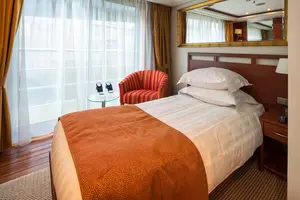

 1
1