Sunway Logo

Your Cookie & Data Settings

We use cookies to help you navigate efficiently and perform certain functions.

The cookies that are categorized as "Necessary" are stored on your browser as they are essential for enabling the basic functionalities of the site.

We also use third-party cookies that help us analyze how you use this website, store your preferences, and provide the content and advertisements that are relevant to you. These cookies will only be stored in your browser with your prior consent.

You can choose to enable or disable some or all of these cookies, but disabling some of them may affect your browsing experience.

Necessary Cookies Always Active
Advertising User Data
Advertising Personalisation
Advertising Storage
Analytics Storage


Capital Cities of the Danube/S.S. Emilie
Cruise Holidays   >   Cruise Companies   >   UNIWORLD Boutique River Cruises   >   S.S. Emilie   >   Capital Cities of the Danube

S.S. Emilie

Capital Cities of the Danube - 7 night cruise


Cruise only from €2,682

Price based on lowest available cruise only fare for double occupancy. Subject to change at any time.


Description

Gratuities

Dates and Prices

Cabins

Built in celebration of Uniworld's 50th Anniversary, the S.S. Emilie is our newest member of our Super Ship fleet – and one of our most artistically expressive to date. Debuting on the Danube River in 2026 before expanding to other iconic European rivers from 2027, she marks a new chapter for Uniworld, where fine art, European heritage and contemporary river luxury come together effortlessly.

The story of the S.S. Emilie begins in Vienna at the turn of the 20th century, a time of artistic rebellion, decorative richness and modern thinking. Inspired by the work of Gustav Klimt, whose unmistakable style reshaped the art world, the ship is named in honour of his muse, Emilie Flöge. A pioneering designer in her own right, Flöge embodied creativity, confidence and individuality – qualities that feel intrinsically aligned with Uniworld's design philosophy.

Throughout the ship, this inspiration is expressed through mood and detail rather than literal interpretation. Dramatic colour palettes, flowing Art Nouveau forms and luminous accents of gold subtly echo the visual language of Klimt's most celebrated works. The result is an atmosphere that feels layered and expressive yet distinctly contemporary – elegant, immersive and unmistakably Uniworld.

When she begins sailing the Danube River in 2026, the S.S. Emilie will offer a refined perspective on some of Europe's most enchanting destinations. Imperial cities reveal their grandeur from the water, storybook riverside towns unfold at a gentler pace, and ever-changing landscapes are framed like living works of art through expansive windows. From 2027, this experience will extend to other legendary European rivers, allowing guests to explore even more of the continent in the same artfully designed surroundings.

Cruise ID: 68191

Gratuities for onboard personnel (ship staff, crew, Cruise/Tour Manager) are included during the cruise/tour.

Date Time Price * Booking
02 August 2026 €2,926 Call us to book
09 August 2026 €3,840 Call us to book
27 September 2026 €6,279 Call us to book
04 October 2026 €7,011 Call us to book
25 October 2026 €2,926 Call us to book
01 November 2026 €2,682 Call us to book
16 May 2027 €3,048 Call us to book
23 May 2027 €4,633 Call us to book
13 June 2027 €4,389 Call us to book
20 June 2027 €4,389 Call us to book
11 July 2027 €3,718 Call us to book
18 July 2027 €4,145 Call us to book
08 August 2027 €3,048 Call us to book
15 August 2027 €4,145 Call us to book
03 October 2027 €4,694 Call us to book
10 October 2027 €3,048 Call us to book
31 October 2027 €4,084 Call us to book
07 November 2027 €3,657 Call us to book
26 March 2028 €3,718 Call us to book
02 April 2028 €4,206 Call us to book
09 April 2028 €4,206 Call us to book
30 April 2028 €4,694 Call us to book
21 May 2028 €4,694 Call us to book
11 June 2028 €4,694 Call us to book
02 July 2028 €4,206 Call us to book
09 July 2028 €4,206 Call us to book
30 July 2028 €4,206 Call us to book
06 August 2028 €4,206 Call us to book
24 September 2028 €4,938 Call us to book
15 October 2028 €4,694 Call us to book
05 November 2028 €3,718 Call us to book
12 November 2028 €3,718 Call us to book

* Price based on lowest available cruise only fare for double occupancy. Subject to change at any time.

Cabins on S.S. Emilie

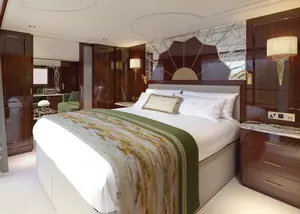
Deluxe French Balcony
1-2

Luxurious riverview stateroom (194 sq ft - 18 sq m) with a French balcony

Handcrafted Savoir® Beds of England, built-in closet, hair dryer, safe, individual thermostat, flat-screen TV with infotainment center

Marble bathroom with Asprey bath and body products, plush towels, towel warmer, heated mirror, backlit magnifying mirror, comfortable bathrobes and slippers

Facilities

  • Double
  • Shower
  • Toiletries Provided
  • TV
  • Safe
  • Hair Dryer
  • Room Service Available
  • Telephone
  • Desk
  • Media/Entertainment Station
  • Air Conditioning

Grand Suite
1-2

Luxurious riverview grand suite (412 sq ft - 38.25 sq m)

Grand suites include handcrafted Savoir® Beds of England, built-in closets, hair dryer, safe, individual thermostat and flat-screen TV with infotainment center

Marble bathroom with Asprey bath and body products, plush towels, towel warmer, comfortable bathrobes and slippers, a rain shower and tub, backlit magnifying mirror, heated mirror and a secluded toilet area

Additional amenities and service include: in-suite butler service; packing and unpacking assistance; in-room breakfast; daily fruit and cookie plate, and an elegant evening snack; Nespresso coffee machine and fine teas; fully stocked mini bar; bottle of wine upon arrival; shoe shine; and free laundry service

Facilities

  • Double
  • Shower
  • Toiletries Provided
  • Suite Benefits
  • Butler Service
  • TV
  • Coffee Machine
  • Safe
  • Hair Dryer
  • Telephone
  • Desk
  • Bath
  • Lounge Area
  • Room Service Available
  • Free Mini Bar
  • Media/Entertainment Station
  • Air Conditioning

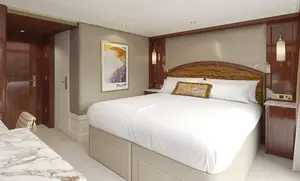
Classic
1-2

Luxurious riverview stateroom (175 sq ft - 16.25 sq m)

Handcrafted Savoir® Beds of England, built-in closet, hair dryer, safe, individual thermostat, flat-screen TV with infotainment center

Marble bathroom with Asprey bath and body products, plush towels, towel warmer, heated mirror, backlit magnifying mirror, comfortable bathrobes and slippers

Facilities

  • Double
  • Shower
  • Toiletries Provided
  • TV
  • Safe
  • Hair Dryer
  • Room Service Available
  • Telephone
  • Desk
  • Lounge Area
  • Media/Entertainment Station
  • Air Conditioning

French Balcony
1-2

Luxurious riverview stateroom (194 - 227 sq ft / 18 - 21 sq m) with a French balcony

Handcrafted Savoir® Beds of England, built-in closet, hair dryer, safe, individual thermostat, flat-screen TV with infotainment center

Marble bathroom with Asprey bath and body products, plush towels, towel warmer, heated mirror, backlit magnifying mirror, comfortable bathrobes and slippers

Facilities

  • Double
  • Shower
  • Toiletries Provided
  • TV
  • Safe
  • Hair Dryer
  • Room Service Available
  • Telephone
  • Desk
  • Lounge Area
  • Media/Entertainment Station
  • Air Conditioning

Suite
1-2

Luxurious riverview suite (286 sq ft - 26.5 sq m)

Handcrafted Savoir® Beds of England, built-in closets, hair dryer, safe, individual thermostat and flat-screen TV with infotainment center

Marble bathroom with Asprey bath and body products, plush towels, towel warmers, backlit magnifying mirror, heated mirrors, comfortable bathrobes and slippers

Additional amenities and services include in-suite butler service, packing and unpacking assistance, in-room breakfast, daily fruit and cookie plate and an elegant evening snack, Nespresso coffee machine and fine teas, fully stocked mini bar, bottle of wine upon request, shoeshine, and free laundry service

Facilities

  • Double
  • Shower
  • Toiletries Provided
  • Suite Benefits
  • Butler Service
  • TV
  • Coffee Machine
  • Safe
  • Hair Dryer
  • Room Service Available
  • Telephone
  • Desk
  • Lounge Area
  • Vanity Area
  • Free Mini Bar
  • Media/Entertainment Station
  • Air Conditioning

1/23

View Itinerary By Date


Day 1 Vienna, Austria

Vienna is the capital and largest city of Austria. Located on the Danube River in the East of the country, the city is renowned for its strong music heritage and rich culture, and is the largest German speaking city in the world, outside of Berlin. In 2001, Vienna was designated a UNESCO World Heritage Site and boasts magnificent architecture. The city is home to over 27 castles and 150 palaces including the symbolic Gothic St Stephen's Cathedral and the iconic Schönbrunn Palace. Art and music are in abundance and all tastes are catered for. Live music venues offer everything from Rock to Opera. Enjoy world class performances at Vienna State Opera and experience the epicentre of international concert life at Musikverein. Modern and historical art can be found in indoor and outdoor spaces around the city, and a visit to the famous Kunsthistorisches Museum (KHM) is highly recommended. Enjoy views of the city from the Danube Tower and the Giant Ferris Wheel, then relax in the ample cosy coffee houses, cafes, bars and restaurants where traditional and international cuisines are served, as well as the locally produced wines.

Day 2 Vienna, Austria

Vienna is the capital and largest city of Austria. Located on the Danube River in the East of the country, the city is renowned for its strong music heritage and rich culture, and is the largest German speaking city in the world, outside of Berlin. In 2001, Vienna was designated a UNESCO World Heritage Site and boasts magnificent architecture. The city is home to over 27 castles and 150 palaces including the symbolic Gothic St Stephen's Cathedral and the iconic Schönbrunn Palace. Art and music are in abundance and all tastes are catered for. Live music venues offer everything from Rock to Opera. Enjoy world class performances at Vienna State Opera and experience the epicentre of international concert life at Musikverein. Modern and historical art can be found in indoor and outdoor spaces around the city, and a visit to the famous Kunsthistorisches Museum (KHM) is highly recommended. Enjoy views of the city from the Danube Tower and the Giant Ferris Wheel, then relax in the ample cosy coffee houses, cafes, bars and restaurants where traditional and international cuisines are served, as well as the locally produced wines.

Day 3 Bratislava, Slovakia

Bratislava is the capital city of Slovakia and is located along the Danube a river on the borders of Austria and Hungary. The city is surrounded by the Little Carpathians Mountains and vineyards as well as its iconic reconstructed Bratislava Castle overlooking Old Town. The castle offers a picturesque view of the city, the neighbouring countries and is home to the Museum of History. Bratislava offers a blend of historic and modern attractions including the Old Town Hall, now home to the Bratislava City Museum, the UFO Bridge, Martin's Cathedral, Michael's Gate and Blue Church St Elizabeth's. Bratislava is home to one of the oldest city parks in Central Europe and is popular with walkers, runners and cyclists as is the city forest park and foothills of the Carpathian Mountains. The city is popular for its locally brewed beers and has many micro-breweries and underground beer cellars. The local cuisine of Bratislava is an eclectic influence of European cultures including Slovak, Hungarian, Austrian and German and serves as a reminder of the history of this cosmopolitan city. However, visitors will find an array of offerings to suit all tastes with lunch being the main meal of the day and roast goose with lokse considered a signature dish of the area.

Day 4 Budapest, Hungary

Budapest is the capital city of Hungary and is located over the River Danube. It is one of the largest cities in the European Union and much of its historical sites have been awarded UNESCO World Heritage Site status. Originally formed in 1873 by the joining of Buda, Pest and Old Buda, the city suffered heavy destruction during World War II and was rebuilt into the country's political, cultural and commercial hub it is now. Bridges and railways connect the city over the Danube, including the six small islands situated on the river themselves. Some of Budapest's UNESCO World Heritage sites include Chain Bridge, Budapest Parliament, the striking Matthias church and the iconic Royal Palace visible from every location within Budapest City. The Castle Hills district architecture represents over a thousand years of the city's history with examples of Roman, Turkish, Gothic, Renaissance and Art Nouveau styles. Budapest also has a rich Jewish heritage and is home to the largest synagogue in Europe. The city has an abundance of restaurants offering international cuisines, as well as traditional Hungarian dishes ,including goulash soup, a very popular lunchtime dish. Hungarians enjoy their coffee so a traditional cafe is never hard to find.

Day 5 Ilok, Croatia

Day 6 Novi Sad, Serbia

Day 7 Belgrade, Serbia

Day 8 Belgrade, Serbia

Day 1 Belgrade, Serbia

Day 2 Belgrade, Serbia

Day 3 Novi Sad, Serbia

Day 4 Ilok, Croatia

Day 5 Budapest, Hungary

Budapest is the capital city of Hungary and is located over the River Danube. It is one of the largest cities in the European Union and much of its historical sites have been awarded UNESCO World Heritage Site status. Originally formed in 1873 by the joining of Buda, Pest and Old Buda, the city suffered heavy destruction during World War II and was rebuilt into the country's political, cultural and commercial hub it is now. Bridges and railways connect the city over the Danube, including the six small islands situated on the river themselves. Some of Budapest's UNESCO World Heritage sites include Chain Bridge, Budapest Parliament, the striking Matthias church and the iconic Royal Palace visible from every location within Budapest City. The Castle Hills district architecture represents over a thousand years of the city's history with examples of Roman, Turkish, Gothic, Renaissance and Art Nouveau styles. Budapest also has a rich Jewish heritage and is home to the largest synagogue in Europe. The city has an abundance of restaurants offering international cuisines, as well as traditional Hungarian dishes ,including goulash soup, a very popular lunchtime dish. Hungarians enjoy their coffee so a traditional cafe is never hard to find.

Day 6 Bratislava, Slovakia

Bratislava is the capital city of Slovakia and is located along the Danube a river on the borders of Austria and Hungary. The city is surrounded by the Little Carpathians Mountains and vineyards as well as its iconic reconstructed Bratislava Castle overlooking Old Town. The castle offers a picturesque view of the city, the neighbouring countries and is home to the Museum of History. Bratislava offers a blend of historic and modern attractions including the Old Town Hall, now home to the Bratislava City Museum, the UFO Bridge, Martin's Cathedral, Michael's Gate and Blue Church St Elizabeth's. Bratislava is home to one of the oldest city parks in Central Europe and is popular with walkers, runners and cyclists as is the city forest park and foothills of the Carpathian Mountains. The city is popular for its locally brewed beers and has many micro-breweries and underground beer cellars. The local cuisine of Bratislava is an eclectic influence of European cultures including Slovak, Hungarian, Austrian and German and serves as a reminder of the history of this cosmopolitan city. However, visitors will find an array of offerings to suit all tastes with lunch being the main meal of the day and roast goose with lokse considered a signature dish of the area.

Day 7 Vienna, Austria

Vienna is the capital and largest city of Austria. Located on the Danube River in the East of the country, the city is renowned for its strong music heritage and rich culture, and is the largest German speaking city in the world, outside of Berlin. In 2001, Vienna was designated a UNESCO World Heritage Site and boasts magnificent architecture. The city is home to over 27 castles and 150 palaces including the symbolic Gothic St Stephen's Cathedral and the iconic Schönbrunn Palace. Art and music are in abundance and all tastes are catered for. Live music venues offer everything from Rock to Opera. Enjoy world class performances at Vienna State Opera and experience the epicentre of international concert life at Musikverein. Modern and historical art can be found in indoor and outdoor spaces around the city, and a visit to the famous Kunsthistorisches Museum (KHM) is highly recommended. Enjoy views of the city from the Danube Tower and the Giant Ferris Wheel, then relax in the ample cosy coffee houses, cafes, bars and restaurants where traditional and international cuisines are served, as well as the locally produced wines.

Day 8 Vienna, Austria

Vienna is the capital and largest city of Austria. Located on the Danube River in the East of the country, the city is renowned for its strong music heritage and rich culture, and is the largest German speaking city in the world, outside of Berlin. In 2001, Vienna was designated a UNESCO World Heritage Site and boasts magnificent architecture. The city is home to over 27 castles and 150 palaces including the symbolic Gothic St Stephen's Cathedral and the iconic Schönbrunn Palace. Art and music are in abundance and all tastes are catered for. Live music venues offer everything from Rock to Opera. Enjoy world class performances at Vienna State Opera and experience the epicentre of international concert life at Musikverein. Modern and historical art can be found in indoor and outdoor spaces around the city, and a visit to the famous Kunsthistorisches Museum (KHM) is highly recommended. Enjoy views of the city from the Danube Tower and the Giant Ferris Wheel, then relax in the ample cosy coffee houses, cafes, bars and restaurants where traditional and international cuisines are served, as well as the locally produced wines.

Day 1 Vienna, Austria

Vienna is the capital and largest city of Austria. Located on the Danube River in the East of the country, the city is renowned for its strong music heritage and rich culture, and is the largest German speaking city in the world, outside of Berlin. In 2001, Vienna was designated a UNESCO World Heritage Site and boasts magnificent architecture. The city is home to over 27 castles and 150 palaces including the symbolic Gothic St Stephen's Cathedral and the iconic Schönbrunn Palace. Art and music are in abundance and all tastes are catered for. Live music venues offer everything from Rock to Opera. Enjoy world class performances at Vienna State Opera and experience the epicentre of international concert life at Musikverein. Modern and historical art can be found in indoor and outdoor spaces around the city, and a visit to the famous Kunsthistorisches Museum (KHM) is highly recommended. Enjoy views of the city from the Danube Tower and the Giant Ferris Wheel, then relax in the ample cosy coffee houses, cafes, bars and restaurants where traditional and international cuisines are served, as well as the locally produced wines.

Day 2 Vienna, Austria

Vienna is the capital and largest city of Austria. Located on the Danube River in the East of the country, the city is renowned for its strong music heritage and rich culture, and is the largest German speaking city in the world, outside of Berlin. In 2001, Vienna was designated a UNESCO World Heritage Site and boasts magnificent architecture. The city is home to over 27 castles and 150 palaces including the symbolic Gothic St Stephen's Cathedral and the iconic Schönbrunn Palace. Art and music are in abundance and all tastes are catered for. Live music venues offer everything from Rock to Opera. Enjoy world class performances at Vienna State Opera and experience the epicentre of international concert life at Musikverein. Modern and historical art can be found in indoor and outdoor spaces around the city, and a visit to the famous Kunsthistorisches Museum (KHM) is highly recommended. Enjoy views of the city from the Danube Tower and the Giant Ferris Wheel, then relax in the ample cosy coffee houses, cafes, bars and restaurants where traditional and international cuisines are served, as well as the locally produced wines.

Day 3 Bratislava, Slovakia

Bratislava is the capital city of Slovakia and is located along the Danube a river on the borders of Austria and Hungary. The city is surrounded by the Little Carpathians Mountains and vineyards as well as its iconic reconstructed Bratislava Castle overlooking Old Town. The castle offers a picturesque view of the city, the neighbouring countries and is home to the Museum of History. Bratislava offers a blend of historic and modern attractions including the Old Town Hall, now home to the Bratislava City Museum, the UFO Bridge, Martin's Cathedral, Michael's Gate and Blue Church St Elizabeth's. Bratislava is home to one of the oldest city parks in Central Europe and is popular with walkers, runners and cyclists as is the city forest park and foothills of the Carpathian Mountains. The city is popular for its locally brewed beers and has many micro-breweries and underground beer cellars. The local cuisine of Bratislava is an eclectic influence of European cultures including Slovak, Hungarian, Austrian and German and serves as a reminder of the history of this cosmopolitan city. However, visitors will find an array of offerings to suit all tastes with lunch being the main meal of the day and roast goose with lokse considered a signature dish of the area.

Day 4 Budapest, Hungary

Budapest is the capital city of Hungary and is located over the River Danube. It is one of the largest cities in the European Union and much of its historical sites have been awarded UNESCO World Heritage Site status. Originally formed in 1873 by the joining of Buda, Pest and Old Buda, the city suffered heavy destruction during World War II and was rebuilt into the country's political, cultural and commercial hub it is now. Bridges and railways connect the city over the Danube, including the six small islands situated on the river themselves. Some of Budapest's UNESCO World Heritage sites include Chain Bridge, Budapest Parliament, the striking Matthias church and the iconic Royal Palace visible from every location within Budapest City. The Castle Hills district architecture represents over a thousand years of the city's history with examples of Roman, Turkish, Gothic, Renaissance and Art Nouveau styles. Budapest also has a rich Jewish heritage and is home to the largest synagogue in Europe. The city has an abundance of restaurants offering international cuisines, as well as traditional Hungarian dishes ,including goulash soup, a very popular lunchtime dish. Hungarians enjoy their coffee so a traditional cafe is never hard to find.

Day 5 Ilok, Croatia

Day 6 Novi Sad, Serbia

Day 7 Belgrade, Serbia

Day 8 Belgrade, Serbia

Day 1 Belgrade, Serbia

Day 2 Belgrade, Serbia

Day 3 Novi Sad, Serbia

Day 4 Ilok, Croatia

Day 5 Budapest, Hungary

Budapest is the capital city of Hungary and is located over the River Danube. It is one of the largest cities in the European Union and much of its historical sites have been awarded UNESCO World Heritage Site status. Originally formed in 1873 by the joining of Buda, Pest and Old Buda, the city suffered heavy destruction during World War II and was rebuilt into the country's political, cultural and commercial hub it is now. Bridges and railways connect the city over the Danube, including the six small islands situated on the river themselves. Some of Budapest's UNESCO World Heritage sites include Chain Bridge, Budapest Parliament, the striking Matthias church and the iconic Royal Palace visible from every location within Budapest City. The Castle Hills district architecture represents over a thousand years of the city's history with examples of Roman, Turkish, Gothic, Renaissance and Art Nouveau styles. Budapest also has a rich Jewish heritage and is home to the largest synagogue in Europe. The city has an abundance of restaurants offering international cuisines, as well as traditional Hungarian dishes ,including goulash soup, a very popular lunchtime dish. Hungarians enjoy their coffee so a traditional cafe is never hard to find.

Day 6 Bratislava, Slovakia

Bratislava is the capital city of Slovakia and is located along the Danube a river on the borders of Austria and Hungary. The city is surrounded by the Little Carpathians Mountains and vineyards as well as its iconic reconstructed Bratislava Castle overlooking Old Town. The castle offers a picturesque view of the city, the neighbouring countries and is home to the Museum of History. Bratislava offers a blend of historic and modern attractions including the Old Town Hall, now home to the Bratislava City Museum, the UFO Bridge, Martin's Cathedral, Michael's Gate and Blue Church St Elizabeth's. Bratislava is home to one of the oldest city parks in Central Europe and is popular with walkers, runners and cyclists as is the city forest park and foothills of the Carpathian Mountains. The city is popular for its locally brewed beers and has many micro-breweries and underground beer cellars. The local cuisine of Bratislava is an eclectic influence of European cultures including Slovak, Hungarian, Austrian and German and serves as a reminder of the history of this cosmopolitan city. However, visitors will find an array of offerings to suit all tastes with lunch being the main meal of the day and roast goose with lokse considered a signature dish of the area.

Day 7 Vienna, Austria

Vienna is the capital and largest city of Austria. Located on the Danube River in the East of the country, the city is renowned for its strong music heritage and rich culture, and is the largest German speaking city in the world, outside of Berlin. In 2001, Vienna was designated a UNESCO World Heritage Site and boasts magnificent architecture. The city is home to over 27 castles and 150 palaces including the symbolic Gothic St Stephen's Cathedral and the iconic Schönbrunn Palace. Art and music are in abundance and all tastes are catered for. Live music venues offer everything from Rock to Opera. Enjoy world class performances at Vienna State Opera and experience the epicentre of international concert life at Musikverein. Modern and historical art can be found in indoor and outdoor spaces around the city, and a visit to the famous Kunsthistorisches Museum (KHM) is highly recommended. Enjoy views of the city from the Danube Tower and the Giant Ferris Wheel, then relax in the ample cosy coffee houses, cafes, bars and restaurants where traditional and international cuisines are served, as well as the locally produced wines.

Day 8 Vienna, Austria

Vienna is the capital and largest city of Austria. Located on the Danube River in the East of the country, the city is renowned for its strong music heritage and rich culture, and is the largest German speaking city in the world, outside of Berlin. In 2001, Vienna was designated a UNESCO World Heritage Site and boasts magnificent architecture. The city is home to over 27 castles and 150 palaces including the symbolic Gothic St Stephen's Cathedral and the iconic Schönbrunn Palace. Art and music are in abundance and all tastes are catered for. Live music venues offer everything from Rock to Opera. Enjoy world class performances at Vienna State Opera and experience the epicentre of international concert life at Musikverein. Modern and historical art can be found in indoor and outdoor spaces around the city, and a visit to the famous Kunsthistorisches Museum (KHM) is highly recommended. Enjoy views of the city from the Danube Tower and the Giant Ferris Wheel, then relax in the ample cosy coffee houses, cafes, bars and restaurants where traditional and international cuisines are served, as well as the locally produced wines.

Day 1 Vienna, Austria

Vienna is the capital and largest city of Austria. Located on the Danube River in the East of the country, the city is renowned for its strong music heritage and rich culture, and is the largest German speaking city in the world, outside of Berlin. In 2001, Vienna was designated a UNESCO World Heritage Site and boasts magnificent architecture. The city is home to over 27 castles and 150 palaces including the symbolic Gothic St Stephen's Cathedral and the iconic Schönbrunn Palace. Art and music are in abundance and all tastes are catered for. Live music venues offer everything from Rock to Opera. Enjoy world class performances at Vienna State Opera and experience the epicentre of international concert life at Musikverein. Modern and historical art can be found in indoor and outdoor spaces around the city, and a visit to the famous Kunsthistorisches Museum (KHM) is highly recommended. Enjoy views of the city from the Danube Tower and the Giant Ferris Wheel, then relax in the ample cosy coffee houses, cafes, bars and restaurants where traditional and international cuisines are served, as well as the locally produced wines.

Day 2 Vienna, Austria

Vienna is the capital and largest city of Austria. Located on the Danube River in the East of the country, the city is renowned for its strong music heritage and rich culture, and is the largest German speaking city in the world, outside of Berlin. In 2001, Vienna was designated a UNESCO World Heritage Site and boasts magnificent architecture. The city is home to over 27 castles and 150 palaces including the symbolic Gothic St Stephen's Cathedral and the iconic Schönbrunn Palace. Art and music are in abundance and all tastes are catered for. Live music venues offer everything from Rock to Opera. Enjoy world class performances at Vienna State Opera and experience the epicentre of international concert life at Musikverein. Modern and historical art can be found in indoor and outdoor spaces around the city, and a visit to the famous Kunsthistorisches Museum (KHM) is highly recommended. Enjoy views of the city from the Danube Tower and the Giant Ferris Wheel, then relax in the ample cosy coffee houses, cafes, bars and restaurants where traditional and international cuisines are served, as well as the locally produced wines.

Day 3 Bratislava, Slovakia

Bratislava is the capital city of Slovakia and is located along the Danube a river on the borders of Austria and Hungary. The city is surrounded by the Little Carpathians Mountains and vineyards as well as its iconic reconstructed Bratislava Castle overlooking Old Town. The castle offers a picturesque view of the city, the neighbouring countries and is home to the Museum of History. Bratislava offers a blend of historic and modern attractions including the Old Town Hall, now home to the Bratislava City Museum, the UFO Bridge, Martin's Cathedral, Michael's Gate and Blue Church St Elizabeth's. Bratislava is home to one of the oldest city parks in Central Europe and is popular with walkers, runners and cyclists as is the city forest park and foothills of the Carpathian Mountains. The city is popular for its locally brewed beers and has many micro-breweries and underground beer cellars. The local cuisine of Bratislava is an eclectic influence of European cultures including Slovak, Hungarian, Austrian and German and serves as a reminder of the history of this cosmopolitan city. However, visitors will find an array of offerings to suit all tastes with lunch being the main meal of the day and roast goose with lokse considered a signature dish of the area.

Day 4 Budapest, Hungary

Budapest is the capital city of Hungary and is located over the River Danube. It is one of the largest cities in the European Union and much of its historical sites have been awarded UNESCO World Heritage Site status. Originally formed in 1873 by the joining of Buda, Pest and Old Buda, the city suffered heavy destruction during World War II and was rebuilt into the country's political, cultural and commercial hub it is now. Bridges and railways connect the city over the Danube, including the six small islands situated on the river themselves. Some of Budapest's UNESCO World Heritage sites include Chain Bridge, Budapest Parliament, the striking Matthias church and the iconic Royal Palace visible from every location within Budapest City. The Castle Hills district architecture represents over a thousand years of the city's history with examples of Roman, Turkish, Gothic, Renaissance and Art Nouveau styles. Budapest also has a rich Jewish heritage and is home to the largest synagogue in Europe. The city has an abundance of restaurants offering international cuisines, as well as traditional Hungarian dishes ,including goulash soup, a very popular lunchtime dish. Hungarians enjoy their coffee so a traditional cafe is never hard to find.

Day 5 Ilok, Croatia

Day 6 Novi Sad, Serbia

Day 7 Belgrade, Serbia

Day 8 Belgrade, Serbia

Day 1 Belgrade, Serbia

Day 2 Belgrade, Serbia

Day 3 Novi Sad, Serbia

Day 4 Ilok, Croatia

Day 5 Budapest, Hungary

Budapest is the capital city of Hungary and is located over the River Danube. It is one of the largest cities in the European Union and much of its historical sites have been awarded UNESCO World Heritage Site status. Originally formed in 1873 by the joining of Buda, Pest and Old Buda, the city suffered heavy destruction during World War II and was rebuilt into the country's political, cultural and commercial hub it is now. Bridges and railways connect the city over the Danube, including the six small islands situated on the river themselves. Some of Budapest's UNESCO World Heritage sites include Chain Bridge, Budapest Parliament, the striking Matthias church and the iconic Royal Palace visible from every location within Budapest City. The Castle Hills district architecture represents over a thousand years of the city's history with examples of Roman, Turkish, Gothic, Renaissance and Art Nouveau styles. Budapest also has a rich Jewish heritage and is home to the largest synagogue in Europe. The city has an abundance of restaurants offering international cuisines, as well as traditional Hungarian dishes ,including goulash soup, a very popular lunchtime dish. Hungarians enjoy their coffee so a traditional cafe is never hard to find.

Day 6 Bratislava, Slovakia

Bratislava is the capital city of Slovakia and is located along the Danube a river on the borders of Austria and Hungary. The city is surrounded by the Little Carpathians Mountains and vineyards as well as its iconic reconstructed Bratislava Castle overlooking Old Town. The castle offers a picturesque view of the city, the neighbouring countries and is home to the Museum of History. Bratislava offers a blend of historic and modern attractions including the Old Town Hall, now home to the Bratislava City Museum, the UFO Bridge, Martin's Cathedral, Michael's Gate and Blue Church St Elizabeth's. Bratislava is home to one of the oldest city parks in Central Europe and is popular with walkers, runners and cyclists as is the city forest park and foothills of the Carpathian Mountains. The city is popular for its locally brewed beers and has many micro-breweries and underground beer cellars. The local cuisine of Bratislava is an eclectic influence of European cultures including Slovak, Hungarian, Austrian and German and serves as a reminder of the history of this cosmopolitan city. However, visitors will find an array of offerings to suit all tastes with lunch being the main meal of the day and roast goose with lokse considered a signature dish of the area.

Day 7 Vienna, Austria

Vienna is the capital and largest city of Austria. Located on the Danube River in the East of the country, the city is renowned for its strong music heritage and rich culture, and is the largest German speaking city in the world, outside of Berlin. In 2001, Vienna was designated a UNESCO World Heritage Site and boasts magnificent architecture. The city is home to over 27 castles and 150 palaces including the symbolic Gothic St Stephen's Cathedral and the iconic Schönbrunn Palace. Art and music are in abundance and all tastes are catered for. Live music venues offer everything from Rock to Opera. Enjoy world class performances at Vienna State Opera and experience the epicentre of international concert life at Musikverein. Modern and historical art can be found in indoor and outdoor spaces around the city, and a visit to the famous Kunsthistorisches Museum (KHM) is highly recommended. Enjoy views of the city from the Danube Tower and the Giant Ferris Wheel, then relax in the ample cosy coffee houses, cafes, bars and restaurants where traditional and international cuisines are served, as well as the locally produced wines.

Day 8 Vienna, Austria

Vienna is the capital and largest city of Austria. Located on the Danube River in the East of the country, the city is renowned for its strong music heritage and rich culture, and is the largest German speaking city in the world, outside of Berlin. In 2001, Vienna was designated a UNESCO World Heritage Site and boasts magnificent architecture. The city is home to over 27 castles and 150 palaces including the symbolic Gothic St Stephen's Cathedral and the iconic Schönbrunn Palace. Art and music are in abundance and all tastes are catered for. Live music venues offer everything from Rock to Opera. Enjoy world class performances at Vienna State Opera and experience the epicentre of international concert life at Musikverein. Modern and historical art can be found in indoor and outdoor spaces around the city, and a visit to the famous Kunsthistorisches Museum (KHM) is highly recommended. Enjoy views of the city from the Danube Tower and the Giant Ferris Wheel, then relax in the ample cosy coffee houses, cafes, bars and restaurants where traditional and international cuisines are served, as well as the locally produced wines.

Day 1 Vienna, Austria

Vienna is the capital and largest city of Austria. Located on the Danube River in the East of the country, the city is renowned for its strong music heritage and rich culture, and is the largest German speaking city in the world, outside of Berlin. In 2001, Vienna was designated a UNESCO World Heritage Site and boasts magnificent architecture. The city is home to over 27 castles and 150 palaces including the symbolic Gothic St Stephen's Cathedral and the iconic Schönbrunn Palace. Art and music are in abundance and all tastes are catered for. Live music venues offer everything from Rock to Opera. Enjoy world class performances at Vienna State Opera and experience the epicentre of international concert life at Musikverein. Modern and historical art can be found in indoor and outdoor spaces around the city, and a visit to the famous Kunsthistorisches Museum (KHM) is highly recommended. Enjoy views of the city from the Danube Tower and the Giant Ferris Wheel, then relax in the ample cosy coffee houses, cafes, bars and restaurants where traditional and international cuisines are served, as well as the locally produced wines.

Day 2 Vienna, Austria

Vienna is the capital and largest city of Austria. Located on the Danube River in the East of the country, the city is renowned for its strong music heritage and rich culture, and is the largest German speaking city in the world, outside of Berlin. In 2001, Vienna was designated a UNESCO World Heritage Site and boasts magnificent architecture. The city is home to over 27 castles and 150 palaces including the symbolic Gothic St Stephen's Cathedral and the iconic Schönbrunn Palace. Art and music are in abundance and all tastes are catered for. Live music venues offer everything from Rock to Opera. Enjoy world class performances at Vienna State Opera and experience the epicentre of international concert life at Musikverein. Modern and historical art can be found in indoor and outdoor spaces around the city, and a visit to the famous Kunsthistorisches Museum (KHM) is highly recommended. Enjoy views of the city from the Danube Tower and the Giant Ferris Wheel, then relax in the ample cosy coffee houses, cafes, bars and restaurants where traditional and international cuisines are served, as well as the locally produced wines.

Day 3 Bratislava, Slovakia

Bratislava is the capital city of Slovakia and is located along the Danube a river on the borders of Austria and Hungary. The city is surrounded by the Little Carpathians Mountains and vineyards as well as its iconic reconstructed Bratislava Castle overlooking Old Town. The castle offers a picturesque view of the city, the neighbouring countries and is home to the Museum of History. Bratislava offers a blend of historic and modern attractions including the Old Town Hall, now home to the Bratislava City Museum, the UFO Bridge, Martin's Cathedral, Michael's Gate and Blue Church St Elizabeth's. Bratislava is home to one of the oldest city parks in Central Europe and is popular with walkers, runners and cyclists as is the city forest park and foothills of the Carpathian Mountains. The city is popular for its locally brewed beers and has many micro-breweries and underground beer cellars. The local cuisine of Bratislava is an eclectic influence of European cultures including Slovak, Hungarian, Austrian and German and serves as a reminder of the history of this cosmopolitan city. However, visitors will find an array of offerings to suit all tastes with lunch being the main meal of the day and roast goose with lokse considered a signature dish of the area.

Day 4 Budapest, Hungary

Budapest is the capital city of Hungary and is located over the River Danube. It is one of the largest cities in the European Union and much of its historical sites have been awarded UNESCO World Heritage Site status. Originally formed in 1873 by the joining of Buda, Pest and Old Buda, the city suffered heavy destruction during World War II and was rebuilt into the country's political, cultural and commercial hub it is now. Bridges and railways connect the city over the Danube, including the six small islands situated on the river themselves. Some of Budapest's UNESCO World Heritage sites include Chain Bridge, Budapest Parliament, the striking Matthias church and the iconic Royal Palace visible from every location within Budapest City. The Castle Hills district architecture represents over a thousand years of the city's history with examples of Roman, Turkish, Gothic, Renaissance and Art Nouveau styles. Budapest also has a rich Jewish heritage and is home to the largest synagogue in Europe. The city has an abundance of restaurants offering international cuisines, as well as traditional Hungarian dishes ,including goulash soup, a very popular lunchtime dish. Hungarians enjoy their coffee so a traditional cafe is never hard to find.

Day 5 Ilok, Croatia

Day 6 Novi Sad, Serbia

Day 7 Belgrade, Serbia

Day 8 Belgrade, Serbia

Day 1 Belgrade, Serbia

Day 2 Belgrade, Serbia

Day 3 Novi Sad, Serbia

Day 4 Ilok, Croatia

Day 5 Budapest, Hungary

Budapest is the capital city of Hungary and is located over the River Danube. It is one of the largest cities in the European Union and much of its historical sites have been awarded UNESCO World Heritage Site status. Originally formed in 1873 by the joining of Buda, Pest and Old Buda, the city suffered heavy destruction during World War II and was rebuilt into the country's political, cultural and commercial hub it is now. Bridges and railways connect the city over the Danube, including the six small islands situated on the river themselves. Some of Budapest's UNESCO World Heritage sites include Chain Bridge, Budapest Parliament, the striking Matthias church and the iconic Royal Palace visible from every location within Budapest City. The Castle Hills district architecture represents over a thousand years of the city's history with examples of Roman, Turkish, Gothic, Renaissance and Art Nouveau styles. Budapest also has a rich Jewish heritage and is home to the largest synagogue in Europe. The city has an abundance of restaurants offering international cuisines, as well as traditional Hungarian dishes ,including goulash soup, a very popular lunchtime dish. Hungarians enjoy their coffee so a traditional cafe is never hard to find.

Day 6 Bratislava, Slovakia

Bratislava is the capital city of Slovakia and is located along the Danube a river on the borders of Austria and Hungary. The city is surrounded by the Little Carpathians Mountains and vineyards as well as its iconic reconstructed Bratislava Castle overlooking Old Town. The castle offers a picturesque view of the city, the neighbouring countries and is home to the Museum of History. Bratislava offers a blend of historic and modern attractions including the Old Town Hall, now home to the Bratislava City Museum, the UFO Bridge, Martin's Cathedral, Michael's Gate and Blue Church St Elizabeth's. Bratislava is home to one of the oldest city parks in Central Europe and is popular with walkers, runners and cyclists as is the city forest park and foothills of the Carpathian Mountains. The city is popular for its locally brewed beers and has many micro-breweries and underground beer cellars. The local cuisine of Bratislava is an eclectic influence of European cultures including Slovak, Hungarian, Austrian and German and serves as a reminder of the history of this cosmopolitan city. However, visitors will find an array of offerings to suit all tastes with lunch being the main meal of the day and roast goose with lokse considered a signature dish of the area.

Day 7 Vienna, Austria

Vienna is the capital and largest city of Austria. Located on the Danube River in the East of the country, the city is renowned for its strong music heritage and rich culture, and is the largest German speaking city in the world, outside of Berlin. In 2001, Vienna was designated a UNESCO World Heritage Site and boasts magnificent architecture. The city is home to over 27 castles and 150 palaces including the symbolic Gothic St Stephen's Cathedral and the iconic Schönbrunn Palace. Art and music are in abundance and all tastes are catered for. Live music venues offer everything from Rock to Opera. Enjoy world class performances at Vienna State Opera and experience the epicentre of international concert life at Musikverein. Modern and historical art can be found in indoor and outdoor spaces around the city, and a visit to the famous Kunsthistorisches Museum (KHM) is highly recommended. Enjoy views of the city from the Danube Tower and the Giant Ferris Wheel, then relax in the ample cosy coffee houses, cafes, bars and restaurants where traditional and international cuisines are served, as well as the locally produced wines.

Day 8 Vienna, Austria

Vienna is the capital and largest city of Austria. Located on the Danube River in the East of the country, the city is renowned for its strong music heritage and rich culture, and is the largest German speaking city in the world, outside of Berlin. In 2001, Vienna was designated a UNESCO World Heritage Site and boasts magnificent architecture. The city is home to over 27 castles and 150 palaces including the symbolic Gothic St Stephen's Cathedral and the iconic Schönbrunn Palace. Art and music are in abundance and all tastes are catered for. Live music venues offer everything from Rock to Opera. Enjoy world class performances at Vienna State Opera and experience the epicentre of international concert life at Musikverein. Modern and historical art can be found in indoor and outdoor spaces around the city, and a visit to the famous Kunsthistorisches Museum (KHM) is highly recommended. Enjoy views of the city from the Danube Tower and the Giant Ferris Wheel, then relax in the ample cosy coffee houses, cafes, bars and restaurants where traditional and international cuisines are served, as well as the locally produced wines.

Day 1 Vienna, Austria

Vienna is the capital and largest city of Austria. Located on the Danube River in the East of the country, the city is renowned for its strong music heritage and rich culture, and is the largest German speaking city in the world, outside of Berlin. In 2001, Vienna was designated a UNESCO World Heritage Site and boasts magnificent architecture. The city is home to over 27 castles and 150 palaces including the symbolic Gothic St Stephen's Cathedral and the iconic Schönbrunn Palace. Art and music are in abundance and all tastes are catered for. Live music venues offer everything from Rock to Opera. Enjoy world class performances at Vienna State Opera and experience the epicentre of international concert life at Musikverein. Modern and historical art can be found in indoor and outdoor spaces around the city, and a visit to the famous Kunsthistorisches Museum (KHM) is highly recommended. Enjoy views of the city from the Danube Tower and the Giant Ferris Wheel, then relax in the ample cosy coffee houses, cafes, bars and restaurants where traditional and international cuisines are served, as well as the locally produced wines.

Day 2 Vienna, Austria

Vienna is the capital and largest city of Austria. Located on the Danube River in the East of the country, the city is renowned for its strong music heritage and rich culture, and is the largest German speaking city in the world, outside of Berlin. In 2001, Vienna was designated a UNESCO World Heritage Site and boasts magnificent architecture. The city is home to over 27 castles and 150 palaces including the symbolic Gothic St Stephen's Cathedral and the iconic Schönbrunn Palace. Art and music are in abundance and all tastes are catered for. Live music venues offer everything from Rock to Opera. Enjoy world class performances at Vienna State Opera and experience the epicentre of international concert life at Musikverein. Modern and historical art can be found in indoor and outdoor spaces around the city, and a visit to the famous Kunsthistorisches Museum (KHM) is highly recommended. Enjoy views of the city from the Danube Tower and the Giant Ferris Wheel, then relax in the ample cosy coffee houses, cafes, bars and restaurants where traditional and international cuisines are served, as well as the locally produced wines.

Day 3 Bratislava, Slovakia

Bratislava is the capital city of Slovakia and is located along the Danube a river on the borders of Austria and Hungary. The city is surrounded by the Little Carpathians Mountains and vineyards as well as its iconic reconstructed Bratislava Castle overlooking Old Town. The castle offers a picturesque view of the city, the neighbouring countries and is home to the Museum of History. Bratislava offers a blend of historic and modern attractions including the Old Town Hall, now home to the Bratislava City Museum, the UFO Bridge, Martin's Cathedral, Michael's Gate and Blue Church St Elizabeth's. Bratislava is home to one of the oldest city parks in Central Europe and is popular with walkers, runners and cyclists as is the city forest park and foothills of the Carpathian Mountains. The city is popular for its locally brewed beers and has many micro-breweries and underground beer cellars. The local cuisine of Bratislava is an eclectic influence of European cultures including Slovak, Hungarian, Austrian and German and serves as a reminder of the history of this cosmopolitan city. However, visitors will find an array of offerings to suit all tastes with lunch being the main meal of the day and roast goose with lokse considered a signature dish of the area.

Day 4 Budapest, Hungary

Budapest is the capital city of Hungary and is located over the River Danube. It is one of the largest cities in the European Union and much of its historical sites have been awarded UNESCO World Heritage Site status. Originally formed in 1873 by the joining of Buda, Pest and Old Buda, the city suffered heavy destruction during World War II and was rebuilt into the country's political, cultural and commercial hub it is now. Bridges and railways connect the city over the Danube, including the six small islands situated on the river themselves. Some of Budapest's UNESCO World Heritage sites include Chain Bridge, Budapest Parliament, the striking Matthias church and the iconic Royal Palace visible from every location within Budapest City. The Castle Hills district architecture represents over a thousand years of the city's history with examples of Roman, Turkish, Gothic, Renaissance and Art Nouveau styles. Budapest also has a rich Jewish heritage and is home to the largest synagogue in Europe. The city has an abundance of restaurants offering international cuisines, as well as traditional Hungarian dishes ,including goulash soup, a very popular lunchtime dish. Hungarians enjoy their coffee so a traditional cafe is never hard to find.

Day 5 Ilok, Croatia

Day 6 Novi Sad, Serbia

Day 7 Belgrade, Serbia

Day 8 Belgrade, Serbia

Day 1 Belgrade, Serbia

Day 2 Belgrade, Serbia

Day 3 Novi Sad, Serbia

Day 4 Ilok, Croatia

Day 5 Budapest, Hungary

Budapest is the capital city of Hungary and is located over the River Danube. It is one of the largest cities in the European Union and much of its historical sites have been awarded UNESCO World Heritage Site status. Originally formed in 1873 by the joining of Buda, Pest and Old Buda, the city suffered heavy destruction during World War II and was rebuilt into the country's political, cultural and commercial hub it is now. Bridges and railways connect the city over the Danube, including the six small islands situated on the river themselves. Some of Budapest's UNESCO World Heritage sites include Chain Bridge, Budapest Parliament, the striking Matthias church and the iconic Royal Palace visible from every location within Budapest City. The Castle Hills district architecture represents over a thousand years of the city's history with examples of Roman, Turkish, Gothic, Renaissance and Art Nouveau styles. Budapest also has a rich Jewish heritage and is home to the largest synagogue in Europe. The city has an abundance of restaurants offering international cuisines, as well as traditional Hungarian dishes ,including goulash soup, a very popular lunchtime dish. Hungarians enjoy their coffee so a traditional cafe is never hard to find.

Day 6 Bratislava, Slovakia

Bratislava is the capital city of Slovakia and is located along the Danube a river on the borders of Austria and Hungary. The city is surrounded by the Little Carpathians Mountains and vineyards as well as its iconic reconstructed Bratislava Castle overlooking Old Town. The castle offers a picturesque view of the city, the neighbouring countries and is home to the Museum of History. Bratislava offers a blend of historic and modern attractions including the Old Town Hall, now home to the Bratislava City Museum, the UFO Bridge, Martin's Cathedral, Michael's Gate and Blue Church St Elizabeth's. Bratislava is home to one of the oldest city parks in Central Europe and is popular with walkers, runners and cyclists as is the city forest park and foothills of the Carpathian Mountains. The city is popular for its locally brewed beers and has many micro-breweries and underground beer cellars. The local cuisine of Bratislava is an eclectic influence of European cultures including Slovak, Hungarian, Austrian and German and serves as a reminder of the history of this cosmopolitan city. However, visitors will find an array of offerings to suit all tastes with lunch being the main meal of the day and roast goose with lokse considered a signature dish of the area.

Day 7 Vienna, Austria

Vienna is the capital and largest city of Austria. Located on the Danube River in the East of the country, the city is renowned for its strong music heritage and rich culture, and is the largest German speaking city in the world, outside of Berlin. In 2001, Vienna was designated a UNESCO World Heritage Site and boasts magnificent architecture. The city is home to over 27 castles and 150 palaces including the symbolic Gothic St Stephen's Cathedral and the iconic Schönbrunn Palace. Art and music are in abundance and all tastes are catered for. Live music venues offer everything from Rock to Opera. Enjoy world class performances at Vienna State Opera and experience the epicentre of international concert life at Musikverein. Modern and historical art can be found in indoor and outdoor spaces around the city, and a visit to the famous Kunsthistorisches Museum (KHM) is highly recommended. Enjoy views of the city from the Danube Tower and the Giant Ferris Wheel, then relax in the ample cosy coffee houses, cafes, bars and restaurants where traditional and international cuisines are served, as well as the locally produced wines.

Day 8 Vienna, Austria

Vienna is the capital and largest city of Austria. Located on the Danube River in the East of the country, the city is renowned for its strong music heritage and rich culture, and is the largest German speaking city in the world, outside of Berlin. In 2001, Vienna was designated a UNESCO World Heritage Site and boasts magnificent architecture. The city is home to over 27 castles and 150 palaces including the symbolic Gothic St Stephen's Cathedral and the iconic Schönbrunn Palace. Art and music are in abundance and all tastes are catered for. Live music venues offer everything from Rock to Opera. Enjoy world class performances at Vienna State Opera and experience the epicentre of international concert life at Musikverein. Modern and historical art can be found in indoor and outdoor spaces around the city, and a visit to the famous Kunsthistorisches Museum (KHM) is highly recommended. Enjoy views of the city from the Danube Tower and the Giant Ferris Wheel, then relax in the ample cosy coffee houses, cafes, bars and restaurants where traditional and international cuisines are served, as well as the locally produced wines.

Day 1 Vienna, Austria

Vienna is the capital and largest city of Austria. Located on the Danube River in the East of the country, the city is renowned for its strong music heritage and rich culture, and is the largest German speaking city in the world, outside of Berlin. In 2001, Vienna was designated a UNESCO World Heritage Site and boasts magnificent architecture. The city is home to over 27 castles and 150 palaces including the symbolic Gothic St Stephen's Cathedral and the iconic Schönbrunn Palace. Art and music are in abundance and all tastes are catered for. Live music venues offer everything from Rock to Opera. Enjoy world class performances at Vienna State Opera and experience the epicentre of international concert life at Musikverein. Modern and historical art can be found in indoor and outdoor spaces around the city, and a visit to the famous Kunsthistorisches Museum (KHM) is highly recommended. Enjoy views of the city from the Danube Tower and the Giant Ferris Wheel, then relax in the ample cosy coffee houses, cafes, bars and restaurants where traditional and international cuisines are served, as well as the locally produced wines.

Day 2 Vienna, Austria

Vienna is the capital and largest city of Austria. Located on the Danube River in the East of the country, the city is renowned for its strong music heritage and rich culture, and is the largest German speaking city in the world, outside of Berlin. In 2001, Vienna was designated a UNESCO World Heritage Site and boasts magnificent architecture. The city is home to over 27 castles and 150 palaces including the symbolic Gothic St Stephen's Cathedral and the iconic Schönbrunn Palace. Art and music are in abundance and all tastes are catered for. Live music venues offer everything from Rock to Opera. Enjoy world class performances at Vienna State Opera and experience the epicentre of international concert life at Musikverein. Modern and historical art can be found in indoor and outdoor spaces around the city, and a visit to the famous Kunsthistorisches Museum (KHM) is highly recommended. Enjoy views of the city from the Danube Tower and the Giant Ferris Wheel, then relax in the ample cosy coffee houses, cafes, bars and restaurants where traditional and international cuisines are served, as well as the locally produced wines.

Day 3 Bratislava, Slovakia

Bratislava is the capital city of Slovakia and is located along the Danube a river on the borders of Austria and Hungary. The city is surrounded by the Little Carpathians Mountains and vineyards as well as its iconic reconstructed Bratislava Castle overlooking Old Town. The castle offers a picturesque view of the city, the neighbouring countries and is home to the Museum of History. Bratislava offers a blend of historic and modern attractions including the Old Town Hall, now home to the Bratislava City Museum, the UFO Bridge, Martin's Cathedral, Michael's Gate and Blue Church St Elizabeth's. Bratislava is home to one of the oldest city parks in Central Europe and is popular with walkers, runners and cyclists as is the city forest park and foothills of the Carpathian Mountains. The city is popular for its locally brewed beers and has many micro-breweries and underground beer cellars. The local cuisine of Bratislava is an eclectic influence of European cultures including Slovak, Hungarian, Austrian and German and serves as a reminder of the history of this cosmopolitan city. However, visitors will find an array of offerings to suit all tastes with lunch being the main meal of the day and roast goose with lokse considered a signature dish of the area.

Day 4 Budapest, Hungary

Budapest is the capital city of Hungary and is located over the River Danube. It is one of the largest cities in the European Union and much of its historical sites have been awarded UNESCO World Heritage Site status. Originally formed in 1873 by the joining of Buda, Pest and Old Buda, the city suffered heavy destruction during World War II and was rebuilt into the country's political, cultural and commercial hub it is now. Bridges and railways connect the city over the Danube, including the six small islands situated on the river themselves. Some of Budapest's UNESCO World Heritage sites include Chain Bridge, Budapest Parliament, the striking Matthias church and the iconic Royal Palace visible from every location within Budapest City. The Castle Hills district architecture represents over a thousand years of the city's history with examples of Roman, Turkish, Gothic, Renaissance and Art Nouveau styles. Budapest also has a rich Jewish heritage and is home to the largest synagogue in Europe. The city has an abundance of restaurants offering international cuisines, as well as traditional Hungarian dishes ,including goulash soup, a very popular lunchtime dish. Hungarians enjoy their coffee so a traditional cafe is never hard to find.

Day 5 Ilok, Croatia

Day 6 Novi Sad, Serbia

Day 7 Belgrade, Serbia

Day 8 Belgrade, Serbia

Day 1 Belgrade, Serbia

Day 2 Belgrade, Serbia

Day 3 Novi Sad, Serbia

Day 4 Ilok, Croatia

Day 5 Budapest, Hungary

Budapest is the capital city of Hungary and is located over the River Danube. It is one of the largest cities in the European Union and much of its historical sites have been awarded UNESCO World Heritage Site status. Originally formed in 1873 by the joining of Buda, Pest and Old Buda, the city suffered heavy destruction during World War II and was rebuilt into the country's political, cultural and commercial hub it is now. Bridges and railways connect the city over the Danube, including the six small islands situated on the river themselves. Some of Budapest's UNESCO World Heritage sites include Chain Bridge, Budapest Parliament, the striking Matthias church and the iconic Royal Palace visible from every location within Budapest City. The Castle Hills district architecture represents over a thousand years of the city's history with examples of Roman, Turkish, Gothic, Renaissance and Art Nouveau styles. Budapest also has a rich Jewish heritage and is home to the largest synagogue in Europe. The city has an abundance of restaurants offering international cuisines, as well as traditional Hungarian dishes ,including goulash soup, a very popular lunchtime dish. Hungarians enjoy their coffee so a traditional cafe is never hard to find.

Day 6 Bratislava, Slovakia

Bratislava is the capital city of Slovakia and is located along the Danube a river on the borders of Austria and Hungary. The city is surrounded by the Little Carpathians Mountains and vineyards as well as its iconic reconstructed Bratislava Castle overlooking Old Town. The castle offers a picturesque view of the city, the neighbouring countries and is home to the Museum of History. Bratislava offers a blend of historic and modern attractions including the Old Town Hall, now home to the Bratislava City Museum, the UFO Bridge, Martin's Cathedral, Michael's Gate and Blue Church St Elizabeth's. Bratislava is home to one of the oldest city parks in Central Europe and is popular with walkers, runners and cyclists as is the city forest park and foothills of the Carpathian Mountains. The city is popular for its locally brewed beers and has many micro-breweries and underground beer cellars. The local cuisine of Bratislava is an eclectic influence of European cultures including Slovak, Hungarian, Austrian and German and serves as a reminder of the history of this cosmopolitan city. However, visitors will find an array of offerings to suit all tastes with lunch being the main meal of the day and roast goose with lokse considered a signature dish of the area.

Day 7 Vienna, Austria

Vienna is the capital and largest city of Austria. Located on the Danube River in the East of the country, the city is renowned for its strong music heritage and rich culture, and is the largest German speaking city in the world, outside of Berlin. In 2001, Vienna was designated a UNESCO World Heritage Site and boasts magnificent architecture. The city is home to over 27 castles and 150 palaces including the symbolic Gothic St Stephen's Cathedral and the iconic Schönbrunn Palace. Art and music are in abundance and all tastes are catered for. Live music venues offer everything from Rock to Opera. Enjoy world class performances at Vienna State Opera and experience the epicentre of international concert life at Musikverein. Modern and historical art can be found in indoor and outdoor spaces around the city, and a visit to the famous Kunsthistorisches Museum (KHM) is highly recommended. Enjoy views of the city from the Danube Tower and the Giant Ferris Wheel, then relax in the ample cosy coffee houses, cafes, bars and restaurants where traditional and international cuisines are served, as well as the locally produced wines.

Day 8 Vienna, Austria

Vienna is the capital and largest city of Austria. Located on the Danube River in the East of the country, the city is renowned for its strong music heritage and rich culture, and is the largest German speaking city in the world, outside of Berlin. In 2001, Vienna was designated a UNESCO World Heritage Site and boasts magnificent architecture. The city is home to over 27 castles and 150 palaces including the symbolic Gothic St Stephen's Cathedral and the iconic Schönbrunn Palace. Art and music are in abundance and all tastes are catered for. Live music venues offer everything from Rock to Opera. Enjoy world class performances at Vienna State Opera and experience the epicentre of international concert life at Musikverein. Modern and historical art can be found in indoor and outdoor spaces around the city, and a visit to the famous Kunsthistorisches Museum (KHM) is highly recommended. Enjoy views of the city from the Danube Tower and the Giant Ferris Wheel, then relax in the ample cosy coffee houses, cafes, bars and restaurants where traditional and international cuisines are served, as well as the locally produced wines.

Day 1 Vienna, Austria

Vienna is the capital and largest city of Austria. Located on the Danube River in the East of the country, the city is renowned for its strong music heritage and rich culture, and is the largest German speaking city in the world, outside of Berlin. In 2001, Vienna was designated a UNESCO World Heritage Site and boasts magnificent architecture. The city is home to over 27 castles and 150 palaces including the symbolic Gothic St Stephen's Cathedral and the iconic Schönbrunn Palace. Art and music are in abundance and all tastes are catered for. Live music venues offer everything from Rock to Opera. Enjoy world class performances at Vienna State Opera and experience the epicentre of international concert life at Musikverein. Modern and historical art can be found in indoor and outdoor spaces around the city, and a visit to the famous Kunsthistorisches Museum (KHM) is highly recommended. Enjoy views of the city from the Danube Tower and the Giant Ferris Wheel, then relax in the ample cosy coffee houses, cafes, bars and restaurants where traditional and international cuisines are served, as well as the locally produced wines.

Day 2 Vienna, Austria

Vienna is the capital and largest city of Austria. Located on the Danube River in the East of the country, the city is renowned for its strong music heritage and rich culture, and is the largest German speaking city in the world, outside of Berlin. In 2001, Vienna was designated a UNESCO World Heritage Site and boasts magnificent architecture. The city is home to over 27 castles and 150 palaces including the symbolic Gothic St Stephen's Cathedral and the iconic Schönbrunn Palace. Art and music are in abundance and all tastes are catered for. Live music venues offer everything from Rock to Opera. Enjoy world class performances at Vienna State Opera and experience the epicentre of international concert life at Musikverein. Modern and historical art can be found in indoor and outdoor spaces around the city, and a visit to the famous Kunsthistorisches Museum (KHM) is highly recommended. Enjoy views of the city from the Danube Tower and the Giant Ferris Wheel, then relax in the ample cosy coffee houses, cafes, bars and restaurants where traditional and international cuisines are served, as well as the locally produced wines.

Day 3 Bratislava, Slovakia

Bratislava is the capital city of Slovakia and is located along the Danube a river on the borders of Austria and Hungary. The city is surrounded by the Little Carpathians Mountains and vineyards as well as its iconic reconstructed Bratislava Castle overlooking Old Town. The castle offers a picturesque view of the city, the neighbouring countries and is home to the Museum of History. Bratislava offers a blend of historic and modern attractions including the Old Town Hall, now home to the Bratislava City Museum, the UFO Bridge, Martin's Cathedral, Michael's Gate and Blue Church St Elizabeth's. Bratislava is home to one of the oldest city parks in Central Europe and is popular with walkers, runners and cyclists as is the city forest park and foothills of the Carpathian Mountains. The city is popular for its locally brewed beers and has many micro-breweries and underground beer cellars. The local cuisine of Bratislava is an eclectic influence of European cultures including Slovak, Hungarian, Austrian and German and serves as a reminder of the history of this cosmopolitan city. However, visitors will find an array of offerings to suit all tastes with lunch being the main meal of the day and roast goose with lokse considered a signature dish of the area.

Day 4 Budapest, Hungary

Budapest is the capital city of Hungary and is located over the River Danube. It is one of the largest cities in the European Union and much of its historical sites have been awarded UNESCO World Heritage Site status. Originally formed in 1873 by the joining of Buda, Pest and Old Buda, the city suffered heavy destruction during World War II and was rebuilt into the country's political, cultural and commercial hub it is now. Bridges and railways connect the city over the Danube, including the six small islands situated on the river themselves. Some of Budapest's UNESCO World Heritage sites include Chain Bridge, Budapest Parliament, the striking Matthias church and the iconic Royal Palace visible from every location within Budapest City. The Castle Hills district architecture represents over a thousand years of the city's history with examples of Roman, Turkish, Gothic, Renaissance and Art Nouveau styles. Budapest also has a rich Jewish heritage and is home to the largest synagogue in Europe. The city has an abundance of restaurants offering international cuisines, as well as traditional Hungarian dishes ,including goulash soup, a very popular lunchtime dish. Hungarians enjoy their coffee so a traditional cafe is never hard to find.

Day 5 Ilok, Croatia

Day 6 Novi Sad, Serbia

Day 7 Belgrade, Serbia

Day 8 Belgrade, Serbia

Day 1 Belgrade, Serbia

Day 2 Belgrade, Serbia

Day 3 Novi Sad, Serbia

Day 4 Ilok, Croatia

Day 5 Budapest, Hungary

Budapest is the capital city of Hungary and is located over the River Danube. It is one of the largest cities in the European Union and much of its historical sites have been awarded UNESCO World Heritage Site status. Originally formed in 1873 by the joining of Buda, Pest and Old Buda, the city suffered heavy destruction during World War II and was rebuilt into the country's political, cultural and commercial hub it is now. Bridges and railways connect the city over the Danube, including the six small islands situated on the river themselves. Some of Budapest's UNESCO World Heritage sites include Chain Bridge, Budapest Parliament, the striking Matthias church and the iconic Royal Palace visible from every location within Budapest City. The Castle Hills district architecture represents over a thousand years of the city's history with examples of Roman, Turkish, Gothic, Renaissance and Art Nouveau styles. Budapest also has a rich Jewish heritage and is home to the largest synagogue in Europe. The city has an abundance of restaurants offering international cuisines, as well as traditional Hungarian dishes ,including goulash soup, a very popular lunchtime dish. Hungarians enjoy their coffee so a traditional cafe is never hard to find.

Day 6 Bratislava, Slovakia

Bratislava is the capital city of Slovakia and is located along the Danube a river on the borders of Austria and Hungary. The city is surrounded by the Little Carpathians Mountains and vineyards as well as its iconic reconstructed Bratislava Castle overlooking Old Town. The castle offers a picturesque view of the city, the neighbouring countries and is home to the Museum of History. Bratislava offers a blend of historic and modern attractions including the Old Town Hall, now home to the Bratislava City Museum, the UFO Bridge, Martin's Cathedral, Michael's Gate and Blue Church St Elizabeth's. Bratislava is home to one of the oldest city parks in Central Europe and is popular with walkers, runners and cyclists as is the city forest park and foothills of the Carpathian Mountains. The city is popular for its locally brewed beers and has many micro-breweries and underground beer cellars. The local cuisine of Bratislava is an eclectic influence of European cultures including Slovak, Hungarian, Austrian and German and serves as a reminder of the history of this cosmopolitan city. However, visitors will find an array of offerings to suit all tastes with lunch being the main meal of the day and roast goose with lokse considered a signature dish of the area.

Day 7 Vienna, Austria

Vienna is the capital and largest city of Austria. Located on the Danube River in the East of the country, the city is renowned for its strong music heritage and rich culture, and is the largest German speaking city in the world, outside of Berlin. In 2001, Vienna was designated a UNESCO World Heritage Site and boasts magnificent architecture. The city is home to over 27 castles and 150 palaces including the symbolic Gothic St Stephen's Cathedral and the iconic Schönbrunn Palace. Art and music are in abundance and all tastes are catered for. Live music venues offer everything from Rock to Opera. Enjoy world class performances at Vienna State Opera and experience the epicentre of international concert life at Musikverein. Modern and historical art can be found in indoor and outdoor spaces around the city, and a visit to the famous Kunsthistorisches Museum (KHM) is highly recommended. Enjoy views of the city from the Danube Tower and the Giant Ferris Wheel, then relax in the ample cosy coffee houses, cafes, bars and restaurants where traditional and international cuisines are served, as well as the locally produced wines.

Day 8 Vienna, Austria

Vienna is the capital and largest city of Austria. Located on the Danube River in the East of the country, the city is renowned for its strong music heritage and rich culture, and is the largest German speaking city in the world, outside of Berlin. In 2001, Vienna was designated a UNESCO World Heritage Site and boasts magnificent architecture. The city is home to over 27 castles and 150 palaces including the symbolic Gothic St Stephen's Cathedral and the iconic Schönbrunn Palace. Art and music are in abundance and all tastes are catered for. Live music venues offer everything from Rock to Opera. Enjoy world class performances at Vienna State Opera and experience the epicentre of international concert life at Musikverein. Modern and historical art can be found in indoor and outdoor spaces around the city, and a visit to the famous Kunsthistorisches Museum (KHM) is highly recommended. Enjoy views of the city from the Danube Tower and the Giant Ferris Wheel, then relax in the ample cosy coffee houses, cafes, bars and restaurants where traditional and international cuisines are served, as well as the locally produced wines.

Day 1 Vienna, Austria

Vienna is the capital and largest city of Austria. Located on the Danube River in the East of the country, the city is renowned for its strong music heritage and rich culture, and is the largest German speaking city in the world, outside of Berlin. In 2001, Vienna was designated a UNESCO World Heritage Site and boasts magnificent architecture. The city is home to over 27 castles and 150 palaces including the symbolic Gothic St Stephen's Cathedral and the iconic Schönbrunn Palace. Art and music are in abundance and all tastes are catered for. Live music venues offer everything from Rock to Opera. Enjoy world class performances at Vienna State Opera and experience the epicentre of international concert life at Musikverein. Modern and historical art can be found in indoor and outdoor spaces around the city, and a visit to the famous Kunsthistorisches Museum (KHM) is highly recommended. Enjoy views of the city from the Danube Tower and the Giant Ferris Wheel, then relax in the ample cosy coffee houses, cafes, bars and restaurants where traditional and international cuisines are served, as well as the locally produced wines.

Day 2 Vienna, Austria

Vienna is the capital and largest city of Austria. Located on the Danube River in the East of the country, the city is renowned for its strong music heritage and rich culture, and is the largest German speaking city in the world, outside of Berlin. In 2001, Vienna was designated a UNESCO World Heritage Site and boasts magnificent architecture. The city is home to over 27 castles and 150 palaces including the symbolic Gothic St Stephen's Cathedral and the iconic Schönbrunn Palace. Art and music are in abundance and all tastes are catered for. Live music venues offer everything from Rock to Opera. Enjoy world class performances at Vienna State Opera and experience the epicentre of international concert life at Musikverein. Modern and historical art can be found in indoor and outdoor spaces around the city, and a visit to the famous Kunsthistorisches Museum (KHM) is highly recommended. Enjoy views of the city from the Danube Tower and the Giant Ferris Wheel, then relax in the ample cosy coffee houses, cafes, bars and restaurants where traditional and international cuisines are served, as well as the locally produced wines.

Day 3 Bratislava, Slovakia

Bratislava is the capital city of Slovakia and is located along the Danube a river on the borders of Austria and Hungary. The city is surrounded by the Little Carpathians Mountains and vineyards as well as its iconic reconstructed Bratislava Castle overlooking Old Town. The castle offers a picturesque view of the city, the neighbouring countries and is home to the Museum of History. Bratislava offers a blend of historic and modern attractions including the Old Town Hall, now home to the Bratislava City Museum, the UFO Bridge, Martin's Cathedral, Michael's Gate and Blue Church St Elizabeth's. Bratislava is home to one of the oldest city parks in Central Europe and is popular with walkers, runners and cyclists as is the city forest park and foothills of the Carpathian Mountains. The city is popular for its locally brewed beers and has many micro-breweries and underground beer cellars. The local cuisine of Bratislava is an eclectic influence of European cultures including Slovak, Hungarian, Austrian and German and serves as a reminder of the history of this cosmopolitan city. However, visitors will find an array of offerings to suit all tastes with lunch being the main meal of the day and roast goose with lokse considered a signature dish of the area.

Day 4 Budapest, Hungary

Budapest is the capital city of Hungary and is located over the River Danube. It is one of the largest cities in the European Union and much of its historical sites have been awarded UNESCO World Heritage Site status. Originally formed in 1873 by the joining of Buda, Pest and Old Buda, the city suffered heavy destruction during World War II and was rebuilt into the country's political, cultural and commercial hub it is now. Bridges and railways connect the city over the Danube, including the six small islands situated on the river themselves. Some of Budapest's UNESCO World Heritage sites include Chain Bridge, Budapest Parliament, the striking Matthias church and the iconic Royal Palace visible from every location within Budapest City. The Castle Hills district architecture represents over a thousand years of the city's history with examples of Roman, Turkish, Gothic, Renaissance and Art Nouveau styles. Budapest also has a rich Jewish heritage and is home to the largest synagogue in Europe. The city has an abundance of restaurants offering international cuisines, as well as traditional Hungarian dishes ,including goulash soup, a very popular lunchtime dish. Hungarians enjoy their coffee so a traditional cafe is never hard to find.

Day 5 Ilok, Croatia

Day 6 Novi Sad, Serbia

Day 7 Belgrade, Serbia

Day 8 Belgrade, Serbia

Day 1 Belgrade, Serbia

Day 2 Belgrade, Serbia

Day 3 Novi Sad, Serbia

Day 4 Ilok, Croatia

Day 5 Budapest, Hungary

Budapest is the capital city of Hungary and is located over the River Danube. It is one of the largest cities in the European Union and much of its historical sites have been awarded UNESCO World Heritage Site status. Originally formed in 1873 by the joining of Buda, Pest and Old Buda, the city suffered heavy destruction during World War II and was rebuilt into the country's political, cultural and commercial hub it is now. Bridges and railways connect the city over the Danube, including the six small islands situated on the river themselves. Some of Budapest's UNESCO World Heritage sites include Chain Bridge, Budapest Parliament, the striking Matthias church and the iconic Royal Palace visible from every location within Budapest City. The Castle Hills district architecture represents over a thousand years of the city's history with examples of Roman, Turkish, Gothic, Renaissance and Art Nouveau styles. Budapest also has a rich Jewish heritage and is home to the largest synagogue in Europe. The city has an abundance of restaurants offering international cuisines, as well as traditional Hungarian dishes ,including goulash soup, a very popular lunchtime dish. Hungarians enjoy their coffee so a traditional cafe is never hard to find.

Day 6 Bratislava, Slovakia

Bratislava is the capital city of Slovakia and is located along the Danube a river on the borders of Austria and Hungary. The city is surrounded by the Little Carpathians Mountains and vineyards as well as its iconic reconstructed Bratislava Castle overlooking Old Town. The castle offers a picturesque view of the city, the neighbouring countries and is home to the Museum of History. Bratislava offers a blend of historic and modern attractions including the Old Town Hall, now home to the Bratislava City Museum, the UFO Bridge, Martin's Cathedral, Michael's Gate and Blue Church St Elizabeth's. Bratislava is home to one of the oldest city parks in Central Europe and is popular with walkers, runners and cyclists as is the city forest park and foothills of the Carpathian Mountains. The city is popular for its locally brewed beers and has many micro-breweries and underground beer cellars. The local cuisine of Bratislava is an eclectic influence of European cultures including Slovak, Hungarian, Austrian and German and serves as a reminder of the history of this cosmopolitan city. However, visitors will find an array of offerings to suit all tastes with lunch being the main meal of the day and roast goose with lokse considered a signature dish of the area.

Day 7 Vienna, Austria

Vienna is the capital and largest city of Austria. Located on the Danube River in the East of the country, the city is renowned for its strong music heritage and rich culture, and is the largest German speaking city in the world, outside of Berlin. In 2001, Vienna was designated a UNESCO World Heritage Site and boasts magnificent architecture. The city is home to over 27 castles and 150 palaces including the symbolic Gothic St Stephen's Cathedral and the iconic Schönbrunn Palace. Art and music are in abundance and all tastes are catered for. Live music venues offer everything from Rock to Opera. Enjoy world class performances at Vienna State Opera and experience the epicentre of international concert life at Musikverein. Modern and historical art can be found in indoor and outdoor spaces around the city, and a visit to the famous Kunsthistorisches Museum (KHM) is highly recommended. Enjoy views of the city from the Danube Tower and the Giant Ferris Wheel, then relax in the ample cosy coffee houses, cafes, bars and restaurants where traditional and international cuisines are served, as well as the locally produced wines.

Day 8 Vienna, Austria

Vienna is the capital and largest city of Austria. Located on the Danube River in the East of the country, the city is renowned for its strong music heritage and rich culture, and is the largest German speaking city in the world, outside of Berlin. In 2001, Vienna was designated a UNESCO World Heritage Site and boasts magnificent architecture. The city is home to over 27 castles and 150 palaces including the symbolic Gothic St Stephen's Cathedral and the iconic Schönbrunn Palace. Art and music are in abundance and all tastes are catered for. Live music venues offer everything from Rock to Opera. Enjoy world class performances at Vienna State Opera and experience the epicentre of international concert life at Musikverein. Modern and historical art can be found in indoor and outdoor spaces around the city, and a visit to the famous Kunsthistorisches Museum (KHM) is highly recommended. Enjoy views of the city from the Danube Tower and the Giant Ferris Wheel, then relax in the ample cosy coffee houses, cafes, bars and restaurants where traditional and international cuisines are served, as well as the locally produced wines.

Day 1 Vienna, Austria

Vienna is the capital and largest city of Austria. Located on the Danube River in the East of the country, the city is renowned for its strong music heritage and rich culture, and is the largest German speaking city in the world, outside of Berlin. In 2001, Vienna was designated a UNESCO World Heritage Site and boasts magnificent architecture. The city is home to over 27 castles and 150 palaces including the symbolic Gothic St Stephen's Cathedral and the iconic Schönbrunn Palace. Art and music are in abundance and all tastes are catered for. Live music venues offer everything from Rock to Opera. Enjoy world class performances at Vienna State Opera and experience the epicentre of international concert life at Musikverein. Modern and historical art can be found in indoor and outdoor spaces around the city, and a visit to the famous Kunsthistorisches Museum (KHM) is highly recommended. Enjoy views of the city from the Danube Tower and the Giant Ferris Wheel, then relax in the ample cosy coffee houses, cafes, bars and restaurants where traditional and international cuisines are served, as well as the locally produced wines.

Day 2 Vienna, Austria

Vienna is the capital and largest city of Austria. Located on the Danube River in the East of the country, the city is renowned for its strong music heritage and rich culture, and is the largest German speaking city in the world, outside of Berlin. In 2001, Vienna was designated a UNESCO World Heritage Site and boasts magnificent architecture. The city is home to over 27 castles and 150 palaces including the symbolic Gothic St Stephen's Cathedral and the iconic Schönbrunn Palace. Art and music are in abundance and all tastes are catered for. Live music venues offer everything from Rock to Opera. Enjoy world class performances at Vienna State Opera and experience the epicentre of international concert life at Musikverein. Modern and historical art can be found in indoor and outdoor spaces around the city, and a visit to the famous Kunsthistorisches Museum (KHM) is highly recommended. Enjoy views of the city from the Danube Tower and the Giant Ferris Wheel, then relax in the ample cosy coffee houses, cafes, bars and restaurants where traditional and international cuisines are served, as well as the locally produced wines.

Day 3 Bratislava, Slovakia

Bratislava is the capital city of Slovakia and is located along the Danube a river on the borders of Austria and Hungary. The city is surrounded by the Little Carpathians Mountains and vineyards as well as its iconic reconstructed Bratislava Castle overlooking Old Town. The castle offers a picturesque view of the city, the neighbouring countries and is home to the Museum of History. Bratislava offers a blend of historic and modern attractions including the Old Town Hall, now home to the Bratislava City Museum, the UFO Bridge, Martin's Cathedral, Michael's Gate and Blue Church St Elizabeth's. Bratislava is home to one of the oldest city parks in Central Europe and is popular with walkers, runners and cyclists as is the city forest park and foothills of the Carpathian Mountains. The city is popular for its locally brewed beers and has many micro-breweries and underground beer cellars. The local cuisine of Bratislava is an eclectic influence of European cultures including Slovak, Hungarian, Austrian and German and serves as a reminder of the history of this cosmopolitan city. However, visitors will find an array of offerings to suit all tastes with lunch being the main meal of the day and roast goose with lokse considered a signature dish of the area.

Day 4 Budapest, Hungary

Budapest is the capital city of Hungary and is located over the River Danube. It is one of the largest cities in the European Union and much of its historical sites have been awarded UNESCO World Heritage Site status. Originally formed in 1873 by the joining of Buda, Pest and Old Buda, the city suffered heavy destruction during World War II and was rebuilt into the country's political, cultural and commercial hub it is now. Bridges and railways connect the city over the Danube, including the six small islands situated on the river themselves. Some of Budapest's UNESCO World Heritage sites include Chain Bridge, Budapest Parliament, the striking Matthias church and the iconic Royal Palace visible from every location within Budapest City. The Castle Hills district architecture represents over a thousand years of the city's history with examples of Roman, Turkish, Gothic, Renaissance and Art Nouveau styles. Budapest also has a rich Jewish heritage and is home to the largest synagogue in Europe. The city has an abundance of restaurants offering international cuisines, as well as traditional Hungarian dishes ,including goulash soup, a very popular lunchtime dish. Hungarians enjoy their coffee so a traditional cafe is never hard to find.

Day 5 Ilok, Croatia

Day 6 Novi Sad, Serbia

Day 7 Belgrade, Serbia

Day 8 Belgrade, Serbia

Day 1 Belgrade, Serbia

Day 2 Belgrade, Serbia

Day 3 Novi Sad, Serbia

Day 4 Ilok, Croatia

Day 5 Budapest, Hungary

Budapest is the capital city of Hungary and is located over the River Danube. It is one of the largest cities in the European Union and much of its historical sites have been awarded UNESCO World Heritage Site status. Originally formed in 1873 by the joining of Buda, Pest and Old Buda, the city suffered heavy destruction during World War II and was rebuilt into the country's political, cultural and commercial hub it is now. Bridges and railways connect the city over the Danube, including the six small islands situated on the river themselves. Some of Budapest's UNESCO World Heritage sites include Chain Bridge, Budapest Parliament, the striking Matthias church and the iconic Royal Palace visible from every location within Budapest City. The Castle Hills district architecture represents over a thousand years of the city's history with examples of Roman, Turkish, Gothic, Renaissance and Art Nouveau styles. Budapest also has a rich Jewish heritage and is home to the largest synagogue in Europe. The city has an abundance of restaurants offering international cuisines, as well as traditional Hungarian dishes ,including goulash soup, a very popular lunchtime dish. Hungarians enjoy their coffee so a traditional cafe is never hard to find.

Day 6 Bratislava, Slovakia

Bratislava is the capital city of Slovakia and is located along the Danube a river on the borders of Austria and Hungary. The city is surrounded by the Little Carpathians Mountains and vineyards as well as its iconic reconstructed Bratislava Castle overlooking Old Town. The castle offers a picturesque view of the city, the neighbouring countries and is home to the Museum of History. Bratislava offers a blend of historic and modern attractions including the Old Town Hall, now home to the Bratislava City Museum, the UFO Bridge, Martin's Cathedral, Michael's Gate and Blue Church St Elizabeth's. Bratislava is home to one of the oldest city parks in Central Europe and is popular with walkers, runners and cyclists as is the city forest park and foothills of the Carpathian Mountains. The city is popular for its locally brewed beers and has many micro-breweries and underground beer cellars. The local cuisine of Bratislava is an eclectic influence of European cultures including Slovak, Hungarian, Austrian and German and serves as a reminder of the history of this cosmopolitan city. However, visitors will find an array of offerings to suit all tastes with lunch being the main meal of the day and roast goose with lokse considered a signature dish of the area.

Day 7 Vienna, Austria

Vienna is the capital and largest city of Austria. Located on the Danube River in the East of the country, the city is renowned for its strong music heritage and rich culture, and is the largest German speaking city in the world, outside of Berlin. In 2001, Vienna was designated a UNESCO World Heritage Site and boasts magnificent architecture. The city is home to over 27 castles and 150 palaces including the symbolic Gothic St Stephen's Cathedral and the iconic Schönbrunn Palace. Art and music are in abundance and all tastes are catered for. Live music venues offer everything from Rock to Opera. Enjoy world class performances at Vienna State Opera and experience the epicentre of international concert life at Musikverein. Modern and historical art can be found in indoor and outdoor spaces around the city, and a visit to the famous Kunsthistorisches Museum (KHM) is highly recommended. Enjoy views of the city from the Danube Tower and the Giant Ferris Wheel, then relax in the ample cosy coffee houses, cafes, bars and restaurants where traditional and international cuisines are served, as well as the locally produced wines.

Day 8 Vienna, Austria

Vienna is the capital and largest city of Austria. Located on the Danube River in the East of the country, the city is renowned for its strong music heritage and rich culture, and is the largest German speaking city in the world, outside of Berlin. In 2001, Vienna was designated a UNESCO World Heritage Site and boasts magnificent architecture. The city is home to over 27 castles and 150 palaces including the symbolic Gothic St Stephen's Cathedral and the iconic Schönbrunn Palace. Art and music are in abundance and all tastes are catered for. Live music venues offer everything from Rock to Opera. Enjoy world class performances at Vienna State Opera and experience the epicentre of international concert life at Musikverein. Modern and historical art can be found in indoor and outdoor spaces around the city, and a visit to the famous Kunsthistorisches Museum (KHM) is highly recommended. Enjoy views of the city from the Danube Tower and the Giant Ferris Wheel, then relax in the ample cosy coffee houses, cafes, bars and restaurants where traditional and international cuisines are served, as well as the locally produced wines.

Day 1 Vienna, Austria

Vienna is the capital and largest city of Austria. Located on the Danube River in the East of the country, the city is renowned for its strong music heritage and rich culture, and is the largest German speaking city in the world, outside of Berlin. In 2001, Vienna was designated a UNESCO World Heritage Site and boasts magnificent architecture. The city is home to over 27 castles and 150 palaces including the symbolic Gothic St Stephen's Cathedral and the iconic Schönbrunn Palace. Art and music are in abundance and all tastes are catered for. Live music venues offer everything from Rock to Opera. Enjoy world class performances at Vienna State Opera and experience the epicentre of international concert life at Musikverein. Modern and historical art can be found in indoor and outdoor spaces around the city, and a visit to the famous Kunsthistorisches Museum (KHM) is highly recommended. Enjoy views of the city from the Danube Tower and the Giant Ferris Wheel, then relax in the ample cosy coffee houses, cafes, bars and restaurants where traditional and international cuisines are served, as well as the locally produced wines.

Day 2 Vienna, Austria

Vienna is the capital and largest city of Austria. Located on the Danube River in the East of the country, the city is renowned for its strong music heritage and rich culture, and is the largest German speaking city in the world, outside of Berlin. In 2001, Vienna was designated a UNESCO World Heritage Site and boasts magnificent architecture. The city is home to over 27 castles and 150 palaces including the symbolic Gothic St Stephen's Cathedral and the iconic Schönbrunn Palace. Art and music are in abundance and all tastes are catered for. Live music venues offer everything from Rock to Opera. Enjoy world class performances at Vienna State Opera and experience the epicentre of international concert life at Musikverein. Modern and historical art can be found in indoor and outdoor spaces around the city, and a visit to the famous Kunsthistorisches Museum (KHM) is highly recommended. Enjoy views of the city from the Danube Tower and the Giant Ferris Wheel, then relax in the ample cosy coffee houses, cafes, bars and restaurants where traditional and international cuisines are served, as well as the locally produced wines.

Day 3 Bratislava, Slovakia

Bratislava is the capital city of Slovakia and is located along the Danube a river on the borders of Austria and Hungary. The city is surrounded by the Little Carpathians Mountains and vineyards as well as its iconic reconstructed Bratislava Castle overlooking Old Town. The castle offers a picturesque view of the city, the neighbouring countries and is home to the Museum of History. Bratislava offers a blend of historic and modern attractions including the Old Town Hall, now home to the Bratislava City Museum, the UFO Bridge, Martin's Cathedral, Michael's Gate and Blue Church St Elizabeth's. Bratislava is home to one of the oldest city parks in Central Europe and is popular with walkers, runners and cyclists as is the city forest park and foothills of the Carpathian Mountains. The city is popular for its locally brewed beers and has many micro-breweries and underground beer cellars. The local cuisine of Bratislava is an eclectic influence of European cultures including Slovak, Hungarian, Austrian and German and serves as a reminder of the history of this cosmopolitan city. However, visitors will find an array of offerings to suit all tastes with lunch being the main meal of the day and roast goose with lokse considered a signature dish of the area.

Day 4 Budapest, Hungary

Budapest is the capital city of Hungary and is located over the River Danube. It is one of the largest cities in the European Union and much of its historical sites have been awarded UNESCO World Heritage Site status. Originally formed in 1873 by the joining of Buda, Pest and Old Buda, the city suffered heavy destruction during World War II and was rebuilt into the country's political, cultural and commercial hub it is now. Bridges and railways connect the city over the Danube, including the six small islands situated on the river themselves. Some of Budapest's UNESCO World Heritage sites include Chain Bridge, Budapest Parliament, the striking Matthias church and the iconic Royal Palace visible from every location within Budapest City. The Castle Hills district architecture represents over a thousand years of the city's history with examples of Roman, Turkish, Gothic, Renaissance and Art Nouveau styles. Budapest also has a rich Jewish heritage and is home to the largest synagogue in Europe. The city has an abundance of restaurants offering international cuisines, as well as traditional Hungarian dishes ,including goulash soup, a very popular lunchtime dish. Hungarians enjoy their coffee so a traditional cafe is never hard to find.

Day 5 Ilok, Croatia

Day 6 Novi Sad, Serbia

Day 7 Belgrade, Serbia

Day 8 Belgrade, Serbia

Day 1 Belgrade, Serbia

Day 2 Belgrade, Serbia

Day 3 Novi Sad, Serbia

Day 4 Ilok, Croatia

Day 5 Budapest, Hungary

Budapest is the capital city of Hungary and is located over the River Danube. It is one of the largest cities in the European Union and much of its historical sites have been awarded UNESCO World Heritage Site status. Originally formed in 1873 by the joining of Buda, Pest and Old Buda, the city suffered heavy destruction during World War II and was rebuilt into the country's political, cultural and commercial hub it is now. Bridges and railways connect the city over the Danube, including the six small islands situated on the river themselves. Some of Budapest's UNESCO World Heritage sites include Chain Bridge, Budapest Parliament, the striking Matthias church and the iconic Royal Palace visible from every location within Budapest City. The Castle Hills district architecture represents over a thousand years of the city's history with examples of Roman, Turkish, Gothic, Renaissance and Art Nouveau styles. Budapest also has a rich Jewish heritage and is home to the largest synagogue in Europe. The city has an abundance of restaurants offering international cuisines, as well as traditional Hungarian dishes ,including goulash soup, a very popular lunchtime dish. Hungarians enjoy their coffee so a traditional cafe is never hard to find.

Day 6 Bratislava, Slovakia

Bratislava is the capital city of Slovakia and is located along the Danube a river on the borders of Austria and Hungary. The city is surrounded by the Little Carpathians Mountains and vineyards as well as its iconic reconstructed Bratislava Castle overlooking Old Town. The castle offers a picturesque view of the city, the neighbouring countries and is home to the Museum of History. Bratislava offers a blend of historic and modern attractions including the Old Town Hall, now home to the Bratislava City Museum, the UFO Bridge, Martin's Cathedral, Michael's Gate and Blue Church St Elizabeth's. Bratislava is home to one of the oldest city parks in Central Europe and is popular with walkers, runners and cyclists as is the city forest park and foothills of the Carpathian Mountains. The city is popular for its locally brewed beers and has many micro-breweries and underground beer cellars. The local cuisine of Bratislava is an eclectic influence of European cultures including Slovak, Hungarian, Austrian and German and serves as a reminder of the history of this cosmopolitan city. However, visitors will find an array of offerings to suit all tastes with lunch being the main meal of the day and roast goose with lokse considered a signature dish of the area.

Day 7 Vienna, Austria

Vienna is the capital and largest city of Austria. Located on the Danube River in the East of the country, the city is renowned for its strong music heritage and rich culture, and is the largest German speaking city in the world, outside of Berlin. In 2001, Vienna was designated a UNESCO World Heritage Site and boasts magnificent architecture. The city is home to over 27 castles and 150 palaces including the symbolic Gothic St Stephen's Cathedral and the iconic Schönbrunn Palace. Art and music are in abundance and all tastes are catered for. Live music venues offer everything from Rock to Opera. Enjoy world class performances at Vienna State Opera and experience the epicentre of international concert life at Musikverein. Modern and historical art can be found in indoor and outdoor spaces around the city, and a visit to the famous Kunsthistorisches Museum (KHM) is highly recommended. Enjoy views of the city from the Danube Tower and the Giant Ferris Wheel, then relax in the ample cosy coffee houses, cafes, bars and restaurants where traditional and international cuisines are served, as well as the locally produced wines.

Day 8 Vienna, Austria

Vienna is the capital and largest city of Austria. Located on the Danube River in the East of the country, the city is renowned for its strong music heritage and rich culture, and is the largest German speaking city in the world, outside of Berlin. In 2001, Vienna was designated a UNESCO World Heritage Site and boasts magnificent architecture. The city is home to over 27 castles and 150 palaces including the symbolic Gothic St Stephen's Cathedral and the iconic Schönbrunn Palace. Art and music are in abundance and all tastes are catered for. Live music venues offer everything from Rock to Opera. Enjoy world class performances at Vienna State Opera and experience the epicentre of international concert life at Musikverein. Modern and historical art can be found in indoor and outdoor spaces around the city, and a visit to the famous Kunsthistorisches Museum (KHM) is highly recommended. Enjoy views of the city from the Danube Tower and the Giant Ferris Wheel, then relax in the ample cosy coffee houses, cafes, bars and restaurants where traditional and international cuisines are served, as well as the locally produced wines.

Day 1 Vienna, Austria

Vienna is the capital and largest city of Austria. Located on the Danube River in the East of the country, the city is renowned for its strong music heritage and rich culture, and is the largest German speaking city in the world, outside of Berlin. In 2001, Vienna was designated a UNESCO World Heritage Site and boasts magnificent architecture. The city is home to over 27 castles and 150 palaces including the symbolic Gothic St Stephen's Cathedral and the iconic Schönbrunn Palace. Art and music are in abundance and all tastes are catered for. Live music venues offer everything from Rock to Opera. Enjoy world class performances at Vienna State Opera and experience the epicentre of international concert life at Musikverein. Modern and historical art can be found in indoor and outdoor spaces around the city, and a visit to the famous Kunsthistorisches Museum (KHM) is highly recommended. Enjoy views of the city from the Danube Tower and the Giant Ferris Wheel, then relax in the ample cosy coffee houses, cafes, bars and restaurants where traditional and international cuisines are served, as well as the locally produced wines.

Day 2 Vienna, Austria

Vienna is the capital and largest city of Austria. Located on the Danube River in the East of the country, the city is renowned for its strong music heritage and rich culture, and is the largest German speaking city in the world, outside of Berlin. In 2001, Vienna was designated a UNESCO World Heritage Site and boasts magnificent architecture. The city is home to over 27 castles and 150 palaces including the symbolic Gothic St Stephen's Cathedral and the iconic Schönbrunn Palace. Art and music are in abundance and all tastes are catered for. Live music venues offer everything from Rock to Opera. Enjoy world class performances at Vienna State Opera and experience the epicentre of international concert life at Musikverein. Modern and historical art can be found in indoor and outdoor spaces around the city, and a visit to the famous Kunsthistorisches Museum (KHM) is highly recommended. Enjoy views of the city from the Danube Tower and the Giant Ferris Wheel, then relax in the ample cosy coffee houses, cafes, bars and restaurants where traditional and international cuisines are served, as well as the locally produced wines.

Day 3 Bratislava, Slovakia

Bratislava is the capital city of Slovakia and is located along the Danube a river on the borders of Austria and Hungary. The city is surrounded by the Little Carpathians Mountains and vineyards as well as its iconic reconstructed Bratislava Castle overlooking Old Town. The castle offers a picturesque view of the city, the neighbouring countries and is home to the Museum of History. Bratislava offers a blend of historic and modern attractions including the Old Town Hall, now home to the Bratislava City Museum, the UFO Bridge, Martin's Cathedral, Michael's Gate and Blue Church St Elizabeth's. Bratislava is home to one of the oldest city parks in Central Europe and is popular with walkers, runners and cyclists as is the city forest park and foothills of the Carpathian Mountains. The city is popular for its locally brewed beers and has many micro-breweries and underground beer cellars. The local cuisine of Bratislava is an eclectic influence of European cultures including Slovak, Hungarian, Austrian and German and serves as a reminder of the history of this cosmopolitan city. However, visitors will find an array of offerings to suit all tastes with lunch being the main meal of the day and roast goose with lokse considered a signature dish of the area.

Day 4 Budapest, Hungary

Budapest is the capital city of Hungary and is located over the River Danube. It is one of the largest cities in the European Union and much of its historical sites have been awarded UNESCO World Heritage Site status. Originally formed in 1873 by the joining of Buda, Pest and Old Buda, the city suffered heavy destruction during World War II and was rebuilt into the country's political, cultural and commercial hub it is now. Bridges and railways connect the city over the Danube, including the six small islands situated on the river themselves. Some of Budapest's UNESCO World Heritage sites include Chain Bridge, Budapest Parliament, the striking Matthias church and the iconic Royal Palace visible from every location within Budapest City. The Castle Hills district architecture represents over a thousand years of the city's history with examples of Roman, Turkish, Gothic, Renaissance and Art Nouveau styles. Budapest also has a rich Jewish heritage and is home to the largest synagogue in Europe. The city has an abundance of restaurants offering international cuisines, as well as traditional Hungarian dishes ,including goulash soup, a very popular lunchtime dish. Hungarians enjoy their coffee so a traditional cafe is never hard to find.

Day 5 Ilok, Croatia

Day 6 Novi Sad, Serbia

Day 7 Belgrade, Serbia

Day 8 Belgrade, Serbia

Day 1 Belgrade, Serbia

Day 2 Belgrade, Serbia

Day 3 Novi Sad, Serbia

Day 4 Ilok, Croatia

Day 5 Budapest, Hungary

Budapest is the capital city of Hungary and is located over the River Danube. It is one of the largest cities in the European Union and much of its historical sites have been awarded UNESCO World Heritage Site status. Originally formed in 1873 by the joining of Buda, Pest and Old Buda, the city suffered heavy destruction during World War II and was rebuilt into the country's political, cultural and commercial hub it is now. Bridges and railways connect the city over the Danube, including the six small islands situated on the river themselves. Some of Budapest's UNESCO World Heritage sites include Chain Bridge, Budapest Parliament, the striking Matthias church and the iconic Royal Palace visible from every location within Budapest City. The Castle Hills district architecture represents over a thousand years of the city's history with examples of Roman, Turkish, Gothic, Renaissance and Art Nouveau styles. Budapest also has a rich Jewish heritage and is home to the largest synagogue in Europe. The city has an abundance of restaurants offering international cuisines, as well as traditional Hungarian dishes ,including goulash soup, a very popular lunchtime dish. Hungarians enjoy their coffee so a traditional cafe is never hard to find.

Day 6 Bratislava, Slovakia

Bratislava is the capital city of Slovakia and is located along the Danube a river on the borders of Austria and Hungary. The city is surrounded by the Little Carpathians Mountains and vineyards as well as its iconic reconstructed Bratislava Castle overlooking Old Town. The castle offers a picturesque view of the city, the neighbouring countries and is home to the Museum of History. Bratislava offers a blend of historic and modern attractions including the Old Town Hall, now home to the Bratislava City Museum, the UFO Bridge, Martin's Cathedral, Michael's Gate and Blue Church St Elizabeth's. Bratislava is home to one of the oldest city parks in Central Europe and is popular with walkers, runners and cyclists as is the city forest park and foothills of the Carpathian Mountains. The city is popular for its locally brewed beers and has many micro-breweries and underground beer cellars. The local cuisine of Bratislava is an eclectic influence of European cultures including Slovak, Hungarian, Austrian and German and serves as a reminder of the history of this cosmopolitan city. However, visitors will find an array of offerings to suit all tastes with lunch being the main meal of the day and roast goose with lokse considered a signature dish of the area.

Day 7 Vienna, Austria

Vienna is the capital and largest city of Austria. Located on the Danube River in the East of the country, the city is renowned for its strong music heritage and rich culture, and is the largest German speaking city in the world, outside of Berlin. In 2001, Vienna was designated a UNESCO World Heritage Site and boasts magnificent architecture. The city is home to over 27 castles and 150 palaces including the symbolic Gothic St Stephen's Cathedral and the iconic Schönbrunn Palace. Art and music are in abundance and all tastes are catered for. Live music venues offer everything from Rock to Opera. Enjoy world class performances at Vienna State Opera and experience the epicentre of international concert life at Musikverein. Modern and historical art can be found in indoor and outdoor spaces around the city, and a visit to the famous Kunsthistorisches Museum (KHM) is highly recommended. Enjoy views of the city from the Danube Tower and the Giant Ferris Wheel, then relax in the ample cosy coffee houses, cafes, bars and restaurants where traditional and international cuisines are served, as well as the locally produced wines.

Day 8 Vienna, Austria

Vienna is the capital and largest city of Austria. Located on the Danube River in the East of the country, the city is renowned for its strong music heritage and rich culture, and is the largest German speaking city in the world, outside of Berlin. In 2001, Vienna was designated a UNESCO World Heritage Site and boasts magnificent architecture. The city is home to over 27 castles and 150 palaces including the symbolic Gothic St Stephen's Cathedral and the iconic Schönbrunn Palace. Art and music are in abundance and all tastes are catered for. Live music venues offer everything from Rock to Opera. Enjoy world class performances at Vienna State Opera and experience the epicentre of international concert life at Musikverein. Modern and historical art can be found in indoor and outdoor spaces around the city, and a visit to the famous Kunsthistorisches Museum (KHM) is highly recommended. Enjoy views of the city from the Danube Tower and the Giant Ferris Wheel, then relax in the ample cosy coffee houses, cafes, bars and restaurants where traditional and international cuisines are served, as well as the locally produced wines.

Day 1 Vienna, Austria

Vienna is the capital and largest city of Austria. Located on the Danube River in the East of the country, the city is renowned for its strong music heritage and rich culture, and is the largest German speaking city in the world, outside of Berlin. In 2001, Vienna was designated a UNESCO World Heritage Site and boasts magnificent architecture. The city is home to over 27 castles and 150 palaces including the symbolic Gothic St Stephen's Cathedral and the iconic Schönbrunn Palace. Art and music are in abundance and all tastes are catered for. Live music venues offer everything from Rock to Opera. Enjoy world class performances at Vienna State Opera and experience the epicentre of international concert life at Musikverein. Modern and historical art can be found in indoor and outdoor spaces around the city, and a visit to the famous Kunsthistorisches Museum (KHM) is highly recommended. Enjoy views of the city from the Danube Tower and the Giant Ferris Wheel, then relax in the ample cosy coffee houses, cafes, bars and restaurants where traditional and international cuisines are served, as well as the locally produced wines.

Day 2 Vienna, Austria

Vienna is the capital and largest city of Austria. Located on the Danube River in the East of the country, the city is renowned for its strong music heritage and rich culture, and is the largest German speaking city in the world, outside of Berlin. In 2001, Vienna was designated a UNESCO World Heritage Site and boasts magnificent architecture. The city is home to over 27 castles and 150 palaces including the symbolic Gothic St Stephen's Cathedral and the iconic Schönbrunn Palace. Art and music are in abundance and all tastes are catered for. Live music venues offer everything from Rock to Opera. Enjoy world class performances at Vienna State Opera and experience the epicentre of international concert life at Musikverein. Modern and historical art can be found in indoor and outdoor spaces around the city, and a visit to the famous Kunsthistorisches Museum (KHM) is highly recommended. Enjoy views of the city from the Danube Tower and the Giant Ferris Wheel, then relax in the ample cosy coffee houses, cafes, bars and restaurants where traditional and international cuisines are served, as well as the locally produced wines.

Day 3 Bratislava, Slovakia

Bratislava is the capital city of Slovakia and is located along the Danube a river on the borders of Austria and Hungary. The city is surrounded by the Little Carpathians Mountains and vineyards as well as its iconic reconstructed Bratislava Castle overlooking Old Town. The castle offers a picturesque view of the city, the neighbouring countries and is home to the Museum of History. Bratislava offers a blend of historic and modern attractions including the Old Town Hall, now home to the Bratislava City Museum, the UFO Bridge, Martin's Cathedral, Michael's Gate and Blue Church St Elizabeth's. Bratislava is home to one of the oldest city parks in Central Europe and is popular with walkers, runners and cyclists as is the city forest park and foothills of the Carpathian Mountains. The city is popular for its locally brewed beers and has many micro-breweries and underground beer cellars. The local cuisine of Bratislava is an eclectic influence of European cultures including Slovak, Hungarian, Austrian and German and serves as a reminder of the history of this cosmopolitan city. However, visitors will find an array of offerings to suit all tastes with lunch being the main meal of the day and roast goose with lokse considered a signature dish of the area.

Day 4 Budapest, Hungary

Budapest is the capital city of Hungary and is located over the River Danube. It is one of the largest cities in the European Union and much of its historical sites have been awarded UNESCO World Heritage Site status. Originally formed in 1873 by the joining of Buda, Pest and Old Buda, the city suffered heavy destruction during World War II and was rebuilt into the country's political, cultural and commercial hub it is now. Bridges and railways connect the city over the Danube, including the six small islands situated on the river themselves. Some of Budapest's UNESCO World Heritage sites include Chain Bridge, Budapest Parliament, the striking Matthias church and the iconic Royal Palace visible from every location within Budapest City. The Castle Hills district architecture represents over a thousand years of the city's history with examples of Roman, Turkish, Gothic, Renaissance and Art Nouveau styles. Budapest also has a rich Jewish heritage and is home to the largest synagogue in Europe. The city has an abundance of restaurants offering international cuisines, as well as traditional Hungarian dishes ,including goulash soup, a very popular lunchtime dish. Hungarians enjoy their coffee so a traditional cafe is never hard to find.

Day 5 Ilok, Croatia

Day 6 Novi Sad, Serbia

Day 7 Belgrade, Serbia

Day 8 Belgrade, Serbia

Day 1 Belgrade, Serbia

Day 2 Belgrade, Serbia

Day 3 Novi Sad, Serbia

Day 4 Ilok, Croatia

Day 5 Budapest, Hungary

Budapest is the capital city of Hungary and is located over the River Danube. It is one of the largest cities in the European Union and much of its historical sites have been awarded UNESCO World Heritage Site status. Originally formed in 1873 by the joining of Buda, Pest and Old Buda, the city suffered heavy destruction during World War II and was rebuilt into the country's political, cultural and commercial hub it is now. Bridges and railways connect the city over the Danube, including the six small islands situated on the river themselves. Some of Budapest's UNESCO World Heritage sites include Chain Bridge, Budapest Parliament, the striking Matthias church and the iconic Royal Palace visible from every location within Budapest City. The Castle Hills district architecture represents over a thousand years of the city's history with examples of Roman, Turkish, Gothic, Renaissance and Art Nouveau styles. Budapest also has a rich Jewish heritage and is home to the largest synagogue in Europe. The city has an abundance of restaurants offering international cuisines, as well as traditional Hungarian dishes ,including goulash soup, a very popular lunchtime dish. Hungarians enjoy their coffee so a traditional cafe is never hard to find.

Day 6 Bratislava, Slovakia

Bratislava is the capital city of Slovakia and is located along the Danube a river on the borders of Austria and Hungary. The city is surrounded by the Little Carpathians Mountains and vineyards as well as its iconic reconstructed Bratislava Castle overlooking Old Town. The castle offers a picturesque view of the city, the neighbouring countries and is home to the Museum of History. Bratislava offers a blend of historic and modern attractions including the Old Town Hall, now home to the Bratislava City Museum, the UFO Bridge, Martin's Cathedral, Michael's Gate and Blue Church St Elizabeth's. Bratislava is home to one of the oldest city parks in Central Europe and is popular with walkers, runners and cyclists as is the city forest park and foothills of the Carpathian Mountains. The city is popular for its locally brewed beers and has many micro-breweries and underground beer cellars. The local cuisine of Bratislava is an eclectic influence of European cultures including Slovak, Hungarian, Austrian and German and serves as a reminder of the history of this cosmopolitan city. However, visitors will find an array of offerings to suit all tastes with lunch being the main meal of the day and roast goose with lokse considered a signature dish of the area.

Day 7 Vienna, Austria

Vienna is the capital and largest city of Austria. Located on the Danube River in the East of the country, the city is renowned for its strong music heritage and rich culture, and is the largest German speaking city in the world, outside of Berlin. In 2001, Vienna was designated a UNESCO World Heritage Site and boasts magnificent architecture. The city is home to over 27 castles and 150 palaces including the symbolic Gothic St Stephen's Cathedral and the iconic Schönbrunn Palace. Art and music are in abundance and all tastes are catered for. Live music venues offer everything from Rock to Opera. Enjoy world class performances at Vienna State Opera and experience the epicentre of international concert life at Musikverein. Modern and historical art can be found in indoor and outdoor spaces around the city, and a visit to the famous Kunsthistorisches Museum (KHM) is highly recommended. Enjoy views of the city from the Danube Tower and the Giant Ferris Wheel, then relax in the ample cosy coffee houses, cafes, bars and restaurants where traditional and international cuisines are served, as well as the locally produced wines.

Day 8 Vienna, Austria

Vienna is the capital and largest city of Austria. Located on the Danube River in the East of the country, the city is renowned for its strong music heritage and rich culture, and is the largest German speaking city in the world, outside of Berlin. In 2001, Vienna was designated a UNESCO World Heritage Site and boasts magnificent architecture. The city is home to over 27 castles and 150 palaces including the symbolic Gothic St Stephen's Cathedral and the iconic Schönbrunn Palace. Art and music are in abundance and all tastes are catered for. Live music venues offer everything from Rock to Opera. Enjoy world class performances at Vienna State Opera and experience the epicentre of international concert life at Musikverein. Modern and historical art can be found in indoor and outdoor spaces around the city, and a visit to the famous Kunsthistorisches Museum (KHM) is highly recommended. Enjoy views of the city from the Danube Tower and the Giant Ferris Wheel, then relax in the ample cosy coffee houses, cafes, bars and restaurants where traditional and international cuisines are served, as well as the locally produced wines.

Day 1 Vienna, Austria

Vienna is the capital and largest city of Austria. Located on the Danube River in the East of the country, the city is renowned for its strong music heritage and rich culture, and is the largest German speaking city in the world, outside of Berlin. In 2001, Vienna was designated a UNESCO World Heritage Site and boasts magnificent architecture. The city is home to over 27 castles and 150 palaces including the symbolic Gothic St Stephen's Cathedral and the iconic Schönbrunn Palace. Art and music are in abundance and all tastes are catered for. Live music venues offer everything from Rock to Opera. Enjoy world class performances at Vienna State Opera and experience the epicentre of international concert life at Musikverein. Modern and historical art can be found in indoor and outdoor spaces around the city, and a visit to the famous Kunsthistorisches Museum (KHM) is highly recommended. Enjoy views of the city from the Danube Tower and the Giant Ferris Wheel, then relax in the ample cosy coffee houses, cafes, bars and restaurants where traditional and international cuisines are served, as well as the locally produced wines.

Day 2 Vienna, Austria

Vienna is the capital and largest city of Austria. Located on the Danube River in the East of the country, the city is renowned for its strong music heritage and rich culture, and is the largest German speaking city in the world, outside of Berlin. In 2001, Vienna was designated a UNESCO World Heritage Site and boasts magnificent architecture. The city is home to over 27 castles and 150 palaces including the symbolic Gothic St Stephen's Cathedral and the iconic Schönbrunn Palace. Art and music are in abundance and all tastes are catered for. Live music venues offer everything from Rock to Opera. Enjoy world class performances at Vienna State Opera and experience the epicentre of international concert life at Musikverein. Modern and historical art can be found in indoor and outdoor spaces around the city, and a visit to the famous Kunsthistorisches Museum (KHM) is highly recommended. Enjoy views of the city from the Danube Tower and the Giant Ferris Wheel, then relax in the ample cosy coffee houses, cafes, bars and restaurants where traditional and international cuisines are served, as well as the locally produced wines.

Day 3 Bratislava, Slovakia

Bratislava is the capital city of Slovakia and is located along the Danube a river on the borders of Austria and Hungary. The city is surrounded by the Little Carpathians Mountains and vineyards as well as its iconic reconstructed Bratislava Castle overlooking Old Town. The castle offers a picturesque view of the city, the neighbouring countries and is home to the Museum of History. Bratislava offers a blend of historic and modern attractions including the Old Town Hall, now home to the Bratislava City Museum, the UFO Bridge, Martin's Cathedral, Michael's Gate and Blue Church St Elizabeth's. Bratislava is home to one of the oldest city parks in Central Europe and is popular with walkers, runners and cyclists as is the city forest park and foothills of the Carpathian Mountains. The city is popular for its locally brewed beers and has many micro-breweries and underground beer cellars. The local cuisine of Bratislava is an eclectic influence of European cultures including Slovak, Hungarian, Austrian and German and serves as a reminder of the history of this cosmopolitan city. However, visitors will find an array of offerings to suit all tastes with lunch being the main meal of the day and roast goose with lokse considered a signature dish of the area.

Day 4 Budapest, Hungary

Budapest is the capital city of Hungary and is located over the River Danube. It is one of the largest cities in the European Union and much of its historical sites have been awarded UNESCO World Heritage Site status. Originally formed in 1873 by the joining of Buda, Pest and Old Buda, the city suffered heavy destruction during World War II and was rebuilt into the country's political, cultural and commercial hub it is now. Bridges and railways connect the city over the Danube, including the six small islands situated on the river themselves. Some of Budapest's UNESCO World Heritage sites include Chain Bridge, Budapest Parliament, the striking Matthias church and the iconic Royal Palace visible from every location within Budapest City. The Castle Hills district architecture represents over a thousand years of the city's history with examples of Roman, Turkish, Gothic, Renaissance and Art Nouveau styles. Budapest also has a rich Jewish heritage and is home to the largest synagogue in Europe. The city has an abundance of restaurants offering international cuisines, as well as traditional Hungarian dishes ,including goulash soup, a very popular lunchtime dish. Hungarians enjoy their coffee so a traditional cafe is never hard to find.

Day 5 Ilok, Croatia

Day 6 Novi Sad, Serbia

Day 7 Belgrade, Serbia

Day 8 Belgrade, Serbia

Day 1 Belgrade, Serbia

Day 2 Belgrade, Serbia

Day 3 Novi Sad, Serbia

Day 4 Ilok, Croatia

Day 5 Budapest, Hungary

Budapest is the capital city of Hungary and is located over the River Danube. It is one of the largest cities in the European Union and much of its historical sites have been awarded UNESCO World Heritage Site status. Originally formed in 1873 by the joining of Buda, Pest and Old Buda, the city suffered heavy destruction during World War II and was rebuilt into the country's political, cultural and commercial hub it is now. Bridges and railways connect the city over the Danube, including the six small islands situated on the river themselves. Some of Budapest's UNESCO World Heritage sites include Chain Bridge, Budapest Parliament, the striking Matthias church and the iconic Royal Palace visible from every location within Budapest City. The Castle Hills district architecture represents over a thousand years of the city's history with examples of Roman, Turkish, Gothic, Renaissance and Art Nouveau styles. Budapest also has a rich Jewish heritage and is home to the largest synagogue in Europe. The city has an abundance of restaurants offering international cuisines, as well as traditional Hungarian dishes ,including goulash soup, a very popular lunchtime dish. Hungarians enjoy their coffee so a traditional cafe is never hard to find.

Day 6 Bratislava, Slovakia

Bratislava is the capital city of Slovakia and is located along the Danube a river on the borders of Austria and Hungary. The city is surrounded by the Little Carpathians Mountains and vineyards as well as its iconic reconstructed Bratislava Castle overlooking Old Town. The castle offers a picturesque view of the city, the neighbouring countries and is home to the Museum of History. Bratislava offers a blend of historic and modern attractions including the Old Town Hall, now home to the Bratislava City Museum, the UFO Bridge, Martin's Cathedral, Michael's Gate and Blue Church St Elizabeth's. Bratislava is home to one of the oldest city parks in Central Europe and is popular with walkers, runners and cyclists as is the city forest park and foothills of the Carpathian Mountains. The city is popular for its locally brewed beers and has many micro-breweries and underground beer cellars. The local cuisine of Bratislava is an eclectic influence of European cultures including Slovak, Hungarian, Austrian and German and serves as a reminder of the history of this cosmopolitan city. However, visitors will find an array of offerings to suit all tastes with lunch being the main meal of the day and roast goose with lokse considered a signature dish of the area.

Day 7 Vienna, Austria

Vienna is the capital and largest city of Austria. Located on the Danube River in the East of the country, the city is renowned for its strong music heritage and rich culture, and is the largest German speaking city in the world, outside of Berlin. In 2001, Vienna was designated a UNESCO World Heritage Site and boasts magnificent architecture. The city is home to over 27 castles and 150 palaces including the symbolic Gothic St Stephen's Cathedral and the iconic Schönbrunn Palace. Art and music are in abundance and all tastes are catered for. Live music venues offer everything from Rock to Opera. Enjoy world class performances at Vienna State Opera and experience the epicentre of international concert life at Musikverein. Modern and historical art can be found in indoor and outdoor spaces around the city, and a visit to the famous Kunsthistorisches Museum (KHM) is highly recommended. Enjoy views of the city from the Danube Tower and the Giant Ferris Wheel, then relax in the ample cosy coffee houses, cafes, bars and restaurants where traditional and international cuisines are served, as well as the locally produced wines.

Day 8 Vienna, Austria

Vienna is the capital and largest city of Austria. Located on the Danube River in the East of the country, the city is renowned for its strong music heritage and rich culture, and is the largest German speaking city in the world, outside of Berlin. In 2001, Vienna was designated a UNESCO World Heritage Site and boasts magnificent architecture. The city is home to over 27 castles and 150 palaces including the symbolic Gothic St Stephen's Cathedral and the iconic Schönbrunn Palace. Art and music are in abundance and all tastes are catered for. Live music venues offer everything from Rock to Opera. Enjoy world class performances at Vienna State Opera and experience the epicentre of international concert life at Musikverein. Modern and historical art can be found in indoor and outdoor spaces around the city, and a visit to the famous Kunsthistorisches Museum (KHM) is highly recommended. Enjoy views of the city from the Danube Tower and the Giant Ferris Wheel, then relax in the ample cosy coffee houses, cafes, bars and restaurants where traditional and international cuisines are served, as well as the locally produced wines.

Day 1 Vienna, Austria

Vienna is the capital and largest city of Austria. Located on the Danube River in the East of the country, the city is renowned for its strong music heritage and rich culture, and is the largest German speaking city in the world, outside of Berlin. In 2001, Vienna was designated a UNESCO World Heritage Site and boasts magnificent architecture. The city is home to over 27 castles and 150 palaces including the symbolic Gothic St Stephen's Cathedral and the iconic Schönbrunn Palace. Art and music are in abundance and all tastes are catered for. Live music venues offer everything from Rock to Opera. Enjoy world class performances at Vienna State Opera and experience the epicentre of international concert life at Musikverein. Modern and historical art can be found in indoor and outdoor spaces around the city, and a visit to the famous Kunsthistorisches Museum (KHM) is highly recommended. Enjoy views of the city from the Danube Tower and the Giant Ferris Wheel, then relax in the ample cosy coffee houses, cafes, bars and restaurants where traditional and international cuisines are served, as well as the locally produced wines.

Day 2 Vienna, Austria

Vienna is the capital and largest city of Austria. Located on the Danube River in the East of the country, the city is renowned for its strong music heritage and rich culture, and is the largest German speaking city in the world, outside of Berlin. In 2001, Vienna was designated a UNESCO World Heritage Site and boasts magnificent architecture. The city is home to over 27 castles and 150 palaces including the symbolic Gothic St Stephen's Cathedral and the iconic Schönbrunn Palace. Art and music are in abundance and all tastes are catered for. Live music venues offer everything from Rock to Opera. Enjoy world class performances at Vienna State Opera and experience the epicentre of international concert life at Musikverein. Modern and historical art can be found in indoor and outdoor spaces around the city, and a visit to the famous Kunsthistorisches Museum (KHM) is highly recommended. Enjoy views of the city from the Danube Tower and the Giant Ferris Wheel, then relax in the ample cosy coffee houses, cafes, bars and restaurants where traditional and international cuisines are served, as well as the locally produced wines.

Day 3 Bratislava, Slovakia

Bratislava is the capital city of Slovakia and is located along the Danube a river on the borders of Austria and Hungary. The city is surrounded by the Little Carpathians Mountains and vineyards as well as its iconic reconstructed Bratislava Castle overlooking Old Town. The castle offers a picturesque view of the city, the neighbouring countries and is home to the Museum of History. Bratislava offers a blend of historic and modern attractions including the Old Town Hall, now home to the Bratislava City Museum, the UFO Bridge, Martin's Cathedral, Michael's Gate and Blue Church St Elizabeth's. Bratislava is home to one of the oldest city parks in Central Europe and is popular with walkers, runners and cyclists as is the city forest park and foothills of the Carpathian Mountains. The city is popular for its locally brewed beers and has many micro-breweries and underground beer cellars. The local cuisine of Bratislava is an eclectic influence of European cultures including Slovak, Hungarian, Austrian and German and serves as a reminder of the history of this cosmopolitan city. However, visitors will find an array of offerings to suit all tastes with lunch being the main meal of the day and roast goose with lokse considered a signature dish of the area.

Day 4 Budapest, Hungary

Budapest is the capital city of Hungary and is located over the River Danube. It is one of the largest cities in the European Union and much of its historical sites have been awarded UNESCO World Heritage Site status. Originally formed in 1873 by the joining of Buda, Pest and Old Buda, the city suffered heavy destruction during World War II and was rebuilt into the country's political, cultural and commercial hub it is now. Bridges and railways connect the city over the Danube, including the six small islands situated on the river themselves. Some of Budapest's UNESCO World Heritage sites include Chain Bridge, Budapest Parliament, the striking Matthias church and the iconic Royal Palace visible from every location within Budapest City. The Castle Hills district architecture represents over a thousand years of the city's history with examples of Roman, Turkish, Gothic, Renaissance and Art Nouveau styles. Budapest also has a rich Jewish heritage and is home to the largest synagogue in Europe. The city has an abundance of restaurants offering international cuisines, as well as traditional Hungarian dishes ,including goulash soup, a very popular lunchtime dish. Hungarians enjoy their coffee so a traditional cafe is never hard to find.

Day 5 Ilok, Croatia

Day 6 Novi Sad, Serbia

Day 7 Belgrade, Serbia

Day 8 Belgrade, Serbia

Day 1 Belgrade, Serbia

Day 2 Belgrade, Serbia

Day 3 Novi Sad, Serbia

Day 4 Ilok, Croatia

Day 5 Budapest, Hungary

Budapest is the capital city of Hungary and is located over the River Danube. It is one of the largest cities in the European Union and much of its historical sites have been awarded UNESCO World Heritage Site status. Originally formed in 1873 by the joining of Buda, Pest and Old Buda, the city suffered heavy destruction during World War II and was rebuilt into the country's political, cultural and commercial hub it is now. Bridges and railways connect the city over the Danube, including the six small islands situated on the river themselves. Some of Budapest's UNESCO World Heritage sites include Chain Bridge, Budapest Parliament, the striking Matthias church and the iconic Royal Palace visible from every location within Budapest City. The Castle Hills district architecture represents over a thousand years of the city's history with examples of Roman, Turkish, Gothic, Renaissance and Art Nouveau styles. Budapest also has a rich Jewish heritage and is home to the largest synagogue in Europe. The city has an abundance of restaurants offering international cuisines, as well as traditional Hungarian dishes ,including goulash soup, a very popular lunchtime dish. Hungarians enjoy their coffee so a traditional cafe is never hard to find.

Day 6 Bratislava, Slovakia

Bratislava is the capital city of Slovakia and is located along the Danube a river on the borders of Austria and Hungary. The city is surrounded by the Little Carpathians Mountains and vineyards as well as its iconic reconstructed Bratislava Castle overlooking Old Town. The castle offers a picturesque view of the city, the neighbouring countries and is home to the Museum of History. Bratislava offers a blend of historic and modern attractions including the Old Town Hall, now home to the Bratislava City Museum, the UFO Bridge, Martin's Cathedral, Michael's Gate and Blue Church St Elizabeth's. Bratislava is home to one of the oldest city parks in Central Europe and is popular with walkers, runners and cyclists as is the city forest park and foothills of the Carpathian Mountains. The city is popular for its locally brewed beers and has many micro-breweries and underground beer cellars. The local cuisine of Bratislava is an eclectic influence of European cultures including Slovak, Hungarian, Austrian and German and serves as a reminder of the history of this cosmopolitan city. However, visitors will find an array of offerings to suit all tastes with lunch being the main meal of the day and roast goose with lokse considered a signature dish of the area.

Day 7 Vienna, Austria

Vienna is the capital and largest city of Austria. Located on the Danube River in the East of the country, the city is renowned for its strong music heritage and rich culture, and is the largest German speaking city in the world, outside of Berlin. In 2001, Vienna was designated a UNESCO World Heritage Site and boasts magnificent architecture. The city is home to over 27 castles and 150 palaces including the symbolic Gothic St Stephen's Cathedral and the iconic Schönbrunn Palace. Art and music are in abundance and all tastes are catered for. Live music venues offer everything from Rock to Opera. Enjoy world class performances at Vienna State Opera and experience the epicentre of international concert life at Musikverein. Modern and historical art can be found in indoor and outdoor spaces around the city, and a visit to the famous Kunsthistorisches Museum (KHM) is highly recommended. Enjoy views of the city from the Danube Tower and the Giant Ferris Wheel, then relax in the ample cosy coffee houses, cafes, bars and restaurants where traditional and international cuisines are served, as well as the locally produced wines.

Day 8 Vienna, Austria

Vienna is the capital and largest city of Austria. Located on the Danube River in the East of the country, the city is renowned for its strong music heritage and rich culture, and is the largest German speaking city in the world, outside of Berlin. In 2001, Vienna was designated a UNESCO World Heritage Site and boasts magnificent architecture. The city is home to over 27 castles and 150 palaces including the symbolic Gothic St Stephen's Cathedral and the iconic Schönbrunn Palace. Art and music are in abundance and all tastes are catered for. Live music venues offer everything from Rock to Opera. Enjoy world class performances at Vienna State Opera and experience the epicentre of international concert life at Musikverein. Modern and historical art can be found in indoor and outdoor spaces around the city, and a visit to the famous Kunsthistorisches Museum (KHM) is highly recommended. Enjoy views of the city from the Danube Tower and the Giant Ferris Wheel, then relax in the ample cosy coffee houses, cafes, bars and restaurants where traditional and international cuisines are served, as well as the locally produced wines.

Day 1 Vienna, Austria

Vienna is the capital and largest city of Austria. Located on the Danube River in the East of the country, the city is renowned for its strong music heritage and rich culture, and is the largest German speaking city in the world, outside of Berlin. In 2001, Vienna was designated a UNESCO World Heritage Site and boasts magnificent architecture. The city is home to over 27 castles and 150 palaces including the symbolic Gothic St Stephen's Cathedral and the iconic Schönbrunn Palace. Art and music are in abundance and all tastes are catered for. Live music venues offer everything from Rock to Opera. Enjoy world class performances at Vienna State Opera and experience the epicentre of international concert life at Musikverein. Modern and historical art can be found in indoor and outdoor spaces around the city, and a visit to the famous Kunsthistorisches Museum (KHM) is highly recommended. Enjoy views of the city from the Danube Tower and the Giant Ferris Wheel, then relax in the ample cosy coffee houses, cafes, bars and restaurants where traditional and international cuisines are served, as well as the locally produced wines.

Day 2 Vienna, Austria

Vienna is the capital and largest city of Austria. Located on the Danube River in the East of the country, the city is renowned for its strong music heritage and rich culture, and is the largest German speaking city in the world, outside of Berlin. In 2001, Vienna was designated a UNESCO World Heritage Site and boasts magnificent architecture. The city is home to over 27 castles and 150 palaces including the symbolic Gothic St Stephen's Cathedral and the iconic Schönbrunn Palace. Art and music are in abundance and all tastes are catered for. Live music venues offer everything from Rock to Opera. Enjoy world class performances at Vienna State Opera and experience the epicentre of international concert life at Musikverein. Modern and historical art can be found in indoor and outdoor spaces around the city, and a visit to the famous Kunsthistorisches Museum (KHM) is highly recommended. Enjoy views of the city from the Danube Tower and the Giant Ferris Wheel, then relax in the ample cosy coffee houses, cafes, bars and restaurants where traditional and international cuisines are served, as well as the locally produced wines.

Day 3 Bratislava, Slovakia

Bratislava is the capital city of Slovakia and is located along the Danube a river on the borders of Austria and Hungary. The city is surrounded by the Little Carpathians Mountains and vineyards as well as its iconic reconstructed Bratislava Castle overlooking Old Town. The castle offers a picturesque view of the city, the neighbouring countries and is home to the Museum of History. Bratislava offers a blend of historic and modern attractions including the Old Town Hall, now home to the Bratislava City Museum, the UFO Bridge, Martin's Cathedral, Michael's Gate and Blue Church St Elizabeth's. Bratislava is home to one of the oldest city parks in Central Europe and is popular with walkers, runners and cyclists as is the city forest park and foothills of the Carpathian Mountains. The city is popular for its locally brewed beers and has many micro-breweries and underground beer cellars. The local cuisine of Bratislava is an eclectic influence of European cultures including Slovak, Hungarian, Austrian and German and serves as a reminder of the history of this cosmopolitan city. However, visitors will find an array of offerings to suit all tastes with lunch being the main meal of the day and roast goose with lokse considered a signature dish of the area.

Day 4 Budapest, Hungary

Budapest is the capital city of Hungary and is located over the River Danube. It is one of the largest cities in the European Union and much of its historical sites have been awarded UNESCO World Heritage Site status. Originally formed in 1873 by the joining of Buda, Pest and Old Buda, the city suffered heavy destruction during World War II and was rebuilt into the country's political, cultural and commercial hub it is now. Bridges and railways connect the city over the Danube, including the six small islands situated on the river themselves. Some of Budapest's UNESCO World Heritage sites include Chain Bridge, Budapest Parliament, the striking Matthias church and the iconic Royal Palace visible from every location within Budapest City. The Castle Hills district architecture represents over a thousand years of the city's history with examples of Roman, Turkish, Gothic, Renaissance and Art Nouveau styles. Budapest also has a rich Jewish heritage and is home to the largest synagogue in Europe. The city has an abundance of restaurants offering international cuisines, as well as traditional Hungarian dishes ,including goulash soup, a very popular lunchtime dish. Hungarians enjoy their coffee so a traditional cafe is never hard to find.

Day 5 Ilok, Croatia

Day 6 Novi Sad, Serbia

Day 7 Belgrade, Serbia

Day 8 Belgrade, Serbia

Day 1 Belgrade, Serbia

Day 2 Belgrade, Serbia

Day 3 Novi Sad, Serbia

Day 4 Ilok, Croatia

Day 5 Budapest, Hungary

Budapest is the capital city of Hungary and is located over the River Danube. It is one of the largest cities in the European Union and much of its historical sites have been awarded UNESCO World Heritage Site status. Originally formed in 1873 by the joining of Buda, Pest and Old Buda, the city suffered heavy destruction during World War II and was rebuilt into the country's political, cultural and commercial hub it is now. Bridges and railways connect the city over the Danube, including the six small islands situated on the river themselves. Some of Budapest's UNESCO World Heritage sites include Chain Bridge, Budapest Parliament, the striking Matthias church and the iconic Royal Palace visible from every location within Budapest City. The Castle Hills district architecture represents over a thousand years of the city's history with examples of Roman, Turkish, Gothic, Renaissance and Art Nouveau styles. Budapest also has a rich Jewish heritage and is home to the largest synagogue in Europe. The city has an abundance of restaurants offering international cuisines, as well as traditional Hungarian dishes ,including goulash soup, a very popular lunchtime dish. Hungarians enjoy their coffee so a traditional cafe is never hard to find.

Day 6 Bratislava, Slovakia

Bratislava is the capital city of Slovakia and is located along the Danube a river on the borders of Austria and Hungary. The city is surrounded by the Little Carpathians Mountains and vineyards as well as its iconic reconstructed Bratislava Castle overlooking Old Town. The castle offers a picturesque view of the city, the neighbouring countries and is home to the Museum of History. Bratislava offers a blend of historic and modern attractions including the Old Town Hall, now home to the Bratislava City Museum, the UFO Bridge, Martin's Cathedral, Michael's Gate and Blue Church St Elizabeth's. Bratislava is home to one of the oldest city parks in Central Europe and is popular with walkers, runners and cyclists as is the city forest park and foothills of the Carpathian Mountains. The city is popular for its locally brewed beers and has many micro-breweries and underground beer cellars. The local cuisine of Bratislava is an eclectic influence of European cultures including Slovak, Hungarian, Austrian and German and serves as a reminder of the history of this cosmopolitan city. However, visitors will find an array of offerings to suit all tastes with lunch being the main meal of the day and roast goose with lokse considered a signature dish of the area.

Day 7 Vienna, Austria

Vienna is the capital and largest city of Austria. Located on the Danube River in the East of the country, the city is renowned for its strong music heritage and rich culture, and is the largest German speaking city in the world, outside of Berlin. In 2001, Vienna was designated a UNESCO World Heritage Site and boasts magnificent architecture. The city is home to over 27 castles and 150 palaces including the symbolic Gothic St Stephen's Cathedral and the iconic Schönbrunn Palace. Art and music are in abundance and all tastes are catered for. Live music venues offer everything from Rock to Opera. Enjoy world class performances at Vienna State Opera and experience the epicentre of international concert life at Musikverein. Modern and historical art can be found in indoor and outdoor spaces around the city, and a visit to the famous Kunsthistorisches Museum (KHM) is highly recommended. Enjoy views of the city from the Danube Tower and the Giant Ferris Wheel, then relax in the ample cosy coffee houses, cafes, bars and restaurants where traditional and international cuisines are served, as well as the locally produced wines.

Day 8 Vienna, Austria

Vienna is the capital and largest city of Austria. Located on the Danube River in the East of the country, the city is renowned for its strong music heritage and rich culture, and is the largest German speaking city in the world, outside of Berlin. In 2001, Vienna was designated a UNESCO World Heritage Site and boasts magnificent architecture. The city is home to over 27 castles and 150 palaces including the symbolic Gothic St Stephen's Cathedral and the iconic Schönbrunn Palace. Art and music are in abundance and all tastes are catered for. Live music venues offer everything from Rock to Opera. Enjoy world class performances at Vienna State Opera and experience the epicentre of international concert life at Musikverein. Modern and historical art can be found in indoor and outdoor spaces around the city, and a visit to the famous Kunsthistorisches Museum (KHM) is highly recommended. Enjoy views of the city from the Danube Tower and the Giant Ferris Wheel, then relax in the ample cosy coffee houses, cafes, bars and restaurants where traditional and international cuisines are served, as well as the locally produced wines.

Day 1 Vienna, Austria

Vienna is the capital and largest city of Austria. Located on the Danube River in the East of the country, the city is renowned for its strong music heritage and rich culture, and is the largest German speaking city in the world, outside of Berlin. In 2001, Vienna was designated a UNESCO World Heritage Site and boasts magnificent architecture. The city is home to over 27 castles and 150 palaces including the symbolic Gothic St Stephen's Cathedral and the iconic Schönbrunn Palace. Art and music are in abundance and all tastes are catered for. Live music venues offer everything from Rock to Opera. Enjoy world class performances at Vienna State Opera and experience the epicentre of international concert life at Musikverein. Modern and historical art can be found in indoor and outdoor spaces around the city, and a visit to the famous Kunsthistorisches Museum (KHM) is highly recommended. Enjoy views of the city from the Danube Tower and the Giant Ferris Wheel, then relax in the ample cosy coffee houses, cafes, bars and restaurants where traditional and international cuisines are served, as well as the locally produced wines.

Day 2 Vienna, Austria

Vienna is the capital and largest city of Austria. Located on the Danube River in the East of the country, the city is renowned for its strong music heritage and rich culture, and is the largest German speaking city in the world, outside of Berlin. In 2001, Vienna was designated a UNESCO World Heritage Site and boasts magnificent architecture. The city is home to over 27 castles and 150 palaces including the symbolic Gothic St Stephen's Cathedral and the iconic Schönbrunn Palace. Art and music are in abundance and all tastes are catered for. Live music venues offer everything from Rock to Opera. Enjoy world class performances at Vienna State Opera and experience the epicentre of international concert life at Musikverein. Modern and historical art can be found in indoor and outdoor spaces around the city, and a visit to the famous Kunsthistorisches Museum (KHM) is highly recommended. Enjoy views of the city from the Danube Tower and the Giant Ferris Wheel, then relax in the ample cosy coffee houses, cafes, bars and restaurants where traditional and international cuisines are served, as well as the locally produced wines.

Day 3 Bratislava, Slovakia

Bratislava is the capital city of Slovakia and is located along the Danube a river on the borders of Austria and Hungary. The city is surrounded by the Little Carpathians Mountains and vineyards as well as its iconic reconstructed Bratislava Castle overlooking Old Town. The castle offers a picturesque view of the city, the neighbouring countries and is home to the Museum of History. Bratislava offers a blend of historic and modern attractions including the Old Town Hall, now home to the Bratislava City Museum, the UFO Bridge, Martin's Cathedral, Michael's Gate and Blue Church St Elizabeth's. Bratislava is home to one of the oldest city parks in Central Europe and is popular with walkers, runners and cyclists as is the city forest park and foothills of the Carpathian Mountains. The city is popular for its locally brewed beers and has many micro-breweries and underground beer cellars. The local cuisine of Bratislava is an eclectic influence of European cultures including Slovak, Hungarian, Austrian and German and serves as a reminder of the history of this cosmopolitan city. However, visitors will find an array of offerings to suit all tastes with lunch being the main meal of the day and roast goose with lokse considered a signature dish of the area.

Day 4 Budapest, Hungary

Budapest is the capital city of Hungary and is located over the River Danube. It is one of the largest cities in the European Union and much of its historical sites have been awarded UNESCO World Heritage Site status. Originally formed in 1873 by the joining of Buda, Pest and Old Buda, the city suffered heavy destruction during World War II and was rebuilt into the country's political, cultural and commercial hub it is now. Bridges and railways connect the city over the Danube, including the six small islands situated on the river themselves. Some of Budapest's UNESCO World Heritage sites include Chain Bridge, Budapest Parliament, the striking Matthias church and the iconic Royal Palace visible from every location within Budapest City. The Castle Hills district architecture represents over a thousand years of the city's history with examples of Roman, Turkish, Gothic, Renaissance and Art Nouveau styles. Budapest also has a rich Jewish heritage and is home to the largest synagogue in Europe. The city has an abundance of restaurants offering international cuisines, as well as traditional Hungarian dishes ,including goulash soup, a very popular lunchtime dish. Hungarians enjoy their coffee so a traditional cafe is never hard to find.

Day 5 Ilok, Croatia

Day 6 Novi Sad, Serbia

Day 7 Belgrade, Serbia

Day 8 Belgrade, Serbia

Day 1 Belgrade, Serbia

Day 2 Belgrade, Serbia

Day 3 Novi Sad, Serbia

Day 4 Ilok, Croatia

Day 5 Budapest, Hungary

Budapest is the capital city of Hungary and is located over the River Danube. It is one of the largest cities in the European Union and much of its historical sites have been awarded UNESCO World Heritage Site status. Originally formed in 1873 by the joining of Buda, Pest and Old Buda, the city suffered heavy destruction during World War II and was rebuilt into the country's political, cultural and commercial hub it is now. Bridges and railways connect the city over the Danube, including the six small islands situated on the river themselves. Some of Budapest's UNESCO World Heritage sites include Chain Bridge, Budapest Parliament, the striking Matthias church and the iconic Royal Palace visible from every location within Budapest City. The Castle Hills district architecture represents over a thousand years of the city's history with examples of Roman, Turkish, Gothic, Renaissance and Art Nouveau styles. Budapest also has a rich Jewish heritage and is home to the largest synagogue in Europe. The city has an abundance of restaurants offering international cuisines, as well as traditional Hungarian dishes ,including goulash soup, a very popular lunchtime dish. Hungarians enjoy their coffee so a traditional cafe is never hard to find.

Day 6 Bratislava, Slovakia

Bratislava is the capital city of Slovakia and is located along the Danube a river on the borders of Austria and Hungary. The city is surrounded by the Little Carpathians Mountains and vineyards as well as its iconic reconstructed Bratislava Castle overlooking Old Town. The castle offers a picturesque view of the city, the neighbouring countries and is home to the Museum of History. Bratislava offers a blend of historic and modern attractions including the Old Town Hall, now home to the Bratislava City Museum, the UFO Bridge, Martin's Cathedral, Michael's Gate and Blue Church St Elizabeth's. Bratislava is home to one of the oldest city parks in Central Europe and is popular with walkers, runners and cyclists as is the city forest park and foothills of the Carpathian Mountains. The city is popular for its locally brewed beers and has many micro-breweries and underground beer cellars. The local cuisine of Bratislava is an eclectic influence of European cultures including Slovak, Hungarian, Austrian and German and serves as a reminder of the history of this cosmopolitan city. However, visitors will find an array of offerings to suit all tastes with lunch being the main meal of the day and roast goose with lokse considered a signature dish of the area.

Day 7 Vienna, Austria

Vienna is the capital and largest city of Austria. Located on the Danube River in the East of the country, the city is renowned for its strong music heritage and rich culture, and is the largest German speaking city in the world, outside of Berlin. In 2001, Vienna was designated a UNESCO World Heritage Site and boasts magnificent architecture. The city is home to over 27 castles and 150 palaces including the symbolic Gothic St Stephen's Cathedral and the iconic Schönbrunn Palace. Art and music are in abundance and all tastes are catered for. Live music venues offer everything from Rock to Opera. Enjoy world class performances at Vienna State Opera and experience the epicentre of international concert life at Musikverein. Modern and historical art can be found in indoor and outdoor spaces around the city, and a visit to the famous Kunsthistorisches Museum (KHM) is highly recommended. Enjoy views of the city from the Danube Tower and the Giant Ferris Wheel, then relax in the ample cosy coffee houses, cafes, bars and restaurants where traditional and international cuisines are served, as well as the locally produced wines.

Day 8 Vienna, Austria

Vienna is the capital and largest city of Austria. Located on the Danube River in the East of the country, the city is renowned for its strong music heritage and rich culture, and is the largest German speaking city in the world, outside of Berlin. In 2001, Vienna was designated a UNESCO World Heritage Site and boasts magnificent architecture. The city is home to over 27 castles and 150 palaces including the symbolic Gothic St Stephen's Cathedral and the iconic Schönbrunn Palace. Art and music are in abundance and all tastes are catered for. Live music venues offer everything from Rock to Opera. Enjoy world class performances at Vienna State Opera and experience the epicentre of international concert life at Musikverein. Modern and historical art can be found in indoor and outdoor spaces around the city, and a visit to the famous Kunsthistorisches Museum (KHM) is highly recommended. Enjoy views of the city from the Danube Tower and the Giant Ferris Wheel, then relax in the ample cosy coffee houses, cafes, bars and restaurants where traditional and international cuisines are served, as well as the locally produced wines.

Video provided by 3rd party and complete accuracy can not be guaranteed

Cruise Finder

All the best cruise deals in one place

TRAVEL AWARE - STAYING SAFE AND HEALTHY ABROAD

The Department of Foreign Affairs has up-to-date advice for Irish citizens on staying safe and healthy abroad. For more security, local laws, health, passport and visa information see https://www.ireland.ie/en/dfa/overseas-travel/ and follow dfatravelwise