Price based on lowest available cruise only fare for double occupancy. Subject to change at any time.
MSC Virtuosa's namesake comes from the word virtuoso, meaning someone highly skilled in any field of activity, and so MSC Virtuosa was named to pay homage to the skill and expertise of the MSC Cruises architects and shipyard partners at Chantiers de l'Atlantique who designed and built this innovative class of ships. MSC Virtuosa, along with her sister ships MSC Meraviglia, MSC Bellissima, MSC Grandiosa and MSC Euribia, belongs to the “Meraviglia Class”, where the impressive array of onboard experiences come together in perfect harmony with the space and the destinations, to deliver the ultimate cruise holiday experience.
Cruise ID: 61653
MSC Starship Club
This futuristic venue is much more than just a bar. It's an immersive entertainment experience. Featuring Rob, the first ever humanoid robotic bartender at sea, the MSC Starship Club will transport our guests to a different world.
As you sip your cosmic cocktail and gaze out of the portholes across the space, Rob and his human colleagues will take you to an exciting journey to discover new galactic destinations.
During your cruise you will meet staff throughout the ship who provide you with excellent service.
They are supported by just as many staff and crew who work hard behind the scenes to ensure you enjoy every moment onboard.
Service Charges / Gratuities
Service Charges / Gratuities are included in the cruise fare.
Tips
MSC Cruises does not recommend tipping individual members of staff.
| Date | Time | Price * | Booking |
|---|---|---|---|
| 05 December 2026 | 09:00 | €555 | Call us to book |
| 02 January 2027 | 09:00 | €555 | Call us to book |
* Price based on lowest available cruise only fare for double occupancy. Subject to change at any time.
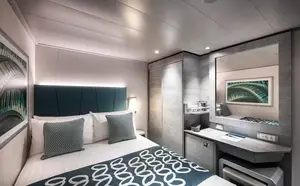
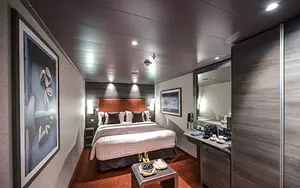
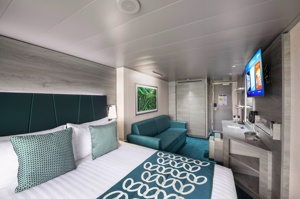
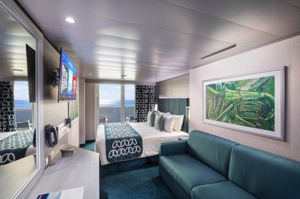
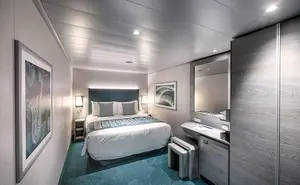
The comfort and elegance you need to enjoy your cruise.
Feature
Bathroom with shower, vanity area and hairdryer
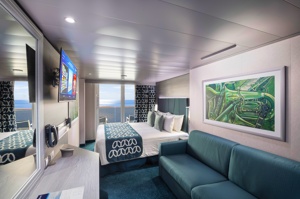
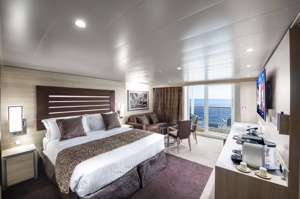
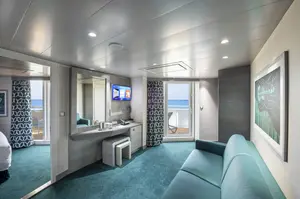
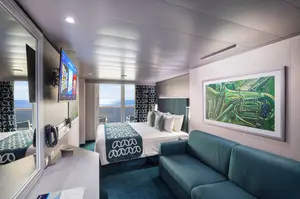
Relax and enjoy the sun and the sea breeze from the comfort of your private balcony.
Features
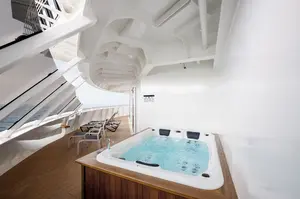
Enjoy a luxurious and unforgettable cruise with 24-Hour Butler service, dedicated concierge, Premium Extra Drink, Internet packages and a world of more privileges.
Features
Benefits
Relax and enjoy the sun and the sea breeze from the comfort of your private balcony.
Features
Benefits
Aurea Suites Exclusive Privileges in addition (For bookings from Feb 3rd 2025 , sailing from Jul 1st, 2025.):
Features
Enjoy a luxurious and unforgettable cruise with 24-Hour Butler service, dedicated concierge, Premium Extra Drink, Internet packages and a world of more privileges.
Features
Benefits
Enjoy a luxurious and unforgettable cruise with 24-Hour Butler service, dedicated concierge, Premium Extra Drink, Internet packages and a world of more privileges.
Features
Benefits
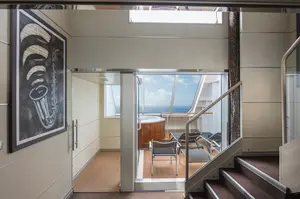
Enjoy a luxurious and unforgettable cruise with 24-Hour Butler service, dedicated concierge, Premium Extra Drink, Internet packages and a world of more privileges.
Features
Main level:
Second level
Benefits
The comfort and elegance you need to enjoy your cruise.
Feature
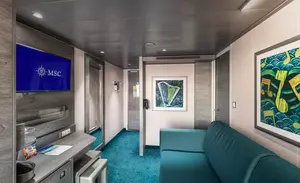
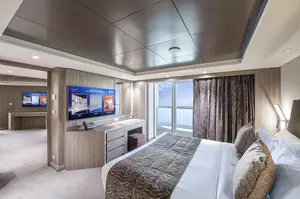
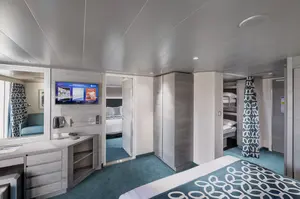
Make your cruise memorable enjoying an elegant suite with more living space, a large private balcony, and exclusive benefits.
Features
Benefits
Aurea Suites Exclusive Privileges in addition (For bookings from Feb 3rd 2025 , sailing from Jul 1st, 2025.):
Make your cruise memorable enjoying an elegant suite with more living space, a large private balcony, and exclusive benefits.
Features
Benefits
Aurea Suites Exclusive Privileges in addition (For bookings from Feb 3rd 2025 , sailing from Jul 1st, 2025.):
Relax and enjoy the sun and the sea breeze from the comfort of your private balcony.
Features
Bella experience available with guarantee cabins.
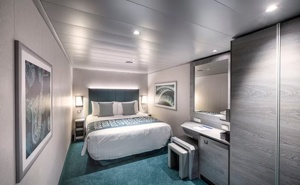
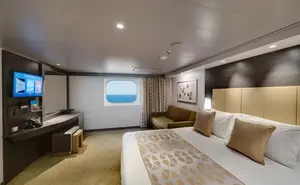
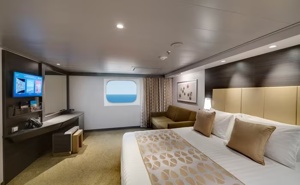
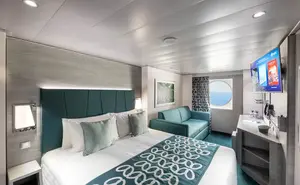
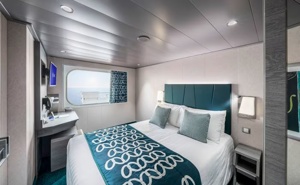
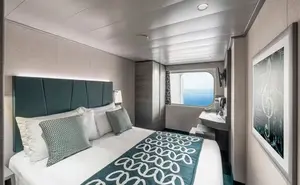
Enjoy the view of the Ocean from your comfortable and elegant cabin.
Feature
Make your cruise memorable enjoying an elegant suite with more living space, a large private balcony, and exclusive benefits.
Features
Benefits
Aurea Suites Exclusive Privileges in addition (For bookings from Feb 3rd 2025 , sailing from Jul 1st, 2025.):
Bella experience available with guarantee cabins.
Enjoy the view of the Ocean from your comfortable and elegant cabin.
Feature
Enjoy the view of the Ocean from your comfortable and elegant cabin.
Feature
Enjoy the view of the Ocean from your comfortable and elegant cabin.
Feature
Day 1 Santos, Brazil
Day 2 Buzios, Brazil
Around two hours from Rio de Janeiro, Búzios is a string of beautiful beaches on an 8-km-long (5-mile-long) peninsula. It was the quintessential sleepy fishing village until the 1960s, when the French actress Brigitte Bardot holidayed here to escape the paparazzi and the place almost instantly transformed into a vacation sensation. Búzios has something for everyone. Some hotels cater specifically to families and provide plenty of activities and around-the-clock child care. Many have spa facilities, and some specialize in weeklong retreats. For outdoor enthusiasts, Búzios offers surfing, windsurfing, kitesurfing, diving, hiking, and mountain biking, as well as leisurely rounds of golf.
Day 3 Cruising
Day 4 Salvador de Bahia, Brazil
According to Salvador's adopted son Jorge Amado, "In Salvador, magic becomes part of the every-day." From the shimmering golden light of sunset over the Baía do Todos os Santos, to the rhythmic beats that race along the streets, Salvador, while no longer Brazil's capital, remains one of its most captivating cities. A large dose of its exoticism comes down to its African heritage—at least 70% of its 2,675,000 population is classified as Afro-Brazilian—and how it has blended into Brazil's different strands, from the native Indians to the Christian colonizers. Salvadorans may tell you that you can visit a different church every day of the year, which is almost true—the city has about 300. Churches whose interiors are covered with gold leaf were financed by the riches of the Portuguese colonial era, when slaves masked their traditional religious beliefs under a thin Catholic veneer. And partly thanks to modern-day acceptance of those beliefs, Salvador has become the fount of Candomblé, a religion based on personal dialogue with the orixás, a family of African deities closely linked to nature and the Catholic saints. The influence of Salvador's African heritage on Brazilian music has also turned the city into one of the musical capitals of Brazil, resulting in a myriad of venues to enjoy live music across the city, along with international acclaim for exponents like Gilberto Gil, Caetano Veloso, and Daniela Mercury. Salvador's economy today is focused on telecommunications and tourism. The still-prevalent African culture draws many tourists—this is the best place in Brazil to hear African music, learn or watch African dance, and see capoeira, a martial art developed by slaves. In the district of Pelourinho, many colorful 18th- and 19th-century houses remain, part of the reason why this is the center of the tourist trade. Salvador sprawls across a peninsula surrounded by the Baía de Todos os Santos on one side and the Atlantic Ocean on the other. The city has about 50 km (31 miles) of coastline. The original city, referred to as the Centro Histórica (Historical Center), is divided into the Cidade Alta (Upper City), also called Pelourinho, and Cidade Baixa (Lower City). The Cidade Baixa is a commercial area—known as Comércio—that runs along the port and is the site of Salvador's indoor market, Mercado Modelo. You can move between the upper and lower cities on foot, via the landmark Elevador Lacerda, behind the market, or on the Plano Inclinado, a funicular lift, which connects Rua Guindaste dos Padres on Comércio with the alley behind Cathedral Basílica. From the Cidade Histórica you can travel north along the bay to the hilltop Igreja de Nosso Senhor do Bonfim. You can also head south to the point, guarded by the Forte Santo Antônio da Barra, where the bay waters meet those of the Atlantic. This area on Salvador's southern tip is home to the trendy neighborhoods of Barra, Ondina, and Rio Vermelho, with many museums, theaters, shops, and restaurants. Beaches along the Atlantic coast and north of Forte Santo Antônio da Barra are among the city's cleanest. Many are illuminated at night and have bars and restaurants that stay open late.
Day 5 Maceió, Brazil
Maceió, city, capital of Alagoas estado (state), northeastern Brazil. It is situated below low bluffs on a level strip of land between the Atlantic Ocean and the Norte (or Mundaú) Lagoon, a shallow body of water extending inward for several miles. Formerly called Macayo, the city dates from 1815, when a small settlement there was made a villa. In 1839 it became capital of Alagoas (then a provincia) and was given city status.
Day 1 Santos, Brazil
Day 2 Buzios, Brazil
Around two hours from Rio de Janeiro, Búzios is a string of beautiful beaches on an 8-km-long (5-mile-long) peninsula. It was the quintessential sleepy fishing village until the 1960s, when the French actress Brigitte Bardot holidayed here to escape the paparazzi and the place almost instantly transformed into a vacation sensation. Búzios has something for everyone. Some hotels cater specifically to families and provide plenty of activities and around-the-clock child care. Many have spa facilities, and some specialize in weeklong retreats. For outdoor enthusiasts, Búzios offers surfing, windsurfing, kitesurfing, diving, hiking, and mountain biking, as well as leisurely rounds of golf.
Day 3 Cruising
Day 4 Salvador de Bahia, Brazil
According to Salvador's adopted son Jorge Amado, "In Salvador, magic becomes part of the every-day." From the shimmering golden light of sunset over the Baía do Todos os Santos, to the rhythmic beats that race along the streets, Salvador, while no longer Brazil's capital, remains one of its most captivating cities. A large dose of its exoticism comes down to its African heritage—at least 70% of its 2,675,000 population is classified as Afro-Brazilian—and how it has blended into Brazil's different strands, from the native Indians to the Christian colonizers. Salvadorans may tell you that you can visit a different church every day of the year, which is almost true—the city has about 300. Churches whose interiors are covered with gold leaf were financed by the riches of the Portuguese colonial era, when slaves masked their traditional religious beliefs under a thin Catholic veneer. And partly thanks to modern-day acceptance of those beliefs, Salvador has become the fount of Candomblé, a religion based on personal dialogue with the orixás, a family of African deities closely linked to nature and the Catholic saints. The influence of Salvador's African heritage on Brazilian music has also turned the city into one of the musical capitals of Brazil, resulting in a myriad of venues to enjoy live music across the city, along with international acclaim for exponents like Gilberto Gil, Caetano Veloso, and Daniela Mercury. Salvador's economy today is focused on telecommunications and tourism. The still-prevalent African culture draws many tourists—this is the best place in Brazil to hear African music, learn or watch African dance, and see capoeira, a martial art developed by slaves. In the district of Pelourinho, many colorful 18th- and 19th-century houses remain, part of the reason why this is the center of the tourist trade. Salvador sprawls across a peninsula surrounded by the Baía de Todos os Santos on one side and the Atlantic Ocean on the other. The city has about 50 km (31 miles) of coastline. The original city, referred to as the Centro Histórica (Historical Center), is divided into the Cidade Alta (Upper City), also called Pelourinho, and Cidade Baixa (Lower City). The Cidade Baixa is a commercial area—known as Comércio—that runs along the port and is the site of Salvador's indoor market, Mercado Modelo. You can move between the upper and lower cities on foot, via the landmark Elevador Lacerda, behind the market, or on the Plano Inclinado, a funicular lift, which connects Rua Guindaste dos Padres on Comércio with the alley behind Cathedral Basílica. From the Cidade Histórica you can travel north along the bay to the hilltop Igreja de Nosso Senhor do Bonfim. You can also head south to the point, guarded by the Forte Santo Antônio da Barra, where the bay waters meet those of the Atlantic. This area on Salvador's southern tip is home to the trendy neighborhoods of Barra, Ondina, and Rio Vermelho, with many museums, theaters, shops, and restaurants. Beaches along the Atlantic coast and north of Forte Santo Antônio da Barra are among the city's cleanest. Many are illuminated at night and have bars and restaurants that stay open late.
Day 5 Maceió, Brazil
Maceió, city, capital of Alagoas estado (state), northeastern Brazil. It is situated below low bluffs on a level strip of land between the Atlantic Ocean and the Norte (or Mundaú) Lagoon, a shallow body of water extending inward for several miles. Formerly called Macayo, the city dates from 1815, when a small settlement there was made a villa. In 1839 it became capital of Alagoas (then a provincia) and was given city status.

The Department of Foreign Affairs has up-to-date advice for Irish citizens on staying safe and healthy abroad. For more security, local laws, health, passport and visa information see https://www.ireland.ie/en/dfa/overseas-travel/ and follow dfatravelwise